
Velma Jones, LCSW
New York · 29 yrs exp
Works with Stress, Anxiety / Relationship / Trauma and abuse +11
Works by Attachment-Based Therapy / Client-Centered Therapy
View ProfileThe therapist listings are provided by BetterHelp and we will earn a commission if you use our link - at no cost to you.
Find licensed LCSW clinicians who list addictions as a focus area across the United States. Each profile highlights credentials, focus areas, approaches, languages and professional experience to help you explore options. Browse the listings below to review LCSWs who work with addictions and learn more about how they practice.
New York · 29 yrs exp
Works with Stress, Anxiety / Relationship / Trauma and abuse +11
Works by Attachment-Based Therapy / Client-Centered Therapy
View Profile
Louisiana · 15 yrs exp
Works with Stress, Anxiety / Relationship / Family +13
Works by Acceptance and Commitment Therapy (ACT) / Attachment-Based Therapy
View Profile
Colorado · 19 yrs exp · 2 languages
Works with Stress, Anxiety / Relationship / Trauma and abuse +13
Works by Somatic Therapy / Acceptance and Commitment Therapy (ACT)
View Profile
Texas · 13 yrs exp
Works with Stress, Anxiety / Relationship / Trauma and abuse +12
Works by Attachment-Based Therapy / Client-Centered Therapy
View Profile
New Jersey · 15 yrs exp
Works with Stress, Anxiety / Family / Trauma and abuse +11
Works by Cognitive Behavioral Therapy (CBT) / Psychodynamic Therapy
View Profile
New York · 24 yrs exp
Works with Stress, Anxiety / Relationship / Anger +13
Works by Client-Centered Therapy / Cognitive Behavioral Therapy (CBT)
View Profile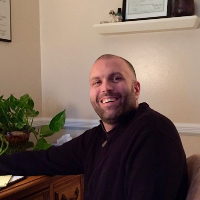
South Carolina · 14 yrs exp
Works with Stress, Anxiety / Parenting / Depression +15
Works by Client-Centered Therapy / Solution-Focused Therapy
View Profile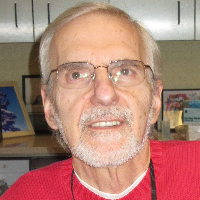
Illinois · 30 yrs exp
Works with Trauma and abuse / Grief / Self esteem +15
Works by Client-Centered Therapy / Cognitive Behavioral Therapy (CBT)
View Profile
New York · 25 yrs exp · 2 languages
Works with Stress, Anxiety / Addictions / Trauma and abuse +12
Works by Client-Centered Therapy / Cognitive Behavioral Therapy (CBT)
View Profile
Missouri · 16 yrs exp
Works with Stress, Anxiety / Trauma and abuse / Self esteem +13
Works by Client-Centered Therapy / Cognitive Behavioral Therapy (CBT)
View Profile
North Carolina · 10 yrs exp
Works with Stress, Anxiety / Relationship / Family +17
Works by Acceptance and Commitment Therapy (ACT) / Client-Centered Therapy
View Profile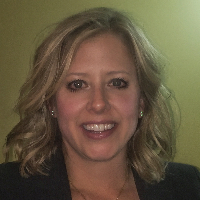
Kentucky · 10 yrs exp
Works with Stress, Anxiety / Family / Self esteem +13
Works by Acceptance and Commitment Therapy (ACT) / Client-Centered Therapy
View Profile
Florida · 10 yrs exp
Works with Stress, Anxiety / Addictions / Family +9
Works by Client-Centered Therapy / Cognitive Behavioral Therapy (CBT)
View Profile
Texas · 21 yrs exp
Works with Stress, Anxiety / Relationship / Trauma and abuse +16
Works by Acceptance and Commitment Therapy (ACT) / Client-Centered Therapy
View Profile
Delaware · 8 yrs exp
Works with Relationship / Family / Trauma and abuse +12
View Profile
New Jersey · 8 yrs exp
Works with Stress, Anxiety / Relationship / Trauma and abuse +15
Works by Acceptance and Commitment Therapy (ACT) / Attachment-Based Therapy
View Profile
Mississippi · 12 yrs exp
Works with Stress, Anxiety / Addictions / Anger +13
Works by Client-Centered Therapy / Cognitive Behavioral Therapy (CBT)
View Profile
Virginia · 31 yrs exp
Works with Stress, Anxiety / Relationship / Family +13
Works by Attachment-Based Therapy / Client-Centered Therapy
View Profile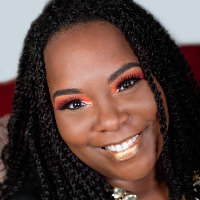
North Carolina · 30 yrs exp
Works with LGBT / Relationship / Family +14
Works by Acceptance and Commitment Therapy (ACT) / Attachment-Based Therapy
View Profile
Georgia · 25 yrs exp
Works with Stress, Anxiety / Parenting / Anger +16
Works by Attachment-Based Therapy / Client-Centered Therapy
View Profile
North Carolina · 30 yrs exp
Works with Stress, Anxiety / Relationship / Family +11
Works by Client-Centered Therapy / Cognitive Behavioral Therapy (CBT)
View Profile
Florida · 14 yrs exp
Works with Stress, Anxiety / Trauma and abuse / Grief +14
Works by Cognitive Behavioral Therapy (CBT) / Dialectical Behavior Therapy (DBT)
View Profile
Texas · 20 yrs exp
Works with Stress, Anxiety / Addictions / Family +16
Works by Client-Centered Therapy / Cognitive Behavioral Therapy (CBT)
View Profile
Pennsylvania · 38 yrs exp
Works with Stress, Anxiety / Grief / Depression +8
Works by Client-Centered Therapy / Cognitive Behavioral Therapy (CBT)
View Profile
Virginia · 47 yrs exp
Works with Stress, Anxiety / Relationship / Grief +11
Works by Somatic Therapy / Acceptance and Commitment Therapy (ACT)
View Profile
Florida · 25 yrs exp
Works with Stress, Anxiety / Trauma and abuse / Parenting +15
Works by Client-Centered Therapy / Cognitive Behavioral Therapy (CBT)
View Profile
Florida · 10 yrs exp
Works with Stress, Anxiety / Trauma and abuse / Grief +13
Works by Client-Centered Therapy / Cognitive Behavioral Therapy (CBT)
View Profile
Michigan · 24 yrs exp
Works with Stress, Anxiety / Addictions / Relationship +2
Works by Client-Centered Therapy / Cognitive Behavioral Therapy (CBT)
View Profile
Alaska · 11 yrs exp
Works with Stress, Anxiety / Relationship / Family +10
Works by Client-Centered Therapy / Cognitive Behavioral Therapy (CBT)
View Profile
Arkansas · 44 yrs exp
Works with Stress, Anxiety / Trauma and abuse / Grief +17
Works by Acceptance and Commitment Therapy (ACT) / Client-Centered Therapy
View Profile
California · 20 yrs exp
Works with Stress, Anxiety / Relationship / Family +16
Works by Cognitive Behavioral Therapy (CBT) / Motivational Interviewing
View Profile
Missouri · 35 yrs exp
Works with Stress, Anxiety / Trauma and abuse / Anger +14
Works by Acceptance and Commitment Therapy (ACT) / Client-Centered Therapy
View Profile
North Carolina · 16 yrs exp
Works with Stress, Anxiety / Addictions / Trauma and abuse +14
Works by Acceptance and Commitment Therapy (ACT) / Client-Centered Therapy
View Profile
Texas · 5 yrs exp
Works with Stress, Anxiety / Relationship / Family +10
View Profile
Mississippi · 36 yrs exp
Works with Family / Parenting / Anger +12
Works by Acceptance and Commitment Therapy (ACT) / Attachment-Based Therapy
View Profile
Florida · 28 yrs exp · 3 languages
Works with Stress, Anxiety / Addictions / Trauma and abuse +14
Works by Acceptance and Commitment Therapy (ACT) / Attachment-Based Therapy
View Profile
Florida · 20 yrs exp
Works with Stress, Anxiety / Trauma and abuse / Grief +13
Works by Client-Centered Therapy / Cognitive Behavioral Therapy (CBT)
View Profile
New York · 14 yrs exp
Works with Stress, Anxiety / Relationship / Trauma and abuse +6
Works by Acceptance and Commitment Therapy (ACT) / Client-Centered Therapy
View Profile
Missouri · 25 yrs exp
Works with Stress, Anxiety / Addictions / Parenting +13
Works by Client-Centered Therapy / Cognitive Behavioral Therapy (CBT)
View Profile
Colorado · 15 yrs exp
Works with Stress, Anxiety / Grief / Depression +11
Works by Acceptance and Commitment Therapy (ACT) / Client-Centered Therapy
View Profile
Wyoming · 14 yrs exp
Works with Addictions / Relationship / Depression +12
Works by Client-Centered Therapy / Cognitive Behavioral Therapy (CBT)
View Profile
Texas · 6 yrs exp
Works with Addictions / Trauma and abuse / Parenting +7
Works by Acceptance and Commitment Therapy (ACT) / Client-Centered Therapy
View Profile
North Carolina · 8 yrs exp
Works with Stress, Anxiety / Trauma and abuse / Parenting +9
Works by Attachment-Based Therapy / Client-Centered Therapy
View Profile
New York · 25 yrs exp · 2 languages
Works with Stress, Anxiety / Grief / Anger +7
Works by Client-Centered Therapy / Cognitive Behavioral Therapy (CBT)
View Profile
Connecticut · 24 yrs exp
Works with Stress, Anxiety / Relationship / Grief +12
Works by Client-Centered Therapy / Cognitive Behavioral Therapy (CBT)
View Profile
Kentucky · 9 yrs exp
Works with Addictions / Relationship / Parenting +13
Works by Acceptance and Commitment Therapy (ACT) / Attachment-Based Therapy
View Profile
Illinois · 10 yrs exp
Works with Stress, Anxiety / Trauma and abuse / Grief +12
Works by Client-Centered Therapy / Cognitive Behavioral Therapy (CBT)
View Profile
Indiana · 12 yrs exp
Works with Stress, Anxiety / Addictions / Self esteem +12
Works by Client-Centered Therapy / Cognitive Behavioral Therapy (CBT)
View ProfileAddictions may involve substances, behaviors, or both, and they often show up in ways that go far beyond the activity itself. You may notice changes in relationships, work performance, housing stability, finances and overall mood. When someone develops a persistent pattern of using a substance or engaging in a behavior despite negative consequences, that pattern can reshape daily routines, priorities and identity. An LCSW approaches addictions by looking at the person-in-environment, which means your relationships, housing, work, community and access to services are considered alongside how you feel and think.
This wider lens matters because addictions do not occur in a vacuum. Structural factors like job stress, housing insecurity, trauma, social isolation and limited access to healthcare can contribute to risk and make recovery more complicated. You may be dealing with stigma or legal and financial fallout that affects your options. An LCSW’s training prepares them to assess those broader circumstances as part of a therapeutic plan, so interventions can address immediate safety and long-term supports that influence outcomes.
Recognizing when to seek help can feel uncertain, especially if patterns have developed over years. You might want to consider professional support if you experience repeated unsuccessful attempts to cut back or quit, increasing isolation from family or friends, declines in work or school performance, or if you find yourself spending more time or money on the behavior than you intend. Health problems, mood swings, impulsivity, legal issues related to use, or risky behaviors are also indicators that outside help could be useful.
Sometimes friends, family members or employers notice changes before you do. If loved ones express concern about safety, daily functioning or your emotional state, that feedback can be an important prompt to explore care. You do not need to have reached a crisis point to benefit from therapy. Early conversations with an LCSW can clarify goals, reduce harm and connect you with other resources, including medical, legal or peer-support options that are relevant to your situation.
When you first contact or read a profile for an LCSW who lists addictions among their focus areas, anticipate an initial assessment that explores both your clinical history and your life context. That assessment typically covers patterns of use, prior attempts to change, co-occurring mental health concerns, relationships, housing, work and access to medical care. An LCSW will often ask about safety and risk so that immediate needs are addressed. From there you and the clinician work on shared goals that might include reducing harm, stabilizing daily life, addressing trauma or strengthening supports.
Sessions may combine therapeutic conversation, skills practice and problem-solving about practical barriers such as transportation or coordination with medical providers. An LCSW may help you develop a relapse prevention plan, identify triggers and build coping strategies tailored to your circumstances. Family or partner involvement is often part of the work when appropriate, since addiction affects systems around you. While therapy does not guarantee a specific outcome, it can give you structured time to change patterns, build supports and address underlying issues that contribute to use.
Many LCSWs describe a range of approaches on their profiles. When you read that a therapist lists Cognitive Behavioral Therapy, Motivational Interviewing, trauma-informed care or family systems among their approaches, understand those entries as indications of a style or focus they use with clients rather than a formal certification on the profile. Cognitive Behavioral approaches tend to emphasize the links between thoughts, feelings and behaviors and can help you identify and change patterns that maintain use. Motivational Interviewing is often used early on to help resolve ambivalence and strengthen motivation for change.
Trauma-informed language indicates that the clinician considers past trauma in assessment and treatment planning, recognizing how traumatic experiences can influence coping behaviors. Family systems-oriented approaches involve exploring relationships and communication patterns that contribute to or support recovery. You may also see approaches that emphasize relapse prevention, harm-reduction strategies or work that integrates coordination with medical and peer resources. If you want more detail about how a therapist adapts an approach, profiles typically list languages spoken, years of experience and areas of focus so you can find clinicians whose descriptions align with your needs.
Online sessions can expand access to LCSW clinicians, especially if you live in an area with few in-person options or have constraints around transportation and scheduling. When therapy is delivered remotely, video and phone sessions are commonly used to replicate the conversational work of in-person meetings. You should expect the clinician to explain how they handle documentation, coordinate with other providers when needed, and determine what services are permitted under your state licensing rules. Telehealth rules vary by state, so clinicians will follow the regulations that apply where they hold their license and where you are located during sessions.
Remote work can be effective for many aspects of addictions care, including assessment, motivational work, relapse prevention planning and family sessions when loved ones join from different locations. Some elements of care, such as medication management or acute medical needs, require coordination with medical professionals. If you pursue online therapy, think about a quiet, uninterrupted spot for sessions and consider how you will handle any technical and scheduling issues that come up.
When you review LCSW profiles, focus on fit as well as credentials. Look for clinicians who list addictions as a focus area and read how they describe their work with related issues such as trauma, mood disorders or relationship concerns. Notice languages spoken, years of clinical experience, and whether they highlight work with specific populations that matter to you, such as young adults, parents, veterans or people navigating the legal system. The person-in-environment perspective of social work means some LCSWs emphasize practical supports like housing, employment and community resources in addition to therapy, which may be important depending on your needs.
Consider the practical questions you have about approach and coordination. If a therapist’s profile mentions approaches you prefer, such as motivational interviewing or family-involved work, that can help you narrow choices. It is reasonable to expect clear information about credentials and licensure state on a profile; these details indicate the clinician meets the regulatory requirements for practice in that state. Ultimately, the right fit often comes down to whether you feel heard and understood in early conversations, and whether the clinician’s focus areas match the complexity of your situation.
Searching for an LCSW who focuses on addictions is a step toward addressing behaviors that affect your life. By prioritizing therapists who describe an integrated, person-in-environment perspective, you can find clinicians who pay attention to both internal struggles and external circumstances that shape recovery. Use the listings below to explore profiles, read how individual LCSWs describe their work, and gather the information you need to take the next step.
Alabama
26 therapists
Alaska
19 therapists
Arizona
115 therapists
Arkansas
68 therapists
California
989 therapists
Colorado
177 therapists
Connecticut
133 therapists
Delaware
42 therapists
District of Columbia
8 therapists
Florida
982 therapists
Georgia
268 therapists
Hawaii
39 therapists
Idaho
50 therapists
Illinois
450 therapists
Indiana
247 therapists
Iowa
9 therapists
Kansas
33 therapists
Kentucky
166 therapists
Louisiana
165 therapists
Maine
66 therapists
Maryland
29 therapists
Massachusetts
17 therapists
Michigan
43 therapists
Minnesota
16 therapists
Mississippi
86 therapists
Missouri
188 therapists
Montana
62 therapists
Nebraska
2 therapists
Nevada
71 therapists
New Hampshire
24 therapists
New Jersey
300 therapists
New Mexico
69 therapists
New York
659 therapists
North Carolina
441 therapists
North Dakota
12 therapists
Ohio
39 therapists
Oklahoma
87 therapists
Oregon
78 therapists
Pennsylvania
272 therapists
Rhode Island
4 therapists
South Carolina
45 therapists
South Dakota
2 therapists
Tennessee
134 therapists
Texas
617 therapists
Utah
121 therapists
Vermont
3 therapists
Virginia
232 therapists
Washington
20 therapists
West Virginia
9 therapists
Wisconsin
161 therapists
Wyoming
22 therapists