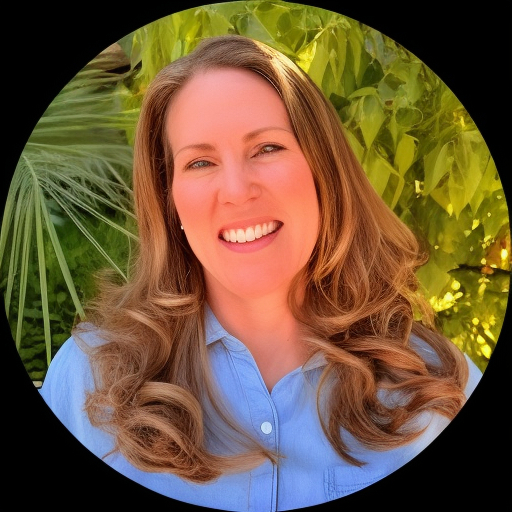
About Katherine
Katherine Meyers is a Licensed Clinical Social Worker who helps people facing stress, anxiety, depression, trauma, and questions about sexual or gender identity. She focuses on practical steps that reduce overwhelm and build steadiness. Katherine writes and talks plainly so people can understand what to expect from sessions.
Katherine brings four years of clinical experience and centers her work on respect and human dignity. She aims to create a calm space where people can talk about hard things and try small changes that feel doable.
Background and approach
Her practice pays attention to how trauma, identity, and life stress interact. She uses evidence-based therapeutic techniques alongside a person-centered attitude. Sessions are collaborative - Katherine and the client decide what tools to try and what goals feel most meaningful.
She pays particular attention to attachment and communication patterns that can keep problems repeating. Her additional focus areas include body image, caregiver stress, chronic illness and pain, blended family concerns, and relationship issues like commitment and control. She also addresses topics related to BDSM, kink, and alternative sex culture from a nonjudgmental standpoint.
Katherine holds LCSW licensure in New York and Nevada and offers work in English. She aims to meet people where they are and tailor pacing to each person’s needs.
How evidence-based approaches translate to online care
Evidence-based therapeutic techniques Katherine uses focus on practical skills and understanding patterns. One common approach involves working on thoughts and behaviors to reduce worry and low mood; this looks like identifying unhelpful thinking and trying new responses to test what helps. Another approach concentrates on attachment and relationship patterns, helping people notice how past connections shape current reactions and learning safer ways to communicate. Finding the right approach is part of the work. Katherine treats therapy as a collaboration and will help figure out which techniques match a person’s goals, needs, and preferences. Together they set goals and adjust methods over time so sessions stay useful and relevant. Online sessions are offered by video calls, phone, live chat, or text-based messaging to make care fit a busy life. Video is useful for full conversational sessions and visual cues. Phone sessions can be easier when bandwidth is limited or when someone prefers no camera. Live chat and messaging allow brief check-ins, written reflections, or shorter touchpoints between longer sessions. These options make it easier to include therapy around work, caregiving, and other responsibilities, while letting therapists and clients choose the format that best supports progress.Frequently asked questions
What concerns does Katherine address?
What is Katherine's style in sessions?
What background does she have?
What credentials and location apply?
Which languages are supported?
What session formats are available?
How does payment and cost work?
How do I begin therapy with Katherine?
Specialties and expertise
Top specialties
Also works with
- Abandonment
- Aging and geriatric issues
- Antisocial personality
- Attachment issues
- Avoidant personality
- BDSM, kink, and alternative sex culture
- Blended family issues
- Body image
- Caregiver issues and stress
- Chronic pain, illness, and disability
- Co-morbidity
- Codependency
- Commitment issues
- Communication problems
- Control issues
- Coping with natural or human-caused disaster
- Dependent personality
- Depression
- Dissociation
- Drug and alcohol addiction
- Eating and food-related issues
- Emptiness
- Family of origin issues
- Family problems
- Fatherhood issues
- First responder issues
- Forgiveness
- Gender dysphoria
- Guilt and shame
- HIV / AIDS
- Hoarding
- Hospice and end-of-life counseling
- Impulsivity
- Infidelity
- Isolation / loneliness
- Jealousy
- Life purpose
- Men's issues
- Midlife crisis
- Mood disorders
- Multicultural concerns
- Narcissism
- Obsessions, compulsions, and OCD
- Panic disorder and panic attacks
- Paranoia
- Personality disorders
- Phobias
- Polyamory / non-monogamous relationships
- Post-traumatic stress
- Prejudice and discrimination
- Seasonal Affective Disorder (SAD)
- Self esteem
- Self-harm
- Self-love
- Sex addiction
- Sexual assault and abuse
- Sexual dysfunction
- Sexuality
- Smoking / vaping cessation
- Social anxiety and phobia
- Somatization
- Veteran and Armed Forces Issues
- Women's issues
- Workplace issues
- Young adult issues
- Experience
- 4 years
- Licensed
- New York, Nevada
- Languages
- English