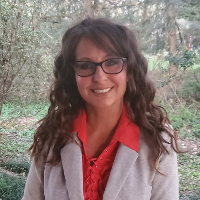
About Christina
Christina LaBond is a clinical social worker who uses practical, skills-based therapy to help people face anxiety, grief, relationship strain, and trauma. She brings eight years of outpatient experience and a calm, straightforward style to sessions. Christina works from North Carolina and conducts sessions in English.
Christina focuses on building coping skills and noticing personal strengths. She often uses Cognitive Behavioral Therapy and borrows tools from Dialectical Behavior Therapy and Acceptance and Commitment Therapy to help people manage strong emotions and reshape unhelpful thoughts.
Background and approach
Sessions tend to be action-oriented and geared toward everyday life changes. Her history includes work in community mental health, primary care settings, clinics, and court-related guardianship work. Christina has led psychoeducational groups on topics like trauma, depression, anxiety, psychosis, and co-occurring substance use and mental health concerns.
That range gives her experience with practical problem solving across different situations. She describes her approach as trauma-informed and strengths-based. In practice that means paying attention to how past hurt affects trust, relationships, and self-worth now.
Christina aims to help people recognize patterns, learn new ways to cope, and set reachable goals. Christina earned her master’s degree from the University of Southern California and holds a North Carolina LCSW license. She frames therapy as a collaborative process and supports people as they try new strategies and make gradual changes.
How therapeutic approaches translate to online care
Acceptance and Commitment Therapy, or ACT, focuses on noticing thoughts and values and taking small actions toward a meaningful life. It can help when worry, low mood, or avoidance get in the way of daily goals. Cognitive Behavioral Therapy, or CBT, helps people spot unhelpful thinking and try new behaviors to reduce anxiety and depression. It is useful for everyday problems like sleep trouble, panic, and negative self-talk. Attachment-Based Therapy looks at how early relationships affect present patterns and can help improve trust, intimacy, and communication in current relationships.Choosing the right approach is a team effort. The therapist will talk with the person about needs, goals, and preferences, then try methods that fit those priorities. If one way isn’t helping, adjustments are made so sessions remain focused and practical.
Online sessions offer flexibility and different ways to connect. Video calls let people work face to face when scheduling allows. Phone sessions can be easier when bandwidth is limited or when a shorter check-in is needed. Live chat or text messaging provide brief, ongoing support and let people use skills between sessions. These options make therapy easier to fit around work, caregiving, or other daily demands while keeping treatment goal-oriented and skills-based.
Frequently asked questions
What concerns does Christina commonly address?
What is her therapy style like?
What kind of experience does she have?
Where is she licensed and based?
Which languages are supported in sessions?
Can international clients work with her?
What session formats are available?
How does the cost and signup process work?
Specialties and expertise
Top specialties
- Stress, Anxiety
- LGBT
- Relationship issues
Also works with
- Abandonment
- Addictions
- Aging and geriatric issues
- Anger management
- Antisocial personality
- Attachment issues
- Avoidant personality
- BDSM, kink, and alternative sex culture
- Bipolar disorder
- Blended family issues
- Body image
- Cancer
- Caregiver issues and stress
- Chronic pain, illness, and disability
- Co-morbidity
- Codependency
- Commitment issues
- Communication problems
- Control issues
- Coping with life changes
- Coping with natural or human-caused disaster
- Dependent personality
- Depression
- Disruptive Mood Dysregulation Disorder (DMDD)
- Dissociation
- Divorce and separation
- Domestic violence
- Drug and alcohol addiction
- Emptiness
- Family conflicts
- Family of origin issues
- Family problems
- Fatherhood issues
- Forgiveness
- Gender dysphoria
- Grief
- Guilt and shame
- HIV / AIDS
- Hoarding
- Impulsivity
- Infidelity
- Intimacy-related issues
- Isolation / loneliness
- Jealousy
- Life purpose
- Midlife crisis
- Money and financial issues
- Mood disorders
- Multicultural concerns
- Narcissism
- Obsessions, compulsions, and OCD
- Panic disorder and panic attacks
- Paranoia
- Personality disorders
- Phobias
- Polyamory / non-monogamous relationships
- Post-traumatic stress
- Postpartum depression
- Pregnancy and childbirth
- Prejudice and discrimination
- Process addiction (porn, exercise, gambling)
- Seasonal Affective Disorder (SAD)
- Self esteem
- Self-harm
- Self-love
- Sex addiction
- Sexual assault and abuse
- Sexual dysfunction
- Sexuality
- Sleeping disorders
- Smoking / vaping cessation
- Social anxiety and phobia
- Somatization
- Trauma and abuse
- Trichotillomania
- Veteran and Armed Forces Issues
- Women's issues
- Workplace issues
- Young adult issues
Therapeutic approaches
- Acceptance and Commitment Therapy (ACT)
- Attachment-Based Therapy
- Client-Centered Therapy
- Cognitive Behavioral Therapy (CBT)
- Dialectical Behavior Therapy (DBT)
- Emotionally-Focused Therapy (EFT)
- Existential Therapy
- Gottman Method
- Mindfulness Therapy
- Motivational Interviewing
- Narrative Therapy
- Solution-Focused Therapy
- Somatic Therapy
- Trauma-Focused Therapy
- Internal Family Systems
- Experience
- 8 years
- Licensed
- North Carolina
- Languages
- English