
Deborah Youngblood, LCSW
Louisiana · 15 yrs exp
Works with Stress, Anxiety / Relationship / Family +13
Works by Acceptance and Commitment Therapy (ACT) / Attachment-Based Therapy
View ProfileThe therapist listings are provided by BetterHelp and we will earn a commission if you use our link - at no cost to you.
This page lists licensed clinical social workers (LCSWs) who focus on compassion fatigue and related caregiver stress. Read short profiles to learn about their focus areas, approaches, languages, and experience. Browse the listings below to start narrowing your search for an LCSW who fits your needs.
Louisiana · 15 yrs exp
Works with Stress, Anxiety / Relationship / Family +13
Works by Acceptance and Commitment Therapy (ACT) / Attachment-Based Therapy
View Profile
Texas · 13 yrs exp
Works with Stress, Anxiety / Relationship / Trauma and abuse +12
Works by Attachment-Based Therapy / Client-Centered Therapy
View Profile
North Carolina · 21 yrs exp
Works with Stress, Anxiety / Grief / Eating +13
Works by Acceptance and Commitment Therapy (ACT) / Client-Centered Therapy
View Profile
Oregon · 26 yrs exp
Works with Stress, Anxiety / Trauma and abuse / Grief +11
Works by Somatic Therapy / Acceptance and Commitment Therapy (ACT)
View Profile
South Carolina · 14 yrs exp
Works with Stress, Anxiety / Parenting / Depression +15
Works by Client-Centered Therapy / Solution-Focused Therapy
View Profile
Illinois · 30 yrs exp
Works with Trauma and abuse / Grief / Self esteem +15
Works by Client-Centered Therapy / Cognitive Behavioral Therapy (CBT)
View Profile
New York · 25 yrs exp · 2 languages
Works with Stress, Anxiety / Addictions / Trauma and abuse +12
Works by Client-Centered Therapy / Cognitive Behavioral Therapy (CBT)
View Profile
Missouri · 16 yrs exp
Works with Stress, Anxiety / Trauma and abuse / Self esteem +13
Works by Client-Centered Therapy / Cognitive Behavioral Therapy (CBT)
View Profile
North Carolina · 10 yrs exp
Works with Stress, Anxiety / Relationship / Family +17
Works by Acceptance and Commitment Therapy (ACT) / Client-Centered Therapy
View Profile
New York · 35 yrs exp
Works with Stress, Anxiety / Self esteem / Career +11
Works by Client-Centered Therapy / Mindfulness Therapy
View Profile
Kentucky · 10 yrs exp
Works with Stress, Anxiety / Family / Self esteem +13
Works by Acceptance and Commitment Therapy (ACT) / Client-Centered Therapy
View Profile
Mississippi · 23 yrs exp
Works with Stress, Anxiety / Grief / Anger +9
Works by Cognitive Behavioral Therapy (CBT) / Mindfulness Therapy
View Profile
New Jersey · 22 yrs exp
Works with Stress, Anxiety / LGBT / Relationship +11
Works by Acceptance and Commitment Therapy (ACT) / Attachment-Based Therapy
View Profile
Texas · 21 yrs exp
Works with Stress, Anxiety / Relationship / Trauma and abuse +16
Works by Acceptance and Commitment Therapy (ACT) / Client-Centered Therapy
View Profile
Illinois · 12 yrs exp
Works with Stress, Anxiety / Trauma and abuse / Parenting +13
Works by Client-Centered Therapy / Cognitive Behavioral Therapy (CBT)
View Profile
Delaware · 8 yrs exp
Works with Relationship / Family / Trauma and abuse +12
View Profile
New Jersey · 8 yrs exp
Works with Stress, Anxiety / Relationship / Trauma and abuse +15
Works by Acceptance and Commitment Therapy (ACT) / Attachment-Based Therapy
View Profile
Louisiana · 14 yrs exp
Works with Stress, Anxiety / Anger / Self esteem +10
View Profile
Tennessee · 35 yrs exp
Works with Stress, Anxiety / Grief / Self esteem +9
Works by Acceptance and Commitment Therapy (ACT) / Client-Centered Therapy
View Profile
Virginia · 31 yrs exp
Works with Stress, Anxiety / Relationship / Family +13
Works by Attachment-Based Therapy / Client-Centered Therapy
View Profile
North Carolina · 30 yrs exp
Works with LGBT / Relationship / Family +14
Works by Acceptance and Commitment Therapy (ACT) / Attachment-Based Therapy
View Profile
Georgia · 25 yrs exp
Works with Stress, Anxiety / Parenting / Anger +16
Works by Attachment-Based Therapy / Client-Centered Therapy
View Profile
Florida · 14 yrs exp
Works with Stress, Anxiety / Trauma and abuse / Grief +14
Works by Cognitive Behavioral Therapy (CBT) / Dialectical Behavior Therapy (DBT)
View Profile
Texas · 20 yrs exp
Works with Stress, Anxiety / Addictions / Family +16
Works by Client-Centered Therapy / Cognitive Behavioral Therapy (CBT)
View Profile
Pennsylvania · 38 yrs exp
Works with Stress, Anxiety / Grief / Depression +8
Works by Client-Centered Therapy / Cognitive Behavioral Therapy (CBT)
View Profile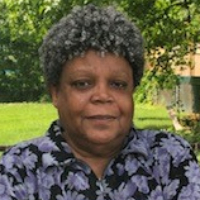
Virginia · 47 yrs exp
Works with Stress, Anxiety / Relationship / Grief +11
Works by Somatic Therapy / Acceptance and Commitment Therapy (ACT)
View Profile
Florida · 25 yrs exp
Works with Stress, Anxiety / Trauma and abuse / Parenting +15
Works by Client-Centered Therapy / Cognitive Behavioral Therapy (CBT)
View Profile
Florida · 10 yrs exp
Works with Stress, Anxiety / Trauma and abuse / Grief +13
Works by Client-Centered Therapy / Cognitive Behavioral Therapy (CBT)
View Profile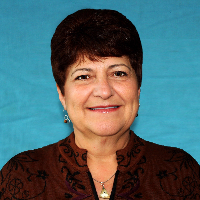
Alaska · 11 yrs exp
Works with Stress, Anxiety / Relationship / Family +10
Works by Client-Centered Therapy / Cognitive Behavioral Therapy (CBT)
View Profile
Arkansas · 44 yrs exp
Works with Stress, Anxiety / Trauma and abuse / Grief +17
Works by Acceptance and Commitment Therapy (ACT) / Client-Centered Therapy
View Profile
California · 20 yrs exp
Works with Stress, Anxiety / Relationship / Family +16
Works by Cognitive Behavioral Therapy (CBT) / Motivational Interviewing
View Profile
North Carolina · 16 yrs exp
Works with Stress, Anxiety / Addictions / Trauma and abuse +14
Works by Acceptance and Commitment Therapy (ACT) / Client-Centered Therapy
View Profile
Mississippi · 36 yrs exp
Works with Family / Parenting / Anger +12
Works by Acceptance and Commitment Therapy (ACT) / Attachment-Based Therapy
View Profile
Florida · 28 yrs exp · 3 languages
Works with Stress, Anxiety / Addictions / Trauma and abuse +14
Works by Acceptance and Commitment Therapy (ACT) / Attachment-Based Therapy
View Profile
Florida · 20 yrs exp
Works with Stress, Anxiety / Trauma and abuse / Grief +13
Works by Client-Centered Therapy / Cognitive Behavioral Therapy (CBT)
View Profile
Missouri · 25 yrs exp
Works with Stress, Anxiety / Addictions / Parenting +13
Works by Client-Centered Therapy / Cognitive Behavioral Therapy (CBT)
View Profile
Wyoming · 14 yrs exp
Works with Addictions / Relationship / Depression +12
Works by Client-Centered Therapy / Cognitive Behavioral Therapy (CBT)
View Profile
New York · 25 yrs exp · 2 languages
Works with Stress, Anxiety / Grief / Anger +7
Works by Client-Centered Therapy / Cognitive Behavioral Therapy (CBT)
View Profile
Connecticut · 24 yrs exp
Works with Stress, Anxiety / Relationship / Grief +12
Works by Client-Centered Therapy / Cognitive Behavioral Therapy (CBT)
View Profile
Kentucky · 9 yrs exp
Works with Addictions / Relationship / Parenting +13
Works by Acceptance and Commitment Therapy (ACT) / Attachment-Based Therapy
View Profile
Illinois · 10 yrs exp
Works with Stress, Anxiety / Trauma and abuse / Grief +12
Works by Client-Centered Therapy / Cognitive Behavioral Therapy (CBT)
View Profile
Indiana · 12 yrs exp
Works with Stress, Anxiety / Addictions / Self esteem +12
Works by Client-Centered Therapy / Cognitive Behavioral Therapy (CBT)
View Profile
Texas · 11 yrs exp
Works with Stress, Anxiety / Relationship / Trauma and abuse +6
Works by Acceptance and Commitment Therapy (ACT) / Client-Centered Therapy
View Profile
Florida · 20 yrs exp
Works with Stress, Anxiety / Trauma and abuse / Grief +10
Works by Cognitive Behavioral Therapy (CBT) / Motivational Interviewing
View Profile
Florida · 40 yrs exp
Works with Addictions / Relationship / Grief +14
Works by Cognitive Behavioral Therapy (CBT) / Psychodynamic Therapy
View Profile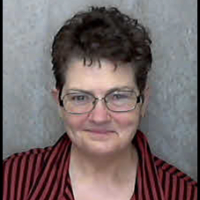
Texas · 35 yrs exp
Works with Stress, Anxiety / Relationship / Family +15
Works by Attachment-Based Therapy / Client-Centered Therapy
View Profile
Wisconsin · 18 yrs exp
Works with Stress, Anxiety / Parenting / Self esteem +12
Works by Client-Centered Therapy / Cognitive Behavioral Therapy (CBT)
View Profile
California · 22 yrs exp
Works with Stress, Anxiety / Self esteem / Depression +3
Works by Client-Centered Therapy / Cognitive Behavioral Therapy (CBT)
View ProfileCompassion fatigue describes the emotional and physical toll that can come from extended exposure to others' suffering, especially when you are in a caregiving or helping role. If you work in health care, social services, emergency response, education, or any role that requires sustained emotional engagement, you may notice changes in how you feel about your work and the people you help. Those changes can include numbing, emotional exhaustion, increased irritability, a sense of dread around work tasks, or difficulty recovering after challenging shifts. Compassion fatigue develops over time and is shaped by the intensity and frequency of your exposure to stress, the resources you have, and the supports in your personal and professional life.
One reason people seek care from an LCSW for compassion fatigue is that social work training emphasizes the person-in-environment perspective. An LCSW will look at your internal emotional experience alongside external factors such as workload, team dynamics, family responsibilities, housing, financial stress, and access to community supports. That broader lens helps you identify not only personal coping strategies but also environmental or organizational changes that could reduce ongoing strain.
You might be considering professional support if you find that stress from helping others is beginning to affect daily functioning, relationships, or satisfaction with work. Common early signs include persistent tiredness that does not improve with rest, a decline in empathy or feeling detached from people you used to connect with easily, increased cynicism, intrusive thoughts about difficult cases, or a growing sense of overwhelm when thinking about going to work. Some people notice physical symptoms such as headaches, sleep disturbances, or changes in appetite. You may also feel guilty about struggling, which can make it harder to reach out for help.
It can be useful to distinguish compassion fatigue from related experiences like burnout or secondary traumatic stress. Burnout often involves long-term workplace dissatisfaction and may have a strong organizational component. Secondary traumatic stress refers to trauma symptoms that arise from exposure to others' traumatic material. Compassion fatigue overlaps with both of these experiences, and an LCSW can help you understand which elements are most prominent in your situation so you can address them effectively.
If you decide to work with an LCSW, sessions typically start with an assessment of your current challenges and the contexts that contribute to them. You and the LCSW will review your work environment, typical stressors, coping strategies you already use, supports in your life, and any physical symptoms you are experiencing. The initial conversations aim to form a collaborative plan rather than prescribe a one-size-fits-all fix. Because of the person-in-environment orientation of social work, your plan may include both individual coping strategies and practical steps for changing environmental stressors.
Ongoing sessions often combine practical skill-building with reflective work. You may practice setting clearer boundaries, developing emotional regulation skills, improving sleep and self-care routines, or learning ways to decompress after work. You might also explore changes you can advocate for at work, such as peer support structures, adjustments to role expectations, or more predictable scheduling. An LCSW can help you translate self-care into feasible actions that fit your life and role, and can offer guidance on navigating workplace conversations or union and agency processes if organizational change is part of the solution.
Part of early work may include safety planning if stress has reached a level where you are having persistent intrusive thoughts or struggling with day-to-day functioning. An LCSW will discuss immediate coping strategies and help you identify sources of support. This practical orientation emphasizes creating manageable steps you can take between sessions and connecting you with community resources when needed.
Profiles for LCSWs often list a variety of approaches that the clinician uses in their practice. You may see cognitive-behavioral interventions, mindfulness-based strategies, trauma-informed care, narrative work, and somatic techniques among the approaches that LCSWs mention. It is important to remember that a listed approach is not the same as a licensed certification in that method. When you review profiles, note the approaches that resonate with you and prepare to ask about how those approaches are used in sessions.
Because compassion fatigue touches both emotional and practical domains, LCSWs frequently blend skills training with systemic thinking. That might mean working on thought patterns that increase distress while simultaneously identifying workplace or caregiving adjustments that reduce ongoing exposure to stress. If you are interested in trauma-specific strategies, you will commonly find therapists who list trauma-informed care among their approaches. If spiritual or meaning-centered work matters to you, some LCSWs list narrative or meaning-focused approaches that address values and purpose in caregiving roles.
Online sessions with an LCSW can make it easier to fit support into a busy schedule, especially when shift work or long commutes are part of your life. Remote sessions are usually conducted by video or phone, and some LCSWs also offer messaging options for brief check-ins. When you consider remote care, think about the environment where you will join sessions - a quiet, uninterrupted space helps you get the most from your time. Technology requirements are typically straightforward: a stable internet connection, a device with a camera for video sessions, and a personal place to talk where you feel comfortable.
Because LCSW licensing is handled by individual state boards, rules about where an LCSW can provide remote services vary by state. That means an LCSW's scope to work across state lines depends on state regulations. If you are planning to use online sessions, it is reasonable to ask how the clinician navigates licensure and state rules as they relate to telehealth. Many LCSWs have experience providing remote care to people in similar roles and can describe how they structure online sessions to support emotional recovery and workable coping strategies.
When you look through profiles, pay attention to the populations and focus areas an LCSW lists. Some LCSWs emphasize work with first responders, health care staff, or family caregivers. Others highlight work with trauma, grief, or organizational stress. Think about which descriptors align with your experience and what matters most in a helping relationship, such as an emphasis on practical skills, reflective processing, or advocacy and systems work. Also note languages spoken and any experience with specific communities if cultural fit or communication is important to you.
Review an LCSW's educational and licensing information to understand their background. An LCSW has a master’s degree in social work, completed a state-set period of supervised post-graduate clinical experience - commonly around two to three years and several thousand hours - and has passed a clinical licensing examination. Licenses are issued and renewed by individual state boards, and scope of practice and title vary by state. These facts help you evaluate professional qualifications while remembering that therapeutic fit also includes rapport, approach, and shared goals.
When you prepare to connect with an LCSW, consider questions about how they approach compassion fatigue, what kinds of goals they set with clients, and how they balance practical coping with longer-term work on meaning and boundaries. Ask about typical session structure and how they coordinate with other supports in your life, such as occupational health services or employee assistance programs, if that is relevant. Taking time to match a clinician’s focus and style with your needs increases the likelihood that you will find useful and sustainable strategies for managing compassion fatigue.
Working with an LCSW can help you regain emotional balance, clarify what changes are possible in your environment, and build coping strategies that fit your life. Whether you prefer in-person or online sessions, choosing someone who understands the interplay between your internal experience and your external circumstances can make a meaningful difference in how you recover and sustain your work in helping roles.
Alabama
26 therapists
Alaska
19 therapists
Arizona
115 therapists
Arkansas
68 therapists
California
989 therapists
Colorado
177 therapists
Connecticut
133 therapists
Delaware
42 therapists
District of Columbia
8 therapists
Florida
982 therapists
Georgia
268 therapists
Hawaii
39 therapists
Idaho
50 therapists
Illinois
450 therapists
Indiana
247 therapists
Iowa
9 therapists
Kansas
33 therapists
Kentucky
166 therapists
Louisiana
165 therapists
Maine
66 therapists
Maryland
29 therapists
Massachusetts
17 therapists
Michigan
43 therapists
Minnesota
16 therapists
Mississippi
86 therapists
Missouri
188 therapists
Montana
62 therapists
Nebraska
2 therapists
Nevada
71 therapists
New Hampshire
24 therapists
New Jersey
300 therapists
New Mexico
69 therapists
New York
659 therapists
North Carolina
441 therapists
North Dakota
12 therapists
Ohio
39 therapists
Oklahoma
87 therapists
Oregon
78 therapists
Pennsylvania
272 therapists
Rhode Island
4 therapists
South Carolina
45 therapists
South Dakota
2 therapists
Tennessee
134 therapists
Texas
617 therapists
Utah
121 therapists
Vermont
3 therapists
Virginia
232 therapists
Washington
20 therapists
West Virginia
9 therapists
Wisconsin
161 therapists
Wyoming
22 therapists