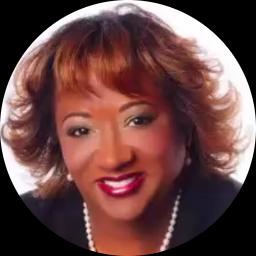
About Tracey
Dr. Tracey Williams offers support for people dealing with stress, anxiety, depression, low self-esteem, trauma, and relationship concerns. She writes in a straightforward way and aims to help clients set clear goals and make steady progress.
Dr. Williams practices as an LCSW - Licensed Clinical Social Worker and brings 18 years of experience to her work in Maryland. Her approach focuses on practical steps and solutions that fit daily life.
Background and approach
Sessions look at small changes that add up over time. She shares tools and strategies people can try between meetings to build confidence and reduce overwhelm. Dr.
Williams emphasizes strengths and resilience. She helps clients notice what already works and build on those skills. This can be helpful for issues like body image, caregiver stress, chronic illness, or coping after trauma.
She also addresses relationship and communication problems, codependency, and complications from blended families or divorce. Additional focus areas include abandonment, alternative sexual cultures such as BDSM and kink, cancer-related stress, and forgiveness work. Work with her is collaborative.
Clients set the pace and goals, and she provides guidance, accountability, and practical techniques. The aim is steady, realistic change that fits each person’s life and needs.
Evidence-informed approaches for online care
Dr. Williams uses evidence-based techniques that focus on setting goals and building practical skills. A solution-focused approach zeroes in on current strengths and small, manageable changes that lead to visible progress. It can help with anxiety, stress, and everyday problems by keeping sessions goal-directed and action oriented.She also draws on techniques that emphasize strength-building and coping skills. These methods teach concrete strategies for managing strong emotions, improving communication, and handling challenges like chronic illness, caregiver stress, or relationship strain. The focus is on doing small exercises and practicing skills between sessions.
Choosing the right approach is a collaborative process. The therapist and client work together to decide which techniques fit the person’s goals, needs, and preferences. Plans are adjusted over time based on what helps most.
Online formats include video calls, phone sessions, live chat, and text-based messaging. Video is useful for full conversations and nonverbal cues. Phone sessions can be a good option when lower bandwidth or a shorter check-in is needed. Live chat and messaging are helpful for brief updates, ongoing coaching, or when scheduling makes real-time meetings difficult. These options make therapy more flexible and easier to fit into a busy life.
Frequently asked questions
What concerns does she help with?
What is her therapeutic style like?
How much experience does she have?
What credentials and location are listed?
Which languages are supported for sessions?
What session formats are available?
How does cost work?
How do I get started with therapy?
Specialties and expertise
Top specialties
- Stress, Anxiety
- Relationship issues
- Trauma and abuse
Also works with
- Abandonment
- BDSM, kink, and alternative sex culture
- Blended family issues
- Body image
- Cancer
- Caregiver issues and stress
- Chronic pain, illness, and disability
- Co-morbidity
- Codependency
- Communication problems
- Coping with natural or human-caused disaster
- Dependent personality
- Depression
- Divorce and separation
- Domestic violence
- Forgiveness
- Guilt and shame
- Isolation / loneliness
- Life purpose
- Men's issues
- Midlife crisis
- Money and financial issues
- Multicultural concerns
- Obsessions, compulsions, and OCD
- Panic disorder and panic attacks
- Paranoia
- Phobias
- Polyamory / non-monogamous relationships
- Post-traumatic stress
- Postpartum depression
- Pregnancy and childbirth
- Prejudice and discrimination
- Process addiction (porn, exercise, gambling)
- Seasonal Affective Disorder (SAD)
- Self esteem
- Self-harm
- Self-love
- Sex addiction
- Sexual assault and abuse
- Sexual dysfunction
- Sexuality
- Social anxiety and phobia
- Somatization
- Trichotillomania
- Veteran and Armed Forces Issues
- Visually impaired
- Women's issues
- Workplace issues
- Young adult issues
- Experience
- 18 years
- Licensed
- Maryland, Virginia
- Languages
- English