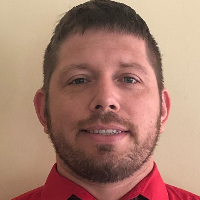
About Richard
Richard Rodgers is a Licensed Clinical Social Worker with ten years of experience in mental health and addiction care. He draws on his military background and years in inpatient and outpatient settings to help people facing stress, anxiety, addiction, trauma, grief, depression, and related struggles. He uses straightforward, practical conversation to identify what matters most to each person.
Sessions focus on goals that fit daily life, whether the need is coping skills, managing mood swings, or addressing sleep and substance concerns.
Background and approach
He aims to listen carefully and build plans that feel doable. Richard trained through a Master of Social Work program and holds an LCSW, licensed in Illinois (IL LCSW 149.020534) and Arizona (AZ LCSW LCSW-21892).
Over a decade he has worked with veterans and community clients in a range of settings, gaining experience with addiction and trauma as well as mood and stress disorders. His approach blends acceptance and commitment ideas, attachment-informed work, client-centered listening, cognitive behavioral tools, and skills from dialectical behavior methods. He adapts these methods to each person’s needs and pace.
Outside of practice he spends time with family and pets and enjoys live events. He aims to bring steady, practical support so people can move toward clearer routines, better relationships, and manageable coping steps.
How therapy approaches translate to online care
Acceptance and Commitment Therapy (ACT) encourages people to notice thoughts and feelings without getting stuck in them, then take steps that match their values. It can help with anxiety, depression, and coping during life changes. Cognitive Behavioral Therapy (CBT) looks at how thoughts, feelings, and actions link together and teaches specific strategies to change unhelpful patterns; it is often used for anxiety, mood concerns, and sleep problems. Attachment-Based Therapy focuses on how early relationship patterns affect current connections and communication, and it can help people improve trust and intimacy in relationships.Choosing the right approach is part of the work. The therapist uses an initial conversation to learn goals, preferences, and daily routines. Together they decide which ideas and exercises fit best and adjust as progress is made. This keeps therapy collaborative and focused on what matters to the person.
Online formats offer flexibility. Video calls let the therapist and client use face-to-face interaction for in-depth work. Phone sessions can be a good fit when a shorter check-in or lower bandwidth is needed. Live chat and text-based messaging work well for brief updates, skills practice, or when written reflection helps. These options make it easier to fit sessions around work, family, or other commitments while keeping the focus on steady progress.
Frequently asked questions
What concerns does Richard address?
What is his therapeutic style like?
How much experience does he have?
What credentials and location are listed?
Which languages are supported?
How are sessions delivered?
How does payment work?
What are the first steps to begin?
Specialties and expertise
Top specialties
Also works with
- Abandonment
- ADHD
- Anger management
- Antisocial personality
- Attachment issues
- Autism and Asperger Syndrome
- Avoidant personality
- Bipolar disorder
- Body image
- Career difficulties
- Chronic pain, illness, and disability
- Co-morbidity
- Codependency
- Commitment issues
- Communication problems
- Compassion fatigue
- Control issues
- Coping with life changes
- Coping with natural or human-caused disaster
- Dependent personality
- Depression
- Disruptive Mood Dysregulation Disorder (DMDD)
- Dissociation
- Divorce and separation
- Domestic violence
- Drug and alcohol addiction
- Eating and food-related issues
- Emptiness
- Family conflicts
- Family of origin issues
- Family problems
- Fatherhood issues
- First responder issues
- Forgiveness
- Grief
- Guilt and shame
- HIV / AIDS
- Hoarding
- Impulsivity
- Infidelity
- Intellectual disability
- Intimacy-related issues
- Isolation / loneliness
- Jealousy
- LGBT
- Life purpose
- Men's issues
- Midlife crisis
- Money and financial issues
- Mood disorders
- Narcissism
- Obsessions, compulsions, and OCD
- Panic disorder and panic attacks
- Paranoia
- Parenting issues
- Personality disorders
- Phobias
- Post-traumatic stress
- Postpartum depression
- Process addiction (porn, exercise, gambling)
- Relationship issues
- Seasonal Affective Disorder (SAD)
- Self esteem
- Self-harm
- Self-love
- Sexual assault and abuse
- Sexual dysfunction
- Sleeping disorders
- Smoking / vaping cessation
- Social anxiety and phobia
- Traumatic brain injury
- Veteran and Armed Forces Issues
- Workplace issues
- Young adult issues
Therapeutic approaches
- Acceptance and Commitment Therapy (ACT)
- Attachment-Based Therapy
- Client-Centered Therapy
- Cognitive Behavioral Therapy (CBT)
- Dialectical Behavior Therapy (DBT)
- Emotionally-Focused Therapy (EFT)
- Existential Therapy
- Mindfulness Therapy
- Motivational Interviewing
- Narrative Therapy
- Psychodynamic Therapy
- Solution-Focused Therapy
- Trauma-Focused Therapy
- Internal Family Systems
- Experience
- 10 years
- Licensed
- Illinois, Indiana, Arizona
- Languages
- English