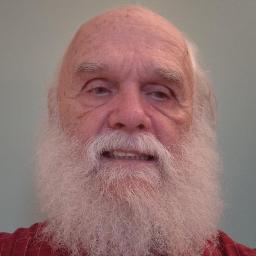
About Preston
Preston Page is a licensed clinical social worker who uses practical, goal-focused therapy to help people manage stress, anxiety, relationship strain, grief, and other life challenges. He draws on 35 years of experience in a variety of settings to offer clear, down-to-earth guidance. He speaks English and works with people in Virginia and beyond, including international clients.
He combines Acceptance and Commitment Therapy with Cognitive Behavioral Therapy and client-centered techniques.
Background and approach
That means conversations focus on values, useful skills, and steady steps toward change. Sessions look at thoughts and behaviors and also at what matters most to each person. Preston has worked in independent practice, local mental health clinics, inpatient mental health and substance use settings.
He also served 23 years in the US Army, both active duty and National Guard, and later worked as a Military and Family Life Counselor with service members at Fort Bragg and other locations. Those roles shaped his practical approach to coping and resilience.
He often helps people facing addiction, trauma, depression, bipolar challenges, grief, chronic illness, aging concerns, gender and sexual identity questions, and intimacy or sexual culture issues such as BDSM and kink. He also supports people dealing with career strain, compassion fatigue, and life purpose questions. In sessions he aims for plain language and steady support.
He meets people where they are, helps set manageable goals, and teaches skills to reduce distress. The focus is on concrete changes and on building a life that fits the client’s values.
How therapeutic approaches translate to online care
Acceptance and Commitment Therapy (ACT) focuses on clarifying values and taking small, committed steps toward them. Online ACT sessions help people notice unhelpful thoughts and build habits that match what matters most. Cognitive Behavioral Therapy (CBT) looks at thought patterns and behaviors to reduce distress and improve functioning; online CBT often pairs conversation with simple at-home exercises to practice new skills. Client-Centered Therapy creates a respectful, empathetic space where the client guides what to focus on and the therapist offers support and listening.Choosing the right mix of approaches is part of the work together. The therapist will discuss goals, try approaches that seem to fit, and adjust based on what helps. That collaborative process helps identify practical tools that match each person's needs and preferences.
Online therapy is offered via video calls, phone sessions, live chat, and text-based messaging to provide flexibility. Video calls allow face-to-face conversation and visual cues. Phone sessions use less bandwidth and can be simpler on busy days. Live chat and text messages work well for brief check-ins, tracking progress, or quick coping plans between sessions. These options make it easier to fit therapy into work, family, and travel schedules while keeping the focus on clear, usable strategies.
Frequently asked questions
What concerns does Preston address?
What is his general therapy style?
What background informs his work?
Which credentials and location are listed?
Which languages and international options are available?
What session formats are offered?
How is cost handled?
How do I begin a therapy match?
Specialties and expertise
Top specialties
- Stress, Anxiety
- Eating disorders
- Self esteem
Also works with
- Addictions
- Aging and geriatric issues
- Anger management
- BDSM, kink, and alternative sex culture
- Bipolar disorder
- Career difficulties
- Chronic pain, illness, and disability
- Compassion fatigue
- Coping with life changes
- Coping with natural or human-caused disaster
- Dependent personality
- Depression
- Emptiness
- Family conflicts
- Family of origin issues
- Forgiveness
- Gender dysphoria
- Grief
- Guilt and shame
- Hearing impaired
- Hospice and end-of-life counseling
- Infidelity
- Intimacy-related issues
- Isolation / loneliness
- LGBT
- Life purpose
- Men's issues
- Midlife crisis
- Mood disorders
- Polyamory / non-monogamous relationships
- Prejudice and discrimination
- Relationship issues
- Seasonal Affective Disorder (SAD)
- Self-love
- Sexuality
- Sleeping disorders
- Social anxiety and phobia
- Trauma and abuse
- Trichotillomania
- Veteran and Armed Forces Issues
Therapeutic approaches
- Experience
- 35 years
- Licensed
- Virginia, North Carolina
- Languages
- English