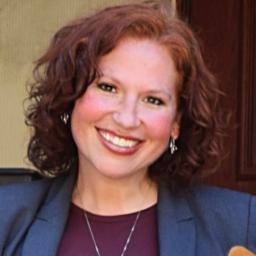
About Jennifer
Jennifer Grant is a licensed clinical social worker who helps people facing stress, anxiety, relationship strains, and trauma. She speaks plainly and aims to make the first steps toward change feel manageable. Her manner is down-to-earth and focused on what a person needs right now.
Jennifer creates a calm space where people can talk through painful memories and current pressures. She listens without judgment and works with each person to set clear goals.
Background and approach
Conversations are practical and paced to the person’s comfort. Her approach draws on therapies that target thoughts, feelings, and coping skills. She uses methods that help reduce overwhelm, improve communication, and process difficult events.
Sessions often include problem-solving and concrete tools to try between meetings. Jennifer has worked in clinical settings in Texas for 13 years. She holds the LCSW credential, which denotes licensure as a clinical social worker in the state.
That experience informs how she helps people handle grief, trauma, and identity-related concerns. People who come for help may want support with attachment wounds, body image, chronic health challenges, or problems tied to family of origin. She also assists those dealing with codependency, dissociation, or first responder stress.
Work together is collaborative and focused on steps that make daily life easier.
How therapeutic approaches shape online care
Client-Centered Therapy focuses on listening and understanding each person’s experience. The therapist offers empathy and helps people name what matters most, which can be useful for anxiety, relationship strain, or questions about identity.Cognitive Behavioral Therapy, or CBT, looks at patterns of thinking and behavior that keep problems going. It teaches practical skills to challenge unhelpful thoughts and test new ways of coping, often useful for stress and anxiety.
Finding the right approach is part of the work. Jennifer will partner with the person to choose methods that fit their goals, needs, and comfort level. That decision is made together and can change as progress is made.
Online therapy offers several practical benefits. Video calls allow face-to-face conversation when that helps build connection. Phone sessions can be easier when bandwidth is limited or a shorter check-in is needed. Live chat and text-based messaging make it possible to share thoughts between appointments or to fit support into a busy day. These options give flexibility so people can use the format that best fits their schedule and communication style.
Frequently asked questions
What concerns does she commonly address?
What is her therapeutic style like?
How long has she been practicing?
What are her credentials and where is she located?
In which language are sessions offered and can international clients join?
What session formats are available?
How does pricing and payment work?
How do I begin working with her?
Specialties and expertise
Top specialties
- Stress, Anxiety
- LGBT
- Relationship issues
Also works with
- Attachment issues
- Blended family issues
- Body image
- Chronic pain, illness, and disability
- Codependency
- Commitment issues
- Communication problems
- Dissociation
- Divorce and separation
- Family of origin issues
- Family problems
- First responder issues
- Forgiveness
- Grief
- Guilt and shame
- Impulsivity
- Infidelity
- Isolation / loneliness
- Jealousy
- Life purpose
- Midlife crisis
- Money and financial issues
- Mood disorders
- Narcissism
- Panic disorder and panic attacks
- Polyamory / non-monogamous relationships
- Post-traumatic stress
- Pregnancy and childbirth
- Self-harm
- Self-love
- Sexual assault and abuse
- Sexuality
- Social anxiety and phobia
- Trauma and abuse
- Veteran and Armed Forces Issues
- Women's issues
- Workplace issues
- Young adult issues
Therapeutic approaches
- Experience
- 13 years
- Licensed
- Texas
- Languages
- English