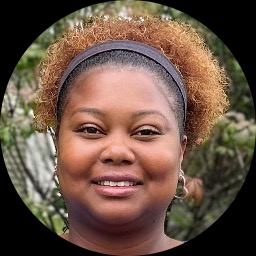
About Daveisha
Daveisha Tanck uses a client-centered approach to guide people through relationship and family struggles. She is a licensed clinical social worker in North Carolina and brings seven years of clinical experience to her work. Her style is warm, open, and relaxed to help people feel understood as they begin difficult conversations.
She focuses on relationship concerns, parenting challenges, intimacy issues, and communication problems. She also helps people managing stress, anxiety, depression, and the aftereffects of trauma and abuse.
Background and approach
Practical skills and honest conversation are part of how she works together with each person. Daveisha draws on Cognitive Behavioral Therapy and solution-focused methods to set clear goals and try small, doable steps between sessions. She also uses mindfulness tools to help people notice thoughts and calm racing feelings.
Motivational interviewing supports readiness for change when people feel stuck. Sessions are adapted to each person’s needs. Daveisha aims to make therapy a cooperative process where goals are agreed on and progress is tracked.
She is comfortable addressing painful topics and guides those discussions with sensitivity. Her background includes direct clinical work with children and adolescents, experience teaching parenting skills, and time supporting young adults. Those years of practice inform how she explains ideas and offers practical strategies people can use right away.
Therapeutic approaches adapted for online work
Client-centered therapy focuses on listening and building trust. In practice this means the therapist follows the person’s priorities, offers reflective feedback, and shapes sessions around what matters most right now. Cognitive Behavioral Therapy, or CBT, helps identify unhelpful thoughts and tries practical behavioral changes. That approach is useful for anxiety, low mood, and managing stress with clear homework and short experiments.Finding the right approach is part of the process. The therapist works collaboratively to pick methods that match a person’s goals and preferences. Sessions may mix styles over time so people can try tools and notice what helps most.
Online formats include video calls, phone sessions, live chat, and text-based messaging to add flexibility. Video sessions let people use visual cues and longer conversations. Phone sessions can be easier when bandwidth is low or a shorter check-in is needed. Live chat and text-based messaging allow more frequent, brief check-ins and written tools that can be revisited later. These options make it easier to fit therapy into busy lives and keep progress moving forward.
Frequently asked questions
What concerns does this therapist commonly address?
What is the therapy style like?
What experience does she bring?
Where is this therapist licensed and located?
Which languages are supported for sessions?
Can people outside the United States work with her?
What session formats are available?
How does cost and starting therapy work?
Specialties and expertise
Top specialties
- Stress, Anxiety
- Relationship issues
- Family conflicts
Also works with
- Abandonment
- Attachment issues
- Blended family issues
- Codependency
- Commitment issues
- Communication problems
- Compassion fatigue
- Coping with life changes
- Dependent personality
- Depression
- Divorce and separation
- Domestic violence
- Emptiness
- Family of origin issues
- Family problems
- First responder issues
- Forgiveness
- Guilt and shame
- Infidelity
- Intimacy-related issues
- Isolation / loneliness
- Jealousy
- Life purpose
- Midlife crisis
- Money and financial issues
- Multicultural concerns
- Parenting issues
- Prejudice and discrimination
- Process addiction (porn, exercise, gambling)
- Self esteem
- Self-love
- Sexuality
- Social anxiety and phobia
- Trauma and abuse
- Women's issues
- Workplace issues
- Young adult issues
Therapeutic approaches
- Experience
- 7 years
- Licensed
- North Carolina
- Languages
- English