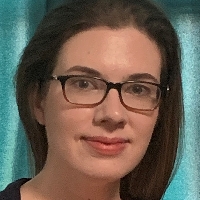
About Ashley
Ashley Hutchens is a licensed social worker who helps people manage stress, anxiety, depression, trauma, and relationship and family concerns. She practices in West Virginia and brings seven years of community mental health experience to her work. Ashley uses clear, practical steps to help people feel more steady and in control of daily life.
She favors straightforward methods that focus on thoughts, behaviors, and present-day coping. Sessions often include learning new skills, practicing breathing and grounding techniques, and talking through difficult memories at a pace that feels manageable.
Background and approach
Ashley also uses approaches that support communication and connection in relationships. Clients can expect a collaborative style that mixes active problem solving with emotional support. She draws on Cognitive Behavioral Therapy and Dialectical Behavior Therapy to help change unhelpful thinking and build better emotion regulation.
Motivational Interviewing is used to strengthen commitment to change when people feel stuck. Ashley’s background is in social work, and she holds the credential LICSW, which stands for Licensed Independent Clinical Social Worker, and LCSW, Licensed Clinical Social Worker. She has worked across a range of concerns including addiction, grief, eating and sleeping problems, bipolar disorder, and compassion fatigue.
Her approach is practical and steady. She helps people set small, achievable goals and tracks progress together. The focus is on skills that make everyday life easier and on restoring balance to work, family, and personal wellbeing.
How therapy methods translate to online care
CBT, or Cognitive Behavioral Therapy, helps people notice and change unhelpful thoughts and behaviors. It is useful for anxiety, depression, stress, and many daily problems by teaching concrete skills and action plans. DBT, Dialectical Behavior Therapy, focuses on emotion regulation, distress tolerance, and improving relationships; it is helpful for strong emotions, self-control struggles, and improving communication. The Gottman Method centers on improving how people talk and solve problems in close relationships and can guide skill-building around conflict and connection.Choosing the right approach is a shared process. The therapist will talk with each person about goals, preferences, and what feels most useful. Together they may blend techniques from CBT, DBT, and the Gottman Method to match practical needs and personal style as therapy progresses.
Online sessions can fit into busy schedules through video calls, phone sessions, live chat, or text-based messaging. Video lets people practice skills and have face-to-face conversation. Phone sessions use less bandwidth and can be easier during a short break. Live chat and messaging are useful for brief check-ins, homework support, or ongoing reminders between longer appointments. This flexibility helps people keep progress steady while balancing work, family, and daily life.
Frequently asked questions
What kinds of concerns does Ashley address?
What is Ashley's general style in sessions?
How much experience does she have?
What credentials and location apply to this therapist?
Which languages are supported for sessions?
What session formats are available?
How does pricing work?
How do I begin working with Ashley?
Specialties and expertise
Top specialties
- Stress, Anxiety
- Relationship issues
- Family conflicts
Also works with
- Abandonment
- Addictions
- Aging and geriatric issues
- Anger management
- Antisocial personality
- Attachment issues
- Autism and Asperger Syndrome
- Avoidant personality
- Bipolar disorder
- Blended family issues
- Body image
- Career difficulties
- Caregiver issues and stress
- Chronic pain, illness, and disability
- Co-morbidity
- Codependency
- Commitment issues
- Communication problems
- Compassion fatigue
- Control issues
- Coping with life changes
- Coping with natural or human-caused disaster
- Dependent personality
- Depression
- Disruptive Mood Dysregulation Disorder (DMDD)
- Dissociation
- Divorce and separation
- Domestic violence
- Drug and alcohol addiction
- Eating and food-related issues
- Eating disorders
- Emptiness
- Family problems
- Fatherhood issues
- Forgiveness
- Gender dysphoria
- Grief
- Guilt and shame
- HIV / AIDS
- Hoarding
- Hospice and end-of-life counseling
- Impulsivity
- Infidelity
- Intellectual disability
- Intimacy-related issues
- Isolation / loneliness
- Jealousy
- LGBT
- Life purpose
- Men's issues
- Midlife crisis
- Money and financial issues
- Mood disorders
- Narcissism
- Obsessions, compulsions, and OCD
- Panic disorder and panic attacks
- Paranoia
- Parenting issues
- Personality disorders
- Phobias
- Polyamory / non-monogamous relationships
- Post-traumatic stress
- Postpartum depression
- Pregnancy and childbirth
- Process addiction (porn, exercise, gambling)
- Seasonal Affective Disorder (SAD)
- Self esteem
- Self-harm
- Self-love
- Sexual assault and abuse
- Sexuality
- Sleeping disorders
- Social anxiety and phobia
- Somatization
- Trauma and abuse
- Traumatic brain injury
- Women's issues
- Workplace issues
- Young adult issues
Therapeutic approaches
- Experience
- 7 years
- Licensed
- West Virginia, Virginia
- Languages
- English