
Velma Jones, LCSW
New York · 29 yrs exp
Works with Stress, Anxiety / Relationship / Trauma and abuse +11
Works by Attachment-Based Therapy / Client-Centered Therapy
View ProfileThe therapist listings are provided by BetterHelp and we will earn a commission if you use our link - at no cost to you.
The listings below feature licensed clinical social workers (LCSWs) who identify blended family issues as a focus. Review profiles to learn about their professional background, practice emphasis, languages, and the approaches they list.
Use the directory to explore LCSW clinicians who work with stepfamilies, co-parenting transitions, stepchild adjustment, and related relational concerns.
New York · 29 yrs exp
Works with Stress, Anxiety / Relationship / Trauma and abuse +11
Works by Attachment-Based Therapy / Client-Centered Therapy
View Profile
Louisiana · 15 yrs exp
Works with Stress, Anxiety / Relationship / Family +13
Works by Acceptance and Commitment Therapy (ACT) / Attachment-Based Therapy
View Profile
Colorado · 19 yrs exp · 2 languages
Works with Stress, Anxiety / Relationship / Trauma and abuse +13
Works by Somatic Therapy / Acceptance and Commitment Therapy (ACT)
View Profile
North Carolina · 21 yrs exp
Works with Stress, Anxiety / Grief / Eating +13
Works by Acceptance and Commitment Therapy (ACT) / Client-Centered Therapy
View Profile
New York · 24 yrs exp
Works with Stress, Anxiety / Relationship / Anger +13
Works by Client-Centered Therapy / Cognitive Behavioral Therapy (CBT)
View Profile
Oregon · 26 yrs exp
Works with Stress, Anxiety / Trauma and abuse / Grief +11
Works by Somatic Therapy / Acceptance and Commitment Therapy (ACT)
View Profile
North Carolina · 10 yrs exp
Works with Stress, Anxiety / Relationship / Family +17
Works by Acceptance and Commitment Therapy (ACT) / Client-Centered Therapy
View Profile
New York · 35 yrs exp
Works with Stress, Anxiety / Self esteem / Career +11
Works by Client-Centered Therapy / Mindfulness Therapy
View Profile
Florida · 10 yrs exp
Works with Stress, Anxiety / Addictions / Family +9
Works by Client-Centered Therapy / Cognitive Behavioral Therapy (CBT)
View Profile
Texas · 21 yrs exp
Works with Stress, Anxiety / Relationship / Trauma and abuse +16
Works by Acceptance and Commitment Therapy (ACT) / Client-Centered Therapy
View Profile
Florida · 30 yrs exp
Works with Stress, Anxiety / Relationship / Intimacy-related issues +9
Works by Client-Centered Therapy / Cognitive Behavioral Therapy (CBT)
View Profile
Louisiana · 14 yrs exp
Works with Stress, Anxiety / Anger / Self esteem +10
View Profile
Virginia · 31 yrs exp
Works with Stress, Anxiety / Relationship / Family +13
Works by Attachment-Based Therapy / Client-Centered Therapy
View Profile
North Carolina · 30 yrs exp
Works with LGBT / Relationship / Family +14
Works by Acceptance and Commitment Therapy (ACT) / Attachment-Based Therapy
View Profile
North Carolina · 30 yrs exp
Works with Stress, Anxiety / Relationship / Family +11
Works by Client-Centered Therapy / Cognitive Behavioral Therapy (CBT)
View Profile
Texas · 20 yrs exp
Works with Stress, Anxiety / Addictions / Family +16
Works by Client-Centered Therapy / Cognitive Behavioral Therapy (CBT)
View Profile
Florida · 10 yrs exp
Works with Stress, Anxiety / Trauma and abuse / Grief +13
Works by Client-Centered Therapy / Cognitive Behavioral Therapy (CBT)
View Profile
Illinois · 20 yrs exp
Works with Stress, Anxiety / Grief / Self esteem +12
Works by Client-Centered Therapy / Cognitive Behavioral Therapy (CBT)
View Profile
Michigan · 24 yrs exp
Works with Stress, Anxiety / Addictions / Relationship +2
Works by Client-Centered Therapy / Cognitive Behavioral Therapy (CBT)
View Profile
Delaware · 28 yrs exp · 2 languages
Works with Stress, Anxiety / Family / Self esteem +12
Works by Acceptance and Commitment Therapy (ACT) / Client-Centered Therapy
View Profile
Arkansas · 44 yrs exp
Works with Stress, Anxiety / Trauma and abuse / Grief +17
Works by Acceptance and Commitment Therapy (ACT) / Client-Centered Therapy
View Profile
California · 20 yrs exp
Works with Stress, Anxiety / Relationship / Family +16
Works by Cognitive Behavioral Therapy (CBT) / Motivational Interviewing
View Profile
New Mexico · 20 yrs exp
Works with Stress, Anxiety / Self esteem / Bipolar +9
Works by Acceptance and Commitment Therapy (ACT) / Client-Centered Therapy
View Profile
Mississippi · 36 yrs exp
Works with Family / Parenting / Anger +12
Works by Acceptance and Commitment Therapy (ACT) / Attachment-Based Therapy
View Profile
Florida · 28 yrs exp · 3 languages
Works with Stress, Anxiety / Addictions / Trauma and abuse +14
Works by Acceptance and Commitment Therapy (ACT) / Attachment-Based Therapy
View Profile
North Carolina · 8 yrs exp
Works with Stress, Anxiety / Trauma and abuse / Parenting +9
Works by Attachment-Based Therapy / Client-Centered Therapy
View Profile
New York · 25 yrs exp · 2 languages
Works with Stress, Anxiety / Grief / Anger +7
Works by Client-Centered Therapy / Cognitive Behavioral Therapy (CBT)
View Profile
Connecticut · 24 yrs exp
Works with Stress, Anxiety / Relationship / Grief +12
Works by Client-Centered Therapy / Cognitive Behavioral Therapy (CBT)
View Profile
Kentucky · 9 yrs exp
Works with Addictions / Relationship / Parenting +13
Works by Acceptance and Commitment Therapy (ACT) / Attachment-Based Therapy
View Profile
Texas · 6 yrs exp
Works with Stress, Anxiety / Relationship / Trauma and abuse +2
View Profile
Texas · 11 yrs exp
Works with Stress, Anxiety / Relationship / Trauma and abuse +6
Works by Acceptance and Commitment Therapy (ACT) / Client-Centered Therapy
View Profile
Texas · 35 yrs exp
Works with Stress, Anxiety / Relationship / Family +15
Works by Attachment-Based Therapy / Client-Centered Therapy
View Profile
Wisconsin · 18 yrs exp
Works with Stress, Anxiety / Parenting / Self esteem +12
Works by Client-Centered Therapy / Cognitive Behavioral Therapy (CBT)
View Profile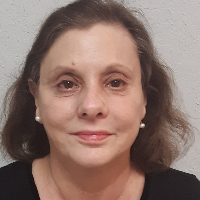
Florida · 32 yrs exp
Works with Stress, Anxiety / Trauma and abuse / Grief +15
Works by Acceptance and Commitment Therapy (ACT) / Client-Centered Therapy
View Profile
North Dakota · 10 yrs exp
Works with Stress, Anxiety / Relationship / Family +11
Works by Somatic Therapy / Acceptance and Commitment Therapy (ACT)
View Profile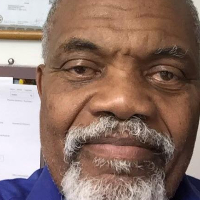
Illinois · 39 yrs exp
Works with Stress, Anxiety / Relationship / Grief +2
Works by Client-Centered Therapy / Cognitive Behavioral Therapy (CBT)
View Profile
New York · 25 yrs exp
Works with Stress, Anxiety / Relationship / Family +16
Works by Acceptance and Commitment Therapy (ACT) / Client-Centered Therapy
View Profile
Kentucky · 15 yrs exp
Works with Stress, Anxiety / Relationship / Parenting +14
Works by Acceptance and Commitment Therapy (ACT) / Attachment-Based Therapy
View Profile
Montana · 20 yrs exp
Works with Stress, Anxiety / Addictions / Relationship +12
Works by Acceptance and Commitment Therapy (ACT) / Attachment-Based Therapy
View Profile
Utah · 30 yrs exp
Works with Stress, Anxiety / Trauma and abuse / Grief +2
View Profile
Florida · 5 yrs exp
Works with Addictions / Relationship / Self esteem +14
Works by Acceptance and Commitment Therapy (ACT) / Attachment-Based Therapy
View Profile
Colorado · 23 yrs exp
Works with Stress, Anxiety / Family / Trauma and abuse +10
Works by Psychodynamic Therapy
View Profile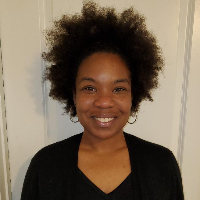
North Carolina · 15 yrs exp
Works with LGBT / Relationship / Family +8
Works by Attachment-Based Therapy / Client-Centered Therapy
View Profile
Florida · 16 yrs exp
Works with Stress, Anxiety / Relationship / Parenting +9
Works by Attachment-Based Therapy / Client-Centered Therapy
View Profile
Missouri · 35 yrs exp
Works with Stress, Anxiety / Relationship / Family +12
Works by Client-Centered Therapy / Cognitive Behavioral Therapy (CBT)
View Profile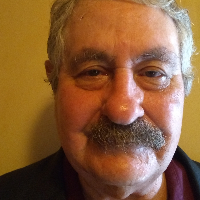
Oklahoma · 12 yrs exp
Works with Stress, Anxiety / Family / Trauma and abuse +12
Works by Client-Centered Therapy / Cognitive Behavioral Therapy (CBT)
View Profile
Missouri · 25 yrs exp · 2 languages
Works with Anger / Self esteem / Depression +16
Works by Somatic Therapy / Client-Centered Therapy
View Profile
Florida · 16 yrs exp
Works with Stress, Anxiety / Trauma and abuse / Grief +11
Works by Acceptance and Commitment Therapy (ACT) / Attachment-Based Therapy
View ProfileBlended families bring together people with different histories, expectations, and parenting roles. You may be navigating relationships between stepparents and stepchildren, negotiating schedules with a co-parent in another household, or adjusting to shifting financial and household responsibilities. These challenges often overlap with grief for a prior family structure, loyalty conflicts among children, and questions about discipline and boundaries. Because emotions in blended families can be layered and long-standing, stress that starts with daily logistics can quickly affect emotional connection and individual well-being.
An LCSW brings a distinct perspective to these situations because social work training emphasizes a person-in-environment view. That means an LCSW looks at how your housing, work schedule, community supports, financial pressures, and broader family system interact with individual emotions and behaviors. You benefit from this wider lens when solutions require coordination across settings - for example when school, health care, or extended family play a role in a stepfamily transition. LCSWs are licensed at the clinical level after completing a master's degree in social work, a state-set period of supervised post-graduate clinical experience - commonly two to three years and several thousand hours depending on the state - and passing a clinical licensing examination administered by a state board. Because the license is issued and renewed by the state, scope of practice and title can vary by location.
You might be considering professional help if tensions at home recur despite attempts to resolve them, if children show sustained behavioral changes after a family transition, or if you and a partner struggle to present a united approach to parenting. Other common signs include chronic arguments about household rules, feeling isolated or out of sync with stepchildren, repeated conflict with an ex-partner about parenting boundaries, and difficulty forming emotional connections with new family members. Emotional responses such as persistent sadness, anger that interferes with daily functioning, or significant anxiety around family events are also signals that extra support could be useful.
Because blended family dynamics often involve multiple people with different needs, you may find value in sessions that include more than one family member. LCSWs can work with individuals, couples, or multiple family members to address communication patterns, role clarity, and practical problem solving. Choosing therapy earlier in a transition frequently helps prevent small conflicts from becoming entrenched patterns that are harder to change over time.
When you begin work with an LCSW for blended family concerns, the first phase is typically an assessment of the family context and individual experiences. Expect questions about your family history, household routines, legal arrangements, parenting values, financial responsibilities, and community resources. The LCSW will also ask about emotional reactions, communication patterns, and any stressors outside the household that affect family life. This initial information-gathering helps the clinician identify practical interventions as well as emotional work that may be needed.
Sessions often mix concrete problem solving with relational work. For example, you might create agreements about discipline and household chores in one session and explore loyalty conflicts or attachment needs in another. An LCSW’s person-in-environment perspective means you will consider external factors - such as school demands, work schedules, and community supports - alongside internal feelings and relationship patterns. Therapy may also include skill-building around communication, negotiation, and boundary-setting so you can test new approaches at home and reflect on the results in later sessions. Throughout the process, the LCSW's role is to help you identify realistic steps that fit your family’s particular structure and constraints.
Because blended families are systems made up of multiple people, therapy often combines individual sessions with joint meetings. You can expect the clinician to tailor who attends each session based on the issues being addressed. Joint meetings can be useful for setting shared expectations, while individual sessions give each person space to explore personal reactions and patterns. The LCSW will help determine an appropriate balance so that all voices can be heard without creating undue pressure on any one family member.
Therapists who list family systems work among their approaches often focus on patterns of interaction and family roles. That perspective helps you see how behaviors in one part of the family influence others, which is especially valuable when stepfamily roles are ambiguous. Therapists who list attachment-based approaches among their work emphasize emotional bonds and how to build trust and security between stepparents and stepchildren. When trauma or past loss plays a role, therapists who list trauma-informed care among their approaches may emphasize safety, pacing, and stabilization while exploring the impact of earlier events on current relationships.
Some clinicians list cognitive-behavioral strategies among their approaches to help you identify and change unhelpful thinking and behavior patterns that get in the way of cooperation. Others list emotionally focused or narrative approaches that prioritize emotional expression and the stories family members tell about their relationships. Because the directory records the approaches a clinician lists rather than validating specific training credentials, you may find it helpful to review profiles and look for clinicians whose stated approaches match the kind of work you imagine doing. You can also look for experience with adolescent development, co-parenting after separation, or stepfamily formation when those issues are central for you.
Online therapy can make it easier to fit sessions into the complex schedules many blended families have. Sessions may occur via video, phone, or asynchronous messaging, depending on what the clinician indicates in their profile. You can attend from home, a parked car between commitments, or another location that gives you the privacy and minimal distractions needed to engage. For joint sessions, remote work can allow separated parents to participate without rearranging travel or childcare for in-person meetings. It can also support continuity when family members live in different households or when a stepchild spends weekdays with one parent and weekends with another.
When you try online sessions, expect the clinician to discuss practical matters such as how to handle interruptions, what to do in an emergency, and how to find a quiet place for conversation. If you expect to include children or multiple family members, talk with the clinician about how to structure those meetings so everyone can have a voice. Because licensure is state-based for LCSWs, online work may be subject to state regulations about where the clinician can practice; clinician profiles often note the states in which they hold licensure. Consider whether you prefer remote work for convenience or a mix of remote and in-person meetings to get the benefits of both formats.
Start by looking for LCSW clinicians who explicitly list blended family, stepfamily, co-parenting, or related relational issues among their focus areas. Review profiles for experience with the age group of your children, with custody or legal transitions if those are relevant, and with the particular dynamics you face. Pay attention to the approaches a clinician lists, such as family systems, attachment-based work, or cognitive-behavioral strategies, and choose someone whose described approach aligns with the ways you want to work. You may also value clinicians who mention experience coordinating with schools, pediatricians, or other community resources if external systems are part of the challenge.
Language and cultural competence often matter for family work, so note the languages a clinician lists and any cultural or community expertise they describe. Because LCSW licenses are issued by state boards, check that the clinician is licensed at the LCSW level and practice within the state rules that apply to your situation. Finally, think about logistics that affect how you will engage - whether you prefer evening or daytime sessions, remote or in-person formats, and whether you want a clinician who offers conjoint family meetings or more individual-focused work. You can use those practical considerations together with the clinician’s stated focus areas, approaches, credentials, languages, and experience to identify several LCSWs whose profiles feel like a match for your family’s needs.
Working with an LCSW who understands both emotional dynamics and the environmental pressures on your family can help you navigate the practical and relational complexities of blended family life. With clear goals and realistic steps you can test at home, therapy can support better communication, clearer roles, and stronger relationships over time.
Alabama
26 therapists
Alaska
19 therapists
Arizona
115 therapists
Arkansas
68 therapists
California
989 therapists
Colorado
177 therapists
Connecticut
133 therapists
Delaware
42 therapists
District of Columbia
8 therapists
Florida
982 therapists
Georgia
268 therapists
Hawaii
39 therapists
Idaho
50 therapists
Illinois
450 therapists
Indiana
247 therapists
Iowa
9 therapists
Kansas
33 therapists
Kentucky
166 therapists
Louisiana
165 therapists
Maine
66 therapists
Maryland
29 therapists
Massachusetts
17 therapists
Michigan
43 therapists
Minnesota
16 therapists
Mississippi
86 therapists
Missouri
188 therapists
Montana
62 therapists
Nebraska
2 therapists
Nevada
71 therapists
New Hampshire
24 therapists
New Jersey
300 therapists
New Mexico
69 therapists
New York
659 therapists
North Carolina
441 therapists
North Dakota
12 therapists
Ohio
39 therapists
Oklahoma
87 therapists
Oregon
78 therapists
Pennsylvania
272 therapists
Rhode Island
4 therapists
South Carolina
45 therapists
South Dakota
2 therapists
Tennessee
134 therapists
Texas
617 therapists
Utah
121 therapists
Vermont
3 therapists
Virginia
232 therapists
Washington
20 therapists
West Virginia
9 therapists
Wisconsin
161 therapists
Wyoming
22 therapists