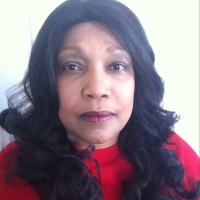
Velma Jones, LCSW
New York · 29 yrs exp
Works with Stress, Anxiety / Relationship / Trauma and abuse +11
Works by Attachment-Based Therapy / Client-Centered Therapy
View ProfileThe therapist listings are provided by BetterHelp and we will earn a commission if you use our link - at no cost to you.
A Licensed Clinical Social Worker (LCSW) is a master level clinician who has completed supervised post-graduate practice and a state licensing exam. Below you can browse verified LCSW therapists listed by state and specialty.
New York · 29 yrs exp
Works with Stress, Anxiety / Relationship / Trauma and abuse +11
Works by Attachment-Based Therapy / Client-Centered Therapy
View Profile
Louisiana · 15 yrs exp
Works with Stress, Anxiety / Relationship / Family +13
Works by Acceptance and Commitment Therapy (ACT) / Attachment-Based Therapy
View Profile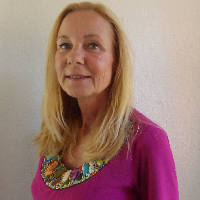
North Carolina · 30 yrs exp · 2 languages
Works with Relationship / Parenting / Anger +6
Works by Cognitive Behavioral Therapy (CBT) / Mindfulness Therapy
View Profile
Colorado · 19 yrs exp · 2 languages
Works with Stress, Anxiety / Relationship / Trauma and abuse +13
Works by Somatic Therapy / Acceptance and Commitment Therapy (ACT)
View Profile
Texas · 13 yrs exp
Works with Stress, Anxiety / Relationship / Trauma and abuse +12
Works by Attachment-Based Therapy / Client-Centered Therapy
View Profile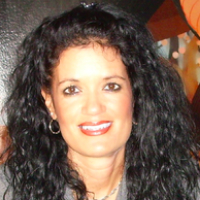
North Carolina · 21 yrs exp
Works with Stress, Anxiety / Grief / Eating +13
Works by Acceptance and Commitment Therapy (ACT) / Client-Centered Therapy
View Profile
New Jersey · 15 yrs exp
Works with Stress, Anxiety / Family / Trauma and abuse +11
Works by Cognitive Behavioral Therapy (CBT) / Psychodynamic Therapy
View Profile
New York · 24 yrs exp
Works with Stress, Anxiety / Relationship / Anger +13
Works by Client-Centered Therapy / Cognitive Behavioral Therapy (CBT)
View Profile
Oregon · 26 yrs exp
Works with Stress, Anxiety / Trauma and abuse / Grief +11
Works by Somatic Therapy / Acceptance and Commitment Therapy (ACT)
View Profile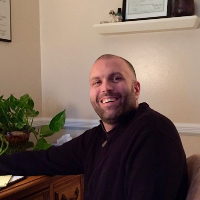
South Carolina · 14 yrs exp
Works with Stress, Anxiety / Parenting / Depression +15
Works by Client-Centered Therapy / Solution-Focused Therapy
View Profile
Illinois · 30 yrs exp
Works with Trauma and abuse / Grief / Self esteem +15
Works by Client-Centered Therapy / Cognitive Behavioral Therapy (CBT)
View Profile
New York · 25 yrs exp · 2 languages
Works with Stress, Anxiety / Addictions / Trauma and abuse +12
Works by Client-Centered Therapy / Cognitive Behavioral Therapy (CBT)
View Profile
Alaska · 26 yrs exp
Works with Stress, Anxiety
View Profile
Texas · 6 yrs exp
Works with LGBT / Relationship / Family +7
Works by Acceptance and Commitment Therapy (ACT) / Attachment-Based Therapy
View Profile
Missouri · 16 yrs exp
Works with Stress, Anxiety / Trauma and abuse / Self esteem +13
Works by Client-Centered Therapy / Cognitive Behavioral Therapy (CBT)
View Profile
North Carolina · 10 yrs exp
Works with Stress, Anxiety / Relationship / Family +17
Works by Acceptance and Commitment Therapy (ACT) / Client-Centered Therapy
View Profile
Florida · 15 yrs exp
Works with Relationship / Family / Intimacy-related issues +5
View Profile
New York · 35 yrs exp
Works with Stress, Anxiety / Self esteem / Career +11
Works by Client-Centered Therapy / Mindfulness Therapy
View Profile
Kentucky · 10 yrs exp
Works with Stress, Anxiety / Family / Self esteem +13
Works by Acceptance and Commitment Therapy (ACT) / Client-Centered Therapy
View Profile
Mississippi · 23 yrs exp
Works with Stress, Anxiety / Grief / Anger +9
Works by Cognitive Behavioral Therapy (CBT) / Mindfulness Therapy
View Profile
New Jersey · 22 yrs exp
Works with Stress, Anxiety / LGBT / Relationship +11
Works by Acceptance and Commitment Therapy (ACT) / Attachment-Based Therapy
View Profile
Florida · 10 yrs exp
Works with Stress, Anxiety / Addictions / Family +9
Works by Client-Centered Therapy / Cognitive Behavioral Therapy (CBT)
View Profile
Texas · 21 yrs exp
Works with Stress, Anxiety / Relationship / Trauma and abuse +16
Works by Acceptance and Commitment Therapy (ACT) / Client-Centered Therapy
View Profile
Illinois · 12 yrs exp
Works with Stress, Anxiety / Trauma and abuse / Parenting +13
Works by Client-Centered Therapy / Cognitive Behavioral Therapy (CBT)
View Profile
Delaware · 8 yrs exp
Works with Relationship / Family / Trauma and abuse +12
View Profile
Florida · 22 yrs exp
Works with Stress, Anxiety / Self esteem / Depression +6
Works by Acceptance and Commitment Therapy (ACT) / Client-Centered Therapy
View Profile
Illinois · 25 yrs exp
Works with Stress, Anxiety / Self esteem / Career +11
Works by Client-Centered Therapy / Cognitive Behavioral Therapy (CBT)
View Profile
Florida · 30 yrs exp
Works with Stress, Anxiety / Relationship / Intimacy-related issues +9
Works by Client-Centered Therapy / Cognitive Behavioral Therapy (CBT)
View Profile
New Jersey · 8 yrs exp
Works with Stress, Anxiety / Relationship / Trauma and abuse +15
Works by Acceptance and Commitment Therapy (ACT) / Attachment-Based Therapy
View Profile
Louisiana · 14 yrs exp
Works with Stress, Anxiety / Anger / Self esteem +10
View Profile
Mississippi · 12 yrs exp
Works with Stress, Anxiety / Addictions / Anger +13
Works by Client-Centered Therapy / Cognitive Behavioral Therapy (CBT)
View Profile
Tennessee · 35 yrs exp
Works with Stress, Anxiety / Grief / Self esteem +9
Works by Acceptance and Commitment Therapy (ACT) / Client-Centered Therapy
View Profile
Virginia · 31 yrs exp
Works with Stress, Anxiety / Relationship / Family +13
Works by Attachment-Based Therapy / Client-Centered Therapy
View Profile
North Carolina · 30 yrs exp
Works with LGBT / Relationship / Family +14
Works by Acceptance and Commitment Therapy (ACT) / Attachment-Based Therapy
View Profile
Georgia · 25 yrs exp
Works with Stress, Anxiety / Parenting / Anger +16
Works by Attachment-Based Therapy / Client-Centered Therapy
View Profile
North Carolina · 30 yrs exp
Works with Stress, Anxiety / Relationship / Family +11
Works by Client-Centered Therapy / Cognitive Behavioral Therapy (CBT)
View Profile
Florida · 14 yrs exp
Works with Stress, Anxiety / Trauma and abuse / Grief +14
Works by Cognitive Behavioral Therapy (CBT) / Dialectical Behavior Therapy (DBT)
View Profile
Texas · 20 yrs exp
Works with Stress, Anxiety / Addictions / Family +16
Works by Client-Centered Therapy / Cognitive Behavioral Therapy (CBT)
View Profile
Pennsylvania · 38 yrs exp
Works with Stress, Anxiety / Grief / Depression +8
Works by Client-Centered Therapy / Cognitive Behavioral Therapy (CBT)
View Profile
Nevada · 6 yrs exp
Works with Stress, Anxiety / Depression
Works by Cognitive Behavioral Therapy (CBT) / Mindfulness Therapy
View Profile
Virginia · 47 yrs exp
Works with Stress, Anxiety / Relationship / Grief +11
Works by Somatic Therapy / Acceptance and Commitment Therapy (ACT)
View Profile
Florida · 25 yrs exp
Works with Stress, Anxiety / Trauma and abuse / Parenting +15
Works by Client-Centered Therapy / Cognitive Behavioral Therapy (CBT)
View Profile
Florida · 10 yrs exp
Works with Stress, Anxiety / Trauma and abuse / Grief +13
Works by Client-Centered Therapy / Cognitive Behavioral Therapy (CBT)
View Profile
Pennsylvania · 25 yrs exp
Works with Stress, Anxiety / Family / Grief +2
Works by Client-Centered Therapy / Cognitive Behavioral Therapy (CBT)
View Profile
Illinois · 20 yrs exp
Works with Stress, Anxiety / Grief / Self esteem +12
Works by Client-Centered Therapy / Cognitive Behavioral Therapy (CBT)
View Profile
Louisiana · 38 yrs exp
Works with Stress, Anxiety / Relationship / Family +2
Works by Acceptance and Commitment Therapy (ACT) / Client-Centered Therapy
View Profile
Michigan · 24 yrs exp
Works with Stress, Anxiety / Addictions / Relationship +2
Works by Client-Centered Therapy / Cognitive Behavioral Therapy (CBT)
View Profile
Delaware · 28 yrs exp · 2 languages
Works with Stress, Anxiety / Family / Self esteem +12
Works by Acceptance and Commitment Therapy (ACT) / Client-Centered Therapy
View ProfileWhen you see the LCSW designation, it signals that a clinician completed graduate-level social work education and then fulfilled a period of supervised clinical practice before passing a state licensing exam. Typically that path begins with a Master of Social Work degree, which covers clinical assessment, human development, social policy, ethics, and the person-in-environment perspective that is central to social work. After graduating, a clinician works under supervision for a state-defined number of hours and often two to three years, although exact requirements vary by state. Once the required supervised hours are documented and the exam passed, the state board issues the LCSW license, and the clinician may then practice independently under that credential.
The person-in-environment outlook taught in social work emphasizes how housing, employment, family relationships, finances, and community resources affect an individual’s well-being. That means LCSWs are trained to consider both internal experience and external circumstances when assessing concerns. Education and supervised practice focus on clinical decision-making, ethical responsibilities, and coordination with systems such as schools, hospitals, courts, and social service agencies. Knowing this background can help you understand why someone might specifically look for an LCSW when social context matters in care.
As a licensed clinician, an LCSW is authorized by a state board to provide clinical services that typically include mental health assessment, psychotherapy, crisis intervention, and care coordination. The exact scope of practice and professional title can differ from state to state because licensing is regulated at the state level. In many states the LCSW is the primary clinical social work license for independent practice, while other jurisdictions may use related acronyms for similar or different levels of practice. It is important to note that these other acronyms represent separate licenses and are not interchangeable with LCSW.
Compared with some other mental health licenses, social work training places greater emphasis on systems, advocacy, and connections to community resources. In a practical sense, that means an LCSW may be comfortable addressing issues that cross clinical and social domains - for example, connecting mental health needs to housing, benefits, family dynamics, or school systems. That does not mean an LCSW provides services that only social workers offer; rather, it highlights a particular orientation and set of competencies shaped by social work education and supervised clinical experience.
Many LCSWs work across a range of clinical areas, and you will find them listed in settings from outpatient mental health clinics to hospitals, schools, community agencies, and independent practice. Frequently listed specialties include mood and anxiety disorders, trauma and post-traumatic stress, family and couples issues, child and adolescent concerns, geriatric mental health, and substance use. Because social work training covers coordination with community services and systems, you will also see LCSWs focusing on medical social work, school-based services, child welfare, and occupational or vocational concerns.
When reviewing individual profiles, you may notice therapists who list particular therapeutic approaches among their methods. For example, some LCSWs list cognitive behavioral approaches, trauma-informed care, family systems perspectives, or psychodynamic approaches among the approaches they use. The directory records the approaches a clinician lists, which can help you identify professionals whose described focus areas and approaches align with what you are seeking. Keep in mind that a single LCSW may list a range of practice areas and approaches, reflecting the varied settings and populations social workers serve.
Because licensing is state-based, the most direct way to verify an LCSW is through the issuing state board. State licensing boards maintain public directories where you can confirm a license is active, view the licensee name and license number, and see the status of renewal. Some boards also provide information about whether a license has restrictions, disciplinary actions, or expiration dates. Using the state board record gives you official confirmation that a clinician holds an LCSW in that jurisdiction.
In addition to state board verification, the directory profiles include license information as reported by clinicians. You can use those listings as a starting point and then consult the state board record for definitive verification. When you look at a profile, note the state of licensure and the license number, and then search the appropriate state board site. This two-step approach helps ensure the credential information you see in a listing matches the public record maintained by the licensing authority.
Choosing an LCSW can be a good fit when you want a clinician who explicitly considers social and environmental factors alongside personal experience. If your concerns involve systems - such as school, workplace, housing, benefits, or family relationships - an LCSW’s training in person-in-environment assessment and coordination with community services can be particularly relevant. LCSWs are also commonly found in settings that bridge clinical care and social supports, so they may be a practical choice when you expect to navigate multiple systems as part of care.
When you are narrowing options, focus on the areas of practice, experience, and languages or cultural competencies listed in profiles. Look for clinicians who list experience with the populations or life stages most relevant to you, and pay attention to the settings they work in if that matters - for instance, hospital-based social work differs from school-based or community mental health practice. It can help to read how a clinician describes their focus areas and the approaches they list, since those notes indicate how they frame their work. Also consider logistical factors such as location and whether you prefer in-person or remote sessions, and think about whether you would like a clinician who works with families, individuals, couples, or children.
Finally, trust your sense of fit. Profiles and credential checks give you useful facts about an LCSW’s background and scope, but the decision about who feels right will include personal comfort with a clinician’s communication style, cultural understanding, and stated focus areas. Use the directory to gather information on credentials and practice areas, verify licensure through the state board, and select a few profiles you want to learn more about so you can make an informed choice that aligns with your needs.
As you explore listings, remember that the LCSW credential signals a specific route of graduate education, supervised clinical experience, and state licensure. If the person-in-environment orientation resonates with your needs, browsing LCSW profiles and confirming licensure through the state board will help you identify clinicians whose training and focus match your priorities.