
Velma Jones, LCSW
New York · 29 yrs exp
Works with Stress, Anxiety / Relationship / Trauma and abuse +11
Works by Attachment-Based Therapy / Client-Centered Therapy
View ProfileThe therapist listings are provided by BetterHelp and we will earn a commission if you use our link - at no cost to you.
Attachment-Based Therapy emphasizes relationships and early bond patterns as a way to understand current emotions and behavior. Below you can browse licensed LCSWs who list Attachment-Based Therapy among their approaches and learn what to expect from this relational work.
New York · 29 yrs exp
Works with Stress, Anxiety / Relationship / Trauma and abuse +11
Works by Attachment-Based Therapy / Client-Centered Therapy
View Profile
Louisiana · 15 yrs exp
Works with Stress, Anxiety / Relationship / Family +13
Works by Acceptance and Commitment Therapy (ACT) / Attachment-Based Therapy
View Profile
Colorado · 19 yrs exp · 2 languages
Works with Stress, Anxiety / Relationship / Trauma and abuse +13
Works by Somatic Therapy / Acceptance and Commitment Therapy (ACT)
View Profile
Texas · 13 yrs exp
Works with Stress, Anxiety / Relationship / Trauma and abuse +12
Works by Attachment-Based Therapy / Client-Centered Therapy
View Profile
Oregon · 26 yrs exp
Works with Stress, Anxiety / Trauma and abuse / Grief +11
Works by Somatic Therapy / Acceptance and Commitment Therapy (ACT)
View Profile
Texas · 6 yrs exp
Works with LGBT / Relationship / Family +7
Works by Acceptance and Commitment Therapy (ACT) / Attachment-Based Therapy
View Profile
New Jersey · 22 yrs exp
Works with Stress, Anxiety / LGBT / Relationship +11
Works by Acceptance and Commitment Therapy (ACT) / Attachment-Based Therapy
View Profile
New Jersey · 8 yrs exp
Works with Stress, Anxiety / Relationship / Trauma and abuse +15
Works by Acceptance and Commitment Therapy (ACT) / Attachment-Based Therapy
View Profile
Virginia · 31 yrs exp
Works with Stress, Anxiety / Relationship / Family +13
Works by Attachment-Based Therapy / Client-Centered Therapy
View Profile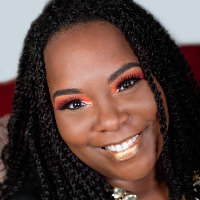
North Carolina · 30 yrs exp
Works with LGBT / Relationship / Family +14
Works by Acceptance and Commitment Therapy (ACT) / Attachment-Based Therapy
View Profile
Georgia · 25 yrs exp
Works with Stress, Anxiety / Parenting / Anger +16
Works by Attachment-Based Therapy / Client-Centered Therapy
View Profile
Mississippi · 36 yrs exp
Works with Family / Parenting / Anger +12
Works by Acceptance and Commitment Therapy (ACT) / Attachment-Based Therapy
View Profile
Florida · 28 yrs exp · 3 languages
Works with Stress, Anxiety / Addictions / Trauma and abuse +14
Works by Acceptance and Commitment Therapy (ACT) / Attachment-Based Therapy
View Profile
North Carolina · 8 yrs exp
Works with Stress, Anxiety / Trauma and abuse / Parenting +9
Works by Attachment-Based Therapy / Client-Centered Therapy
View Profile
Kentucky · 9 yrs exp
Works with Addictions / Relationship / Parenting +13
Works by Acceptance and Commitment Therapy (ACT) / Attachment-Based Therapy
View Profile
Texas · 35 yrs exp
Works with Stress, Anxiety / Relationship / Family +15
Works by Attachment-Based Therapy / Client-Centered Therapy
View Profile
North Dakota · 10 yrs exp
Works with Stress, Anxiety / Relationship / Family +11
Works by Somatic Therapy / Acceptance and Commitment Therapy (ACT)
View Profile
Kentucky · 15 yrs exp
Works with Stress, Anxiety / Relationship / Parenting +14
Works by Acceptance and Commitment Therapy (ACT) / Attachment-Based Therapy
View Profile
Florida · 20 yrs exp
Works with Stress, Anxiety / Relationship / Family +17
Works by Acceptance and Commitment Therapy (ACT) / Attachment-Based Therapy
View Profile
Montana · 20 yrs exp
Works with Stress, Anxiety / Addictions / Relationship +12
Works by Acceptance and Commitment Therapy (ACT) / Attachment-Based Therapy
View Profile
Florida · 5 yrs exp
Works with Addictions / Relationship / Self esteem +14
Works by Acceptance and Commitment Therapy (ACT) / Attachment-Based Therapy
View Profile
Texas · 39 yrs exp
Works with Stress, Anxiety / Relationship / Trauma and abuse +12
Works by Acceptance and Commitment Therapy (ACT) / Attachment-Based Therapy
View Profile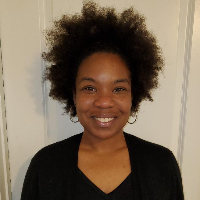
North Carolina · 15 yrs exp
Works with LGBT / Relationship / Family +8
Works by Attachment-Based Therapy / Client-Centered Therapy
View Profile
Florida · 16 yrs exp
Works with Stress, Anxiety / Relationship / Parenting +9
Works by Attachment-Based Therapy / Client-Centered Therapy
View Profile
Florida · 16 yrs exp
Works with Stress, Anxiety / Trauma and abuse / Grief +11
Works by Acceptance and Commitment Therapy (ACT) / Attachment-Based Therapy
View Profile
Arizona · 10 yrs exp
Works with Stress, Anxiety / Self esteem / Bipolar +11
Works by Acceptance and Commitment Therapy (ACT) / Attachment-Based Therapy
View Profile
Florida · 21 yrs exp
Works with Stress, Anxiety / Relationship / Trauma and abuse +14
Works by Attachment-Based Therapy / Cognitive Behavioral Therapy (CBT)
View Profile
Florida · 22 yrs exp
Works with Addictions / Relationship / Trauma and abuse +5
Works by Acceptance and Commitment Therapy (ACT) / Attachment-Based Therapy
View Profile
Illinois · 40 yrs exp
Works with Stress, Anxiety / Family / Parenting +10
Works by Attachment-Based Therapy / Client-Centered Therapy
View Profile
Mississippi · 51 yrs exp
Works with Stress, Anxiety / Relationship / Self esteem +16
Works by Acceptance and Commitment Therapy (ACT) / Attachment-Based Therapy
View Profile
Pennsylvania · 10 yrs exp
Works with Stress, Anxiety / Addictions / LGBT +15
Works by Acceptance and Commitment Therapy (ACT) / Attachment-Based Therapy
View Profile
Indiana · 43 yrs exp
Works with Stress, Anxiety / Relationship / Family +13
Works by Attachment-Based Therapy / Client-Centered Therapy
View Profile
Georgia · 7 yrs exp
Works with Stress, Anxiety / Trauma and abuse / Self esteem +11
Works by Acceptance and Commitment Therapy (ACT) / Attachment-Based Therapy
View Profile
Texas · 16 yrs exp
Works with Stress, Anxiety / Relationship / Family +14
Works by Somatic Therapy / Acceptance and Commitment Therapy (ACT)
View Profile
Georgia · 31 yrs exp
Works with Stress, Anxiety / Addictions / Trauma and abuse +12
Works by Acceptance and Commitment Therapy (ACT) / Attachment-Based Therapy
View Profile
Missouri · 12 yrs exp
Works with Stress, Anxiety / Relationship / Grief +11
Works by Acceptance and Commitment Therapy (ACT) / Attachment-Based Therapy
View Profile
Wisconsin · 20 yrs exp
Works with Stress, Anxiety / Relationship / Trauma and abuse +16
Works by Attachment-Based Therapy / Client-Centered Therapy
View Profile
Iowa · 31 yrs exp
Works with Addictions / LGBT / Trauma and abuse +4
Works by Acceptance and Commitment Therapy (ACT) / Attachment-Based Therapy
View Profile
New Mexico · 12 yrs exp
Works with Stress, Anxiety / Relationship / Self esteem +14
Works by Attachment-Based Therapy / Client-Centered Therapy
View Profile
Illinois · 40 yrs exp
Works with Stress, Anxiety / Grief / Self esteem +14
Works by Acceptance and Commitment Therapy (ACT) / Attachment-Based Therapy
View Profile
Florida · 40 yrs exp
Works with Stress, Anxiety / Addictions / Trauma and abuse +17
Works by Acceptance and Commitment Therapy (ACT) / Attachment-Based Therapy
View Profile
New York · 9 yrs exp · 2 languages
Works with Stress, Anxiety / LGBT / Relationship +2
Works by Attachment-Based Therapy / Client-Centered Therapy
View Profile
Illinois · 30 yrs exp
Works with Stress, Anxiety / Relationship / Anger +2
Works by Acceptance and Commitment Therapy (ACT) / Attachment-Based Therapy
View Profile
Texas · 20 yrs exp
Works with Addictions / Trauma and abuse / Grief +15
Works by Acceptance and Commitment Therapy (ACT) / Attachment-Based Therapy
View Profile
Connecticut · 9 yrs exp
Works with Stress, Anxiety / Relationship / Trauma and abuse +11
Works by Attachment-Based Therapy / Client-Centered Therapy
View Profile
Nevada · 17 yrs exp
Works with Stress, Anxiety / Addictions / Relationship +12
Works by Acceptance and Commitment Therapy (ACT) / Attachment-Based Therapy
View Profile
Utah · 11 yrs exp
Works with Stress, Anxiety / Addictions / Relationship +17
Works by Acceptance and Commitment Therapy (ACT) / Attachment-Based Therapy
View Profile
Wisconsin · 7 yrs exp
Works with Stress, Anxiety / Relationship / Family +8
Works by Attachment-Based Therapy / Client-Centered Therapy
View ProfileAttachment-Based Therapy is a relational approach that traces current emotional patterns and interpersonal responses back to the ways you formed bonds in early life. The idea is not to place blame but to identify how past caregiving experiences shaped expectations about safety, support and connection. These early patterns can influence how you manage stress, regulate emotions and relate to partners, family members and peers. In clinical practice, therapists who use Attachment-Based principles focus on the quality of the therapeutic relationship itself as a vehicle for change, using empathy, consistent responsiveness and reflective conversation to model healthier ways of relating.
When you work with an LCSW who brings an attachment perspective, you gain the benefit of social work training that takes a person-in-environment view. That means your clinician will generally consider your relationships alongside practical circumstances such as housing, employment, finances and community supports, rather than treating feelings or symptoms in isolation. Because LCSWs must complete a master of social work degree, a period of supervised post-graduate clinical experience and a state licensing exam, they practice under a state board that defines scope and renewal requirements. This background equips many LCSWs to integrate attachment-focused thinking with attention to the life context that affects you day to day.
Attachment work is commonly used for difficulties that have relational roots or that are maintained by repetitive patterns in close relationships. You might consider this approach if you struggle with chronic relationship problems, recurring conflict with romantic partners, difficulties bonding with a child or parent, or a persistent sense of loneliness despite social contact. Individuals often seek attachment-informed therapy for challenges with emotional regulation, low self-worth, trust issues, or patterns of avoidance and clinging that interfere with daily life.
The approach is also frequently applied to help people process past wounds such as loss, neglect or inconsistent caregiving, which can leave enduring expectations about how others will respond. Because LCSWs view clients within their broader environment, they can help you connect relational patterns to real-world stressors such as housing instability, work pressures or caregiving responsibilities. That combined lens helps you not only understand your attachment history but also examine how current circumstances may be reinforcing those patterns.
A typical session centers on the relationship between you and the therapist and on patterns that appear in your interactions with important people. Early sessions often involve establishing safety in the therapeutic relationship by exploring how you respond to closeness, rejection and emotional expression. Your clinician will listen for recurrent themes in how you describe relationships and will gently reflect on how those themes show up in the room during conversation.
Sessions blend exploration of past experiences with present-moment observation. Your therapist may encourage you to notice bodily sensations, emotional responses and recurring judgments about yourself or others as you recount interactions. This focus on here-and-now reactions helps you see automatic patterns rather than simply recounting past events. Over time, your therapist will aim to offer a corrective relational experience - consistent, attuned responses that differ from earlier attachment figures - so you can experiment with new ways of relating. Because LCSWs keep the person-in-environment frame in view, sessions may also address how external stressors affect your relationships and practical steps to reduce harmful pressures.
Attachment-Based Therapy shares elements with other relational and psychodynamic approaches but maintains particular emphasis on early bonds and the ongoing influence of attachment styles. Unlike approaches that focus predominantly on symptom reduction or skill-building, attachment-focused work prioritizes understanding the origin and function of your relational patterns and reshaping them through the therapeutic relationship itself. Cognitive approaches, for example, often center on identifying and changing thought patterns, whereas attachment work prioritizes relational experience and emotional regulation rooted in interpersonal history.
Compared with strictly behavioral methods, attachment-informed therapy spends more time exploring internal representations of self and others - the mental maps you carry from early interactions - and how those maps guide your expectations. That does not mean practical strategies are absent. Many clinicians blend attachment perspectives with communication skills, emotion regulation techniques and problem-solving so you gain both insight and tools. What distinguishes attachment work is its consistent attention to relational dynamics and how they are enacted in the therapy room as well as in your life.
You may be a good candidate for attachment-focused work if your primary concerns involve relationship patterns, difficulty trusting others, struggles with intimacy or recurring interpersonal conflict. People managing the emotional aftermath of early loss, inconsistent caregiving or attachment ruptures often find the approach helpful because it directly targets how those early experiences live on in present relationships. You might also seek attachment-informed therapy to improve parenting relationships, to understand how your own attachment history affects caregiving, or to work on repairing partnerships.
When you look for an LCSW who lists Attachment-Based Therapy among their approaches, consider the therapist's overall orientation and experience alongside practical factors such as languages spoken and years of clinical experience. Look for clinicians who emphasize relational work, mention experience with attachment themes, and describe how they integrate attention to life circumstances into treatment. Because LCSWs are trained to consider environmental and systemic factors, you can expect discussions that include not only emotional processes but also the social realities that shape them. In conversations or initial inquiries you might ask about how they handle crisis situations, how they balance insight with practical planning, and how they involve family members or partners when appropriate. These questions can help you identify someone whose way of working matches what you want from therapy.
Therapy effectiveness often depends on the relationship you form with your LCSW. It is reasonable to expect some sessions focused on narrative and history and others that attend to present-moment reactions and problem solving. The pace of change varies, and attachment work often involves revisiting difficult material while simultaneously building new relational experiences. Because LCSWs pay attention to the whole person-in-environment, therapy can lead to both emotional insight and practical changes that make daily life more manageable. As you consider options, prioritize clarity about goals, how the clinician conceptualizes attachment in daily life, and whether their approach feels respectful and responsive to your circumstances.
Alabama
26 therapists
Alaska
19 therapists
Arizona
115 therapists
Arkansas
68 therapists
California
989 therapists
Colorado
177 therapists
Connecticut
133 therapists
Delaware
42 therapists
District of Columbia
8 therapists
Florida
982 therapists
Georgia
268 therapists
Hawaii
39 therapists
Idaho
50 therapists
Illinois
450 therapists
Indiana
247 therapists
Iowa
9 therapists
Kansas
33 therapists
Kentucky
166 therapists
Louisiana
165 therapists
Maine
66 therapists
Maryland
29 therapists
Massachusetts
17 therapists
Michigan
43 therapists
Minnesota
16 therapists
Mississippi
86 therapists
Missouri
188 therapists
Montana
62 therapists
Nebraska
2 therapists
Nevada
71 therapists
New Hampshire
24 therapists
New Jersey
300 therapists
New Mexico
69 therapists
New York
659 therapists
North Carolina
441 therapists
North Dakota
12 therapists
Ohio
39 therapists
Oklahoma
87 therapists
Oregon
78 therapists
Pennsylvania
272 therapists
Rhode Island
4 therapists
South Carolina
45 therapists
South Dakota
2 therapists
Tennessee
134 therapists
Texas
617 therapists
Utah
121 therapists
Vermont
3 therapists
Virginia
232 therapists
Washington
20 therapists
West Virginia
9 therapists
Wisconsin
161 therapists
Wyoming
22 therapists