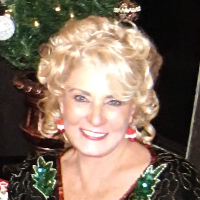
About Virginia
Dr. Virginia Clark helps people facing stress, anxiety, addiction, grief, trauma, depression, and relationship or intimacy concerns. She also supports those coping with sleeping or eating problems, parenting strain, career shifts, ADHD, and compassion fatigue.
Dr. Clark brings a calm, direct approach and practical steps that aim to make daily life feel more manageable. She has 40 years of experience and holds a Licensed Clinical Social Worker credential (LCSW).
Her background includes work with substance use and trauma-related issues alongside broader mental health care.
Background and approach
Sessions focus on clear goals and realistic skills you can use between meetings. Her style blends evidence-informed approaches in ways that fit each person. She may use Acceptance and Commitment Therapy to help people live by their values, Cognitive Behavioral Therapy to change unhelpful thoughts and behaviors, or Attachment-Based ideas to look at patterns in relationships.
Dialectical Behavior Therapy skills and Emotionally-Focused techniques are also part of her toolbox when helpful. In sessions she aims to be practical and straightforward. People can expect to talk through current problems, learn coping strategies, and practice new ways of handling emotions.
The work often includes homework and small experiments to try between sessions. Dr. Clark conducts therapy from Florida and offers a mix of video, phone, chat, and text-based sessions.
Conversations are done in English and her practice does not accept international clients. Information about scheduling and subscription-based sessions is available when someone begins the intake process.
Therapeutic approaches and online care
Dr. Clark commonly uses Acceptance and Commitment Therapy, which helps people clarify what matters to them and take small steps toward those values even when feelings are difficult. Cognitive Behavioral Therapy is used to identify and change unhelpful thoughts and behaviors so daily life becomes easier to manage. Attachment-Based Therapy looks at recurring relationship patterns and helps people shift how they connect with others.Finding the right approach is part of the work. The therapist will talk with each person about their needs, goals, and preferences and then choose or combine methods that fit. This is a collaborative process and plans are adjusted as progress is made.
Online sessions offer practical flexibility. Video calls allow face-to-face conversation when visual cues help, phone sessions can be quieter and use less bandwidth, and live chat or text-based messaging can suit quick check-ins or times when typing feels easier. These options make it simpler to fit therapy into a busy week and keep momentum between meetings.
Frequently asked questions
What concerns does she help with?
How would you describe the therapy style?
How much clinical experience does she have?
What credentials and location are listed?
In which language are sessions offered?
What session formats are available?
How are fees and payment handled?
What is the process to begin working together?
Specialties and expertise
Top specialties
Also works with
- Abandonment
- ADHD
- Aging and geriatric issues
- Anger management
- Attachment issues
- Bipolar disorder
- Body image
- Cancer
- Career difficulties
- Caregiver issues and stress
- Chronic pain, illness, and disability
- Coaching
- Codependency
- Communication problems
- Compassion fatigue
- Control issues
- Coping with life changes
- Dependent personality
- Depression
- Domestic violence
- Drug and alcohol addiction
- Eating disorders
- Family conflicts
- First responder issues
- Forgiveness
- Grief
- Guilt and shame
- Intimacy-related issues
- Jealousy
- LGBT
- Mood disorders
- Panic disorder and panic attacks
- Parenting issues
- Phobias
- Post-traumatic stress
- Relationship issues
- Self esteem
- Self-love
- Sleeping disorders
- Social anxiety and phobia
- Veteran and Armed Forces Issues
- Workplace issues
Therapeutic approaches
- Experience
- 40 years
- Licensed
- Florida
- Languages
- English