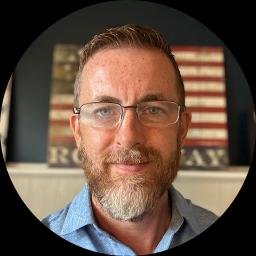
About Thomas
Thomas McClernon is a licensed clinical social worker (LCSW) who brings eight years of clinical experience to his practice in Pennsylvania. He focuses on practical help for stress, anxiety, trauma and abuse, anger, career concerns, depression, and grief. Thomas aims to make the first step easier for people who are worried or overwhelmed.
He draws on mindfulness practices to help people notice thoughts and feelings without being swept away by them.
Background and approach
He also uses cognitive behavioral ideas to identify unhelpful patterns and build different habits. Sessions are straightforward and focused on small changes that add up over time. Thomas creates a calm, nonjudgmental space for people to talk about painful experiences.
He works in outpatient, inpatient, and virtual settings, so he is used to different kinds of conversations and needs. He values empathy and clear communication during each session. Practical skills are paired with reflection.
That can mean learning breathing and grounding tools, practicing new ways to respond under stress, or setting doable steps toward a career or life change. He helps people test what works for them in daily life. People who are coping with illness, caregiving strain, family conflicts, or the end of life can bring those concerns into therapy.
Thomas also supports those dealing with attachment issues, chronic pain, and problems tied to family of origin. He speaks English and accepts international clients.
Therapeutic approaches you can use online
Acceptance and Commitment Therapy, or ACT, focuses on helping people notice what matters to them and commit to small actions toward those values while learning to sit with difficult thoughts. Cognitive Behavioral Therapy helps identify unhelpful thought and behavior patterns and replace them with more effective routines to reduce symptoms like anxiety or low mood.Finding the right approach is a collaborative process. The therapist works with each person to try methods that fit their goals and daily life, and adjusts the plan based on what helps. That teamwork makes it easier to pick practices people can actually use outside sessions.
Online sessions are offered by video calls, phone sessions, live chat, or text-based messaging to make therapy flexible. Video lets people use face-to-face conversation for deeper interaction. Phone sessions are helpful when bandwidth is limited or when someone prefers not to be on camera. Live chat and messaging can support brief check-ins, skill practice, and tracking progress between longer sessions.
Frequently asked questions
What concerns does this therapist help with?
What is his therapeutic style like?
How much clinical experience does he have?
What are his credentials and where is he based?
Which languages are supported and can he work internationally?
What session formats are available?
How are costs handled for sessions?
What do I do to begin working with him?
Specialties and expertise
Top specialties
- Stress, Anxiety
- Trauma and abuse
- Anger management
Also works with
- Aging and geriatric issues
- Attachment issues
- Blended family issues
- Cancer
- Career difficulties
- Caregiver issues and stress
- Chronic pain, illness, and disability
- Communication problems
- Control issues
- Depression
- Domestic violence
- Family of origin issues
- Family problems
- First responder issues
- Forgiveness
- Grief
- Guilt and shame
- Hospice and end-of-life counseling
- Impulsivity
- Isolation / loneliness
- Jealousy
- Life purpose
- Men's issues
- Midlife crisis
- Money and financial issues
- Mood disorders
- Multicultural concerns
- Panic disorder and panic attacks
- Post-traumatic stress
- Prejudice and discrimination
- Seasonal Affective Disorder (SAD)
- Self-love
- Social anxiety and phobia
- Workplace issues
Therapeutic approaches
- Experience
- 8 years
- Licensed
- Pennsylvania, Virginia, Delaware
- Languages
- English