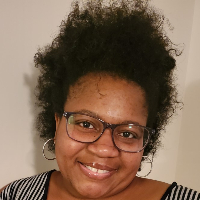
About Shalika
Shalika Eaddy-Henderson is a Licensed Clinical Social Worker who helps people facing stress, anxiety, depression, trauma, and relationship strain. She writes in plain terms and listens first, helping clients figure out what feels most urgent and manageable.
Sessions begin with whatever is most pressing for the client - a recent week, a tough hour, or a particular event - and then move into a shared plan. Shalika’s path to social work began in banking, where she noticed how financial pressure affects mood and daily life.
Background and approach
That experience led her to a Master of Social Work from Fordham University after earning a Master of Public Administration from the University of New Haven. She is completing a Doctorate in Social Work at Capella University and holds an NC LCSW (C011800). In sessions she takes a straightforward, client-centered approach.
She asks simple questions, listens closely, and adapts to each person’s pace. Practical tools from cognitive behavioral and mindfulness work can be introduced when they match a client’s needs. Her background includes about ten years in the field working with people affected by homelessness, substance use, and a range of life stressors.
That experience informs how she talks about coping, motivation, and changes people want to make. Shalika also draws on narrative techniques to help people make sense of their stories. She uses motivational interviewing to support readiness for change.
The emphasis is on small, manageable steps toward clearer thinking and steadier moods.
Approach-driven online care that fits your life
Client-centered therapy focuses on the person’s own goals and pace, with the therapist listening first and following what matters most. This approach helps people who need to sort through immediate stressors or who want a steady space to talk without being rushed.Cognitive Behavioral Therapy, or CBT, looks at how thoughts and behaviors connect and offers practical steps to change unhelpful patterns. It can help with anxiety, depression, panic, and help people build small habits that improve daily functioning. Mindfulness therapy teaches simple attention and breathing practices to reduce reactivity and calm the mind, useful for stress, panic, and rumination.
Finding the best approach is part of the work. The therapist will collaborate with each person to choose methods that match goals and comfort level. That may mean trying brief skills from CBT one week and working on personal narratives or motivation the next.
Online sessions use video calls, phone sessions, live chat, or text-based messaging to offer flexibility. Video is good for a fuller face-to-face conversation, while phone calls work well when bandwidth is limited or a quick check-in is needed. Live chat and messaging can suit shorter updates, journaling between sessions, or times when typing feels easier than speaking. These options make it easier to fit therapy around school, work, or family demands.
Frequently asked questions
What kinds of concerns can be addressed?
What is her therapy style like?
How much experience does she have?
Where is she licensed and based?
Which languages are supported?
What session formats are available?
How does pricing work?
How do I start therapy with her?
Specialties and expertise
Top specialties
Also works with
- Addictions
- ADHD
- Anger management
- Body image
- Communication problems
- Control issues
- Coping with life changes
- Depression
- Divorce and separation
- Domestic violence
- Family conflicts
- Family problems
- Fertility issues
- Forgiveness
- Guilt and shame
- Infidelity
- Isolation / loneliness
- Jealousy
- Mood disorders
- Panic disorder and panic attacks
- Pregnancy and childbirth
- Prejudice and discrimination
- Relationship issues
- Self-harm
- Self-love
- Sexuality
- Social anxiety and phobia
- Women's issues
- Young adult issues
Therapeutic approaches
- Experience
- 10 years
- Licensed
- North Carolina
- Languages
- English