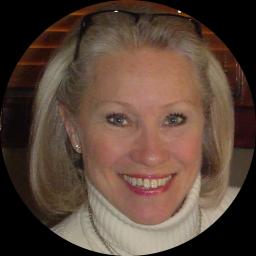
About Michaela
Dr. Michaela Hammer uses client-centered care as the starting point for therapy. She meets people where they are and builds treatment around their needs.
She draws on decades of experience to help during life transitions, grief, relationship strain, mood changes, and stress. Dr. Hammer holds a Licensed Clinical Social Worker credential and practices in Florida.
She frames change as a lived experience, not a list of symptoms. She helps people separate myths about aging, memory loss, and mood from what is actually happening.
Background and approach
Conversations are plain and practical, focused on steps that make daily life easier and more meaningful. Because memory concerns often follow her work, she offers assessments of cognitive functioning and memory. She does not simply give a label and leave; she shares research, resources, and next steps so clients can make informed choices.
Grief work is another area she emphasizes, including loss of pets. She recognizes that losing a four-legged family member can be devastating and offers focused support for that kind of bereavement. Her background spans community, schools, hospitals, retirement communities, and in-home visits across cultural and socioeconomic lines.
With 35 years of practice, she combines practical tools - like problem-focused strategies and motivational techniques - with a compassionate stance that honors each person’s story.
Approaches that fit modern life and online care
Client-Centered Therapy focuses on listening and understanding. The therapist follows the person’s lead, validates feelings, and helps clients decide which changes matter most. Cognitive Behavioral Therapy, or CBT, teaches practical ways to change unhelpful thoughts and behaviors, which can help with anxiety, depression, and mood shifts. Motivational Interviewing helps people find their own reasons for change and build momentum toward goals like better self-care or managing stress.Figuring out the right approach is part of the work. Dr. Hammer will collaborate with each person to try methods that match their needs, goals, and preferences. Together they review what’s helping and adjust course as needed so therapy stays useful and relevant.
Online sessions are offered as video calls, phone sessions, live chat, or text-based messaging to make therapy more flexible. Video lets people see facial cues and have longer conversations. Phone sessions are convenient when bandwidth or camera use is a concern. Live chat and text offer shorter check-ins and ongoing support between longer sessions. These options let people fit therapy into busy schedules, handle work breaks, or maintain contact while traveling.
Frequently asked questions
What concerns does this therapist help with?
What style of therapy does she use?
How much clinical experience does she have?
What are her credentials and where does she practice?
Which languages are sessions offered in?
Can people outside the country work with her?
What session formats are available?
How are fees and scheduling handled?
Specialties and expertise
Top specialties
- Relationship issues
- Grief
- Depression
Also works with
- ADHD
- Aging and geriatric issues
- Anger management
- Autism and Asperger Syndrome
- Bipolar disorder
- Career difficulties
- Caregiver issues and stress
- Communication problems
- Coping with life changes
- Coping with natural or human-caused disaster
- Divorce and separation
- Emptiness
- Family conflicts
- Family of origin issues
- Hospice and end-of-life counseling
- Infidelity
- Intimacy-related issues
- Isolation / loneliness
- Life purpose
- Midlife crisis
- Mood disorders
- Multicultural concerns
- Panic disorder and panic attacks
- Parenting issues
- Post-traumatic stress
- Prejudice and discrimination
- Seasonal Affective Disorder (SAD)
- Self esteem
- Sexual dysfunction
- Sexuality
- Social anxiety and phobia
- Stress, Anxiety
- Trauma and abuse
- Visually impaired
- Women's issues
- Young adult issues
Therapeutic approaches
- Experience
- 35 years
- Licensed
- Florida, New Mexico
- Languages
- English