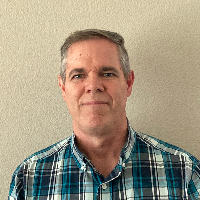
About Michael
Michael Ecuyer uses a client-centered approach that puts the person and their goals first. He combines practical talk with problem-solving steps to help people manage stress, anxiety, relationship pain, grief, addiction, and parenting challenges. Michael is a Licensed Clinical Social Worker - LCSW with 33 years of experience and practices from Texas.
He frames his work like life coaching combined with psychotherapy. Sessions often focus on clarifying what matters most and removing obstacles that get in the way of daily functioning.
Background and approach
He encourages straightforward conversation and steps you can try between meetings. Michael has spent decades helping people navigate relationship disappointments, intense stress, and difficult family changes. He also supports people facing medical challenges, grief after loss, substance issues, and career pressures.
His background includes work with blended family concerns, adoption and foster care matters, attachment and abandonment issues, and caregiver stress. Therapy sessions are adaptable to individual preference. He offers video calls, phone sessions, live chat, and text-based messaging so people can choose what fits their life.
He checks and responds to messages regularly and aims to keep contact consistent. People who work with Michael tend to focus on practical change and improved day-to-day coping. He blends cognitive and emotion-focused ideas with mindfulness and insight from longer-term psychodynamic thinking.
The result is an approach that is direct, warm, and oriented toward real-life outcomes.
Therapeutic approaches adapted for online work
Client-centered therapy focuses on listening and following your lead. The therapist uses this approach to help identify what you want to change and to prioritize your goals. Cognitive Behavioral Therapy, or CBT, looks at the thoughts and behaviors that keep problems going and offers practical exercises to change them. Emotionally-Focused Therapy concentrates on understanding emotions in relationships and helps people communicate needs more clearly.Choosing the right approach is a shared process. The therapist will ask about your goals, preferences, and what feels most useful. Together you will try methods, assess what helps, and adjust the plan so it fits your life and needs.
Online formats make regular work easier to fit into a busy schedule. Video calls allow face-to-face conversation and visual cues. Phone sessions can be a good low-bandwidth option or fit a shorter break. Live chat and text-based messaging let you check in between sessions or use written conversation when that feels most comfortable. These options increase flexibility and make it easier to keep consistent care when life gets busy.
Frequently asked questions
What concerns does he help with?
What is his therapeutic style like?
How long has he been practicing?
Where is he licensed and based?
Which languages are supported?
What session formats are available?
How is cost handled?
How do I begin working together?
Specialties and expertise
Top specialties
- Stress, Anxiety
- Relationship issues
- Family conflicts
Also works with
- Abandonment
- Addictions
- Adoption and foster care
- Anger management
- Attachment issues
- Blended family issues
- Cancer
- Career difficulties
- Caregiver issues and stress
- Chronic pain, illness, and disability
- Coaching
- Codependency
- Commitment issues
- Communication problems
- Compassion fatigue
- Control issues
- Coping with life changes
- Coping with natural or human-caused disaster
- Dependent personality
- Depression
- Divorce and separation
- Drug and alcohol addiction
- Emptiness
- Family of origin issues
- Family problems
- Fatherhood issues
- First responder issues
- Forgiveness
- Grief
- Guilt and shame
- Hospice and end-of-life counseling
- Impulsivity
- Infidelity
- Intimacy-related issues
- Isolation / loneliness
- Jealousy
- Life purpose
- Men's issues
- Midlife crisis
- Money and financial issues
- Mood disorders
- Obsessions, compulsions, and OCD
- Panic disorder and panic attacks
- Parenting issues
- Personality disorders
- Phobias
- Post-traumatic stress
- Process addiction (porn, exercise, gambling)
- Self esteem
- Self-love
- Social anxiety and phobia
- Trauma and abuse
- Traumatic brain injury
- Veteran and Armed Forces Issues
- Workplace issues
- Young adult issues
Therapeutic approaches
- Experience
- 33 years
- Licensed
- Texas
- Languages
- English