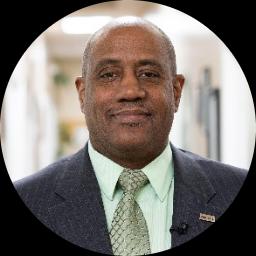
About Gary
Gary Bell is a licensed clinical social worker with decades of experience helping people navigate stress, anxiety, relationship concerns, family conflict, trauma, and abuse. He keeps conversations direct and practical so people can talk about what matters most. Gary aims to create a calm, nonjudgmental space where thoughts and feelings are heard and explored.
He has worked in the field for many years and draws on that background to guide people through hard moments.
Background and approach
That includes support for depression, grief, addictions, intimacy-related issues, and self-esteem problems. Gary also helps clients facing workplace strain, career crossroads, and compassion fatigue. His practice addresses a wide range of family-related concerns such as blended family challenges, fatherhood issues, caregiver stress, and communication breakdowns.
He also assists people dealing with infidelity, divorce and separation, and family of origin patterns that keep repeating. Gary works with clients managing medical and age-related life changes, including aging and geriatric issues and HIV/AIDS related concerns. He brings experience supporting first responders and people coping with impulsivity or bipolar mood patterns.
Sessions are straightforward and focused on practical next steps. Gary encourages small, achievable changes and clearer communication. He supports people as they test new ways of coping and relating to others.
Evidence-based approaches for online support
Gary uses evidence-based therapeutic techniques focused on practical change and clearer communication. One approach emphasizes identifying unhelpful patterns and testing small behavior changes to reduce anxiety, improve mood, and ease relationship strain. Another focuses on processing traumatic events in manageable steps so memories feel less overwhelming and daily functioning improves.Finding the right approach is a collaborative process. Gary will talk with a client about goals, preferences, and what has or hasn’t helped before. Together they pick techniques that fit the person’s life and adjust them as progress is made.
Online sessions are offered by video calls, phone sessions, live chat, or text-based messaging to make therapy more flexible. Video calls allow face-to-face conversation when that helps. Phone sessions can be easier when bandwidth is limited. Live chat and texting work well for shorter check-ins, reflections between sessions, or when typing feels more comfortable. These options let people fit therapy into work breaks, caregiving schedules, or busy days while keeping the focus on steady, practical progress.
Frequently asked questions
What kinds of problems does he help with?
What is his therapeutic style like?
How much experience does he have?
What are his credentials and where does he practice?
Are sessions offered in other languages or internationally?
What formats are available for sessions?
How does payment and cost work?
How do I begin working with him?
Specialties and expertise
Top specialties
- Stress, Anxiety
- Relationship issues
- Family conflicts
Also works with
- Addictions
- Aging and geriatric issues
- Bipolar disorder
- Blended family issues
- Career difficulties
- Caregiver issues and stress
- Codependency
- Communication problems
- Compassion fatigue
- Depression
- Divorce and separation
- Domestic violence
- Emptiness
- Family of origin issues
- Family problems
- Fatherhood issues
- First responder issues
- Grief
- HIV / AIDS
- Impulsivity
- Infidelity
- Intimacy-related issues
- Isolation / loneliness
- Jealousy
- LGBT
- Life purpose
- Money and financial issues
- Multicultural concerns
- Panic disorder and panic attacks
- Parenting issues
- Prejudice and discrimination
- Seasonal Affective Disorder (SAD)
- Self esteem
- Sexual assault and abuse
- Social anxiety and phobia
- Trauma and abuse
- Young adult issues
- Experience
- 36 years
- Licensed
- Pennsylvania, Nevada
- Languages
- English