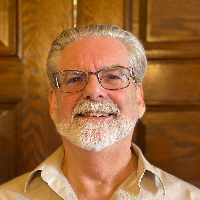
About Edward
Edward Falsey is a licensed clinical social worker with 25 years of experience helping people through hard life moments. He focuses on stress, anxiety, depression, trauma and abuse, addiction, grief, and relationship and family concerns. Edward aims for clear, practical work that people can use day to day.
He uses a mix of approaches to match each person’s needs. That can mean looking at early attachment patterns, using client-centered talking therapy, or applying cognitive behavioral techniques to change unhelpful thoughts and routines.
Background and approach
He also draws on mindfulness and hypnotherapy when those tools fit a client’s goals. Sessions tend to be straightforward and goal-oriented. Edward helps people build coping skills, improve communication, and manage intense emotions.
He offers tools for handling triggers, reducing worry, and facing grief in manageable steps. His practice includes additional focus areas such as abandonment issues, caregiver stress, codependency, blended family concerns, and problems that come from family of origin dynamics. He also supports people dealing with cancer, aging and geriatric matters, and recovery from domestic violence and substance use struggles.
Edward works in New York and conducts sessions in English. He brings long experience and a calm, direct style to sessions. People who want steady, practical support for life transitions and emotional challenges may find his approach helpful.
Therapeutic approaches adapted for online care
Edward uses attachment-based work to look at how early relationships influence present feelings and reactions; this helps when people struggle with trust, abandonment, or repeating relationship patterns. Client-centered therapy focuses on listening and following the person’s pace, creating a space to talk things through and identify what matters most. Cognitive Behavioral Therapy, or CBT, targets the thoughts and behaviors that keep problems going and offers clear skills for reducing anxiety and improving mood.Finding the right approach is part of the work. Edward collaborates with each person to choose methods that match their goals and preferences. He checks in as therapy unfolds and adapts techniques when something is not helping or when needs change.
Online sessions are offered by video call, phone, live chat, or text-based messaging to increase flexibility. Video calls work well for deeper conversations that benefit from seeing expressions. Phone sessions are useful when bandwidth is limited or a shorter check-in is needed. Live chat and text can fit busy days or ongoing support between longer sessions. These options make it easier to fit therapy into work and family schedules while using the approaches described above.
Frequently asked questions
What kinds of concerns does Edward address?
How would you describe his therapy style?
What is his background and experience?
Where is he located and what are his credentials?
Which languages are supported in sessions?
What session formats are available?
How does payment and cost work?
How do I begin working with him?
Specialties and expertise
Top specialties
- Stress, Anxiety
- Addictions
- Relationship issues
Also works with
- Abandonment
- Aging and geriatric issues
- Attachment issues
- Blended family issues
- Cancer
- Caregiver issues and stress
- Codependency
- Communication problems
- Coping with natural or human-caused disaster
- Depression
- Dissociation
- Divorce and separation
- Domestic violence
- Drug and alcohol addiction
- Family conflicts
- Family of origin issues
- Family problems
- Fatherhood issues
- Forgiveness
- Grief
- Guilt and shame
- Infidelity
- Isolation / loneliness
- LGBT
- Men's issues
- Mood disorders
- Obsessions, compulsions, and OCD
- Process addiction (porn, exercise, gambling)
- Seasonal Affective Disorder (SAD)
- Sex addiction
- Sexual dysfunction
- Sexuality
- Social anxiety and phobia
- Trauma and abuse
Therapeutic approaches
- Experience
- 25 years
- Licensed
- New York
- Languages
- English