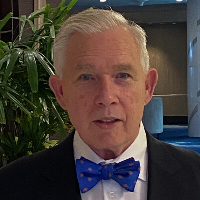
About John
John Jamieson is a licensed clinical social worker in Florida with 40 years of experience. He uses a compassionate, person-focused style to help people facing stress, anxiety, addictions, trauma, grief, and eating concerns. John aims to create a straightforward and supportive space where people can talk through painful experiences and find practical steps forward.
He works with people who have faced prejudice and discrimination and those dealing with gender dysphoria or HIV / AIDS.
Background and approach
Communication problems, guilt and shame, forgiveness, and questions about life purpose are also common topics in his practice. He brings long experience helping people process post-traumatic stress and relationship problems such as infidelity or non-monogamous arrangements. John blends several approaches to match each person's needs.
He draws on cognitive behavioral ideas to spot unhelpful thinking patterns and on acceptance-based methods to build values-based action. He also uses client-centered listening and existential reflection to help people clarify meaning and personal goals. Sessions are aimed at clear, practical progress.
Conversations often include goal-setting, skills practice, and checking what is or isn’t working. John keeps language plain and puts decisions about pace and focus in the client’s hands. He is licensed as an LCSW - Licensed Clinical Social Worker - in Florida (FL LCSW SW1531).
Sessions are offered in English and available through video calls, phone, live chat, or text-based messaging.
Therapeutic approaches for online care
John often combines Acceptance and Commitment Therapy and Cognitive Behavioral Therapy when working online. Acceptance and Commitment Therapy (ACT) focuses on clarifying personal values and taking small, meaningful steps toward them while learning to accept difficult thoughts and feelings. Cognitive Behavioral Therapy (CBT) looks at patterns of thinking and behavior, and teaches practical techniques to shift unhelpful habits and reduce symptoms.Choosing the right approach is part of the process. The therapist works together with each person to identify goals, try different methods, and adjust the plan based on what helps most. That collaborative stance makes it easier to tailor sessions to personal needs and preferences.
Online formats include video calls, phone sessions, live chat, and text-based messaging. Video calls allow face-to-face conversation and screen-sharing for worksheets. Phone sessions can fit into a busy day or use less bandwidth. Live chat and text-based messaging are useful for short check-ins, skills practice, or when writing feels easier than speaking. These options make therapy more flexible and let people find what works for their schedule and communication style.
Frequently asked questions
What concerns does John commonly address?
What kind of therapy style can I expect?
How much experience does he bring?
What are his credentials and where is he based?
In which languages are sessions offered?
Which session formats are available?
How does payment and cost work?
What should I do to get started?
Specialties and expertise
Top specialties
Also works with
- Communication problems
- Eating disorders
- Forgiveness
- Gender dysphoria
- Grief
- Guilt and shame
- HIV / AIDS
- Infidelity
- Life purpose
- Polyamory / non-monogamous relationships
- Post-traumatic stress
- Prejudice and discrimination
- Relationship issues
- Trauma and abuse
- Veteran and Armed Forces Issues
Therapeutic approaches
- Experience
- 40 years
- Licensed
- Florida
- Languages
- English