
Velma Jones, LCSW
New York · 29 yrs exp
Works with Stress, Anxiety / Relationship / Trauma and abuse +11
Works by Attachment-Based Therapy / Client-Centered Therapy
View ProfileThe therapist listings are provided by BetterHelp and we will earn a commission if you use our link - at no cost to you.
Find licensed LCSW therapists who list aging and geriatric issues as a specialty on this page. Browse the listings below to review each clinician's focus areas, approaches, credentials, languages, and experience.
New York · 29 yrs exp
Works with Stress, Anxiety / Relationship / Trauma and abuse +11
Works by Attachment-Based Therapy / Client-Centered Therapy
View Profile
Colorado · 19 yrs exp · 2 languages
Works with Stress, Anxiety / Relationship / Trauma and abuse +13
Works by Somatic Therapy / Acceptance and Commitment Therapy (ACT)
View Profile
Oregon · 26 yrs exp
Works with Stress, Anxiety / Trauma and abuse / Grief +11
Works by Somatic Therapy / Acceptance and Commitment Therapy (ACT)
View Profile
New York · 25 yrs exp · 2 languages
Works with Stress, Anxiety / Addictions / Trauma and abuse +12
Works by Client-Centered Therapy / Cognitive Behavioral Therapy (CBT)
View Profile
Missouri · 16 yrs exp
Works with Stress, Anxiety / Trauma and abuse / Self esteem +13
Works by Client-Centered Therapy / Cognitive Behavioral Therapy (CBT)
View Profile
Mississippi · 23 yrs exp
Works with Stress, Anxiety / Grief / Anger +9
Works by Cognitive Behavioral Therapy (CBT) / Mindfulness Therapy
View Profile
Florida · 10 yrs exp
Works with Stress, Anxiety / Addictions / Family +9
Works by Client-Centered Therapy / Cognitive Behavioral Therapy (CBT)
View Profile
Texas · 21 yrs exp
Works with Stress, Anxiety / Relationship / Trauma and abuse +16
Works by Acceptance and Commitment Therapy (ACT) / Client-Centered Therapy
View Profile
Illinois · 25 yrs exp
Works with Stress, Anxiety / Self esteem / Career +11
Works by Client-Centered Therapy / Cognitive Behavioral Therapy (CBT)
View Profile
Florida · 30 yrs exp
Works with Stress, Anxiety / Relationship / Intimacy-related issues +9
Works by Client-Centered Therapy / Cognitive Behavioral Therapy (CBT)
View Profile
New Jersey · 8 yrs exp
Works with Stress, Anxiety / Relationship / Trauma and abuse +15
Works by Acceptance and Commitment Therapy (ACT) / Attachment-Based Therapy
View Profile
Tennessee · 35 yrs exp
Works with Stress, Anxiety / Grief / Self esteem +9
Works by Acceptance and Commitment Therapy (ACT) / Client-Centered Therapy
View Profile
Virginia · 31 yrs exp
Works with Stress, Anxiety / Relationship / Family +13
Works by Attachment-Based Therapy / Client-Centered Therapy
View Profile
North Carolina · 30 yrs exp
Works with LGBT / Relationship / Family +14
Works by Acceptance and Commitment Therapy (ACT) / Attachment-Based Therapy
View Profile
Georgia · 25 yrs exp
Works with Stress, Anxiety / Parenting / Anger +16
Works by Attachment-Based Therapy / Client-Centered Therapy
View Profile
Texas · 20 yrs exp
Works with Stress, Anxiety / Addictions / Family +16
Works by Client-Centered Therapy / Cognitive Behavioral Therapy (CBT)
View Profile
Florida · 10 yrs exp
Works with Stress, Anxiety / Trauma and abuse / Grief +13
Works by Client-Centered Therapy / Cognitive Behavioral Therapy (CBT)
View Profile
Michigan · 24 yrs exp
Works with Stress, Anxiety / Addictions / Relationship +2
Works by Client-Centered Therapy / Cognitive Behavioral Therapy (CBT)
View Profile
Delaware · 28 yrs exp · 2 languages
Works with Stress, Anxiety / Family / Self esteem +12
Works by Acceptance and Commitment Therapy (ACT) / Client-Centered Therapy
View Profile
Arkansas · 44 yrs exp
Works with Stress, Anxiety / Trauma and abuse / Grief +17
Works by Acceptance and Commitment Therapy (ACT) / Client-Centered Therapy
View Profile
California · 20 yrs exp
Works with Stress, Anxiety / Relationship / Family +16
Works by Cognitive Behavioral Therapy (CBT) / Motivational Interviewing
View Profile
Missouri · 35 yrs exp
Works with Stress, Anxiety / Trauma and abuse / Anger +14
Works by Acceptance and Commitment Therapy (ACT) / Client-Centered Therapy
View Profile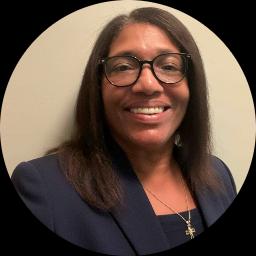
Mississippi · 36 yrs exp
Works with Family / Parenting / Anger +12
Works by Acceptance and Commitment Therapy (ACT) / Attachment-Based Therapy
View Profile
Florida · 28 yrs exp · 3 languages
Works with Stress, Anxiety / Addictions / Trauma and abuse +14
Works by Acceptance and Commitment Therapy (ACT) / Attachment-Based Therapy
View Profile
Florida · 20 yrs exp
Works with Stress, Anxiety / Trauma and abuse / Grief +13
Works by Client-Centered Therapy / Cognitive Behavioral Therapy (CBT)
View Profile
Missouri · 25 yrs exp
Works with Stress, Anxiety / Addictions / Parenting +13
Works by Client-Centered Therapy / Cognitive Behavioral Therapy (CBT)
View Profile
Colorado · 15 yrs exp
Works with Stress, Anxiety / Grief / Depression +11
Works by Acceptance and Commitment Therapy (ACT) / Client-Centered Therapy
View Profile
Wyoming · 14 yrs exp
Works with Addictions / Relationship / Depression +12
Works by Client-Centered Therapy / Cognitive Behavioral Therapy (CBT)
View Profile
North Carolina · 8 yrs exp
Works with Stress, Anxiety / Trauma and abuse / Parenting +9
Works by Attachment-Based Therapy / Client-Centered Therapy
View Profile
New York · 25 yrs exp · 2 languages
Works with Stress, Anxiety / Grief / Anger +7
Works by Client-Centered Therapy / Cognitive Behavioral Therapy (CBT)
View Profile
Connecticut · 24 yrs exp
Works with Stress, Anxiety / Relationship / Grief +12
Works by Client-Centered Therapy / Cognitive Behavioral Therapy (CBT)
View Profile
Florida · 40 yrs exp
Works with Addictions / Relationship / Grief +14
Works by Cognitive Behavioral Therapy (CBT) / Psychodynamic Therapy
View Profile
Texas · 35 yrs exp
Works with Stress, Anxiety / Relationship / Family +15
Works by Attachment-Based Therapy / Client-Centered Therapy
View Profile
California · 22 yrs exp
Works with Stress, Anxiety / Self esteem / Depression +3
Works by Client-Centered Therapy / Cognitive Behavioral Therapy (CBT)
View Profile
Florida · 32 yrs exp
Works with Stress, Anxiety / Trauma and abuse / Grief +15
Works by Acceptance and Commitment Therapy (ACT) / Client-Centered Therapy
View Profile
North Dakota · 10 yrs exp
Works with Stress, Anxiety / Relationship / Family +11
Works by Somatic Therapy / Acceptance and Commitment Therapy (ACT)
View Profile
Texas · 25 yrs exp
Works with Relationship / Family / Self esteem +2
View Profile
New York · 25 yrs exp
Works with Stress, Anxiety / Relationship / Family +16
Works by Acceptance and Commitment Therapy (ACT) / Client-Centered Therapy
View Profile
Florida · 19 yrs exp
Works with Stress, Anxiety / Trauma and abuse / Grief +10
Works by Client-Centered Therapy / Cognitive Behavioral Therapy (CBT)
View Profile
Florida · 5 yrs exp
Works with Addictions / Relationship / Self esteem +14
Works by Acceptance and Commitment Therapy (ACT) / Attachment-Based Therapy
View Profile
Colorado · 23 yrs exp
Works with Stress, Anxiety / Family / Trauma and abuse +10
Works by Psychodynamic Therapy
View Profile
Arizona · 40 yrs exp
Works with Stress, Anxiety / LGBT / Relationship +11
Works by Client-Centered Therapy / Cognitive Behavioral Therapy (CBT)
View Profile
Florida · 16 yrs exp
Works with Stress, Anxiety / Relationship / Parenting +9
Works by Attachment-Based Therapy / Client-Centered Therapy
View Profile
Missouri · 35 yrs exp
Works with Stress, Anxiety / Relationship / Family +12
Works by Client-Centered Therapy / Cognitive Behavioral Therapy (CBT)
View Profile
Missouri · 25 yrs exp · 2 languages
Works with Anger / Self esteem / Depression +16
Works by Somatic Therapy / Client-Centered Therapy
View Profile
Florida · 16 yrs exp
Works with Stress, Anxiety / Trauma and abuse / Grief +11
Works by Acceptance and Commitment Therapy (ACT) / Attachment-Based Therapy
View Profile
Arizona · 10 yrs exp
Works with Stress, Anxiety / Self esteem / Bipolar +11
Works by Acceptance and Commitment Therapy (ACT) / Attachment-Based Therapy
View Profile
Hawaii · 32 yrs exp
Works with Stress, Anxiety / Relationship / Trauma and abuse +13
Works by Cognitive Behavioral Therapy (CBT) / Dialectical Behavior Therapy (DBT)
View ProfileAging and geriatric issues span the emotional, social, and practical challenges that commonly arise as people grow older. These concerns can include managing loss and grief, coping with chronic health changes, navigating shifts in mobility or independence, addressing family role changes, and planning for long-term care. The experience of aging is shaped by a person-in-environment perspective, which means that a clinician will look not only at thoughts and feelings, but also at housing, finances, caregiving networks, access to services, community resources, and other external factors that affect daily life. That wider lens is a central reason some people specifically seek an LCSW.
A Licensed Clinical Social Worker holds a master’s degree in social work and has completed a state-set period of supervised post-graduate clinical experience - commonly around two to three years and several thousand hours, although exact requirements vary by state. Candidates also pass a clinical licensing examination before receiving a license from their state board. Because licensure is regulated at the state level, scope of practice and the specific use of the LCSW title can differ. This directory lists clinicians who hold the LCSW license; it does not indicate training in any particular therapeutic modality.
You might consider seeking an LCSW when age-related changes begin to affect quality of life or daily functioning. Common signals include prolonged or worsening low mood, anxiety about health or caregiving, persistent sleep problems tied to life transitions, difficulty adjusting after the loss of a partner or close friend, or strained family relationships related to care decisions. You may also look for help if practical problems - such as difficulty arranging home care, managing medical appointments, or navigating benefits and housing options - are becoming overwhelming. An LCSW’s combination of clinical skills and attention to external supports makes them well suited to address both emotional concerns and the system-level issues that often accompany aging.
If cognitive changes are a concern, an LCSW can help with coping strategies, planning, and coordinating with medical providers, while recognizing that cognitive decline may require medical assessment. Similarly, when caregiving responsibilities create stress, an LCSW can work with you or a family to explore role adjustments, respite options, and communication strategies that reduce strain and improve day-to-day functioning.
When you meet with an LCSW who focuses on aging, early sessions typically involve a broad assessment of your situation. This includes discussing emotional concerns, medical history or treatments that affect mood and functioning, living arrangements, family dynamics, and practical needs like transportation or financial management. The LCSW may ask about social supports, daily routines, and any legal or safety considerations so that care can address both personal goals and environmental factors.
Therapeutic work may blend short-term problem solving with longer-term support for acceptance, meaning, and role transitions. Sessions can include conversations about coping with loss, adjusting to physical limitations, improving communication with family members, and planning for future care preferences. Many LCSWs also help coordinate referrals to community services, elder care programs, and legal or financial advisors when those resources are needed. You should expect sessions to balance emotional processing with practical planning, and to be paced according to your needs and energy.
There is a range of clinical approaches that LCSWs may list among their methods when working with older adults. You will find therapists who list cognitive behavioral techniques to address mood or anxiety symptoms, narrative approaches to help make sense of life transitions, and supportive psychotherapy to manage stress and adjustment. Some clinicians list meaning-centered or life review methods to assist with legacy, purpose, and reconciling life changes. Therapists who work with families may list family systems approaches to improve communication and decision-making around care.
Beyond talk-based approaches, many LCSWs emphasize practical supports. That can include care coordination, referrals to home health or community-based programs, benefit navigation, and crisis planning. If you are exploring options related to dementia care, hospice, or long-term services, you may encounter clinicians who list experience with those topics. When reviewing listings, note that stating an approach does not certify a specific training; listings reflect what clinicians identify as areas of focus or interest, so you may want to ask about how they apply those methods in practice.
Online sessions can be a practical option for many older adults, especially when mobility, transportation, or geographic distance limit access to in-person care. Virtual sessions typically occur via video calls or phone and can be scheduled for shorter or longer blocks depending on your needs. Many clinicians also use video to include family members or caregivers in sessions when coordination or joint planning is helpful. If technology is a barrier, some LCSWs can suggest simple setups or guide a caregiver in connecting, and other clinicians may blend remote sessions with in-person community visits when appropriate.
When thinking about online care, consider how comfortable you are with video or phone conversations, whether you will want others present in the session, and how you prefer to handle paperwork and billing. Privacy protections and professional standards apply to telehealth, and you can ask an LCSW about the specific measures they use to protect your information. Online work can make it easier to connect frequently during transitions, to include distant family members, and to access clinicians who specialize in geriatric issues even if those clinicians are not in your immediate area.
When you review listings, focus on indicators that match your priorities. Look for clinicians who list experience with the specific issues you face - for example, caregiver support, bereavement, dementia-related behaviors, chronic illness adjustment, or end-of-life planning. Note the languages a clinician speaks if that matters to you, and consider how much experience they describe working with older adults versus general adult practice. Because LCSW is a licensed clinical credential, you can expect a mix of clinical and systems-oriented skills, but individual clinicians vary in how they balance counseling with care coordination.
It can be helpful to think about practical preferences as well - whether you prefer in-person or remote work, whether you want a clinician who regularly includes family members, and whether you need someone who will help connect you to local resources. Be prepared to ask potential therapists about their approach to topics you care about, how they involve caregivers, and what typical session goals might look like. Comparing focus areas, approaches, credentials, languages, and experience will give you a clearer sense of fit and help you find an LCSW whose strengths align with the challenges you are addressing.
Finally, remember that finding the right clinician can take time. Your needs may change as you move through transitions, and an LCSW’s person-in-environment perspective means the emphasis may shift between emotional support and practical problem solving depending on what will help improve daily life. Use the listings below to explore options and to identify clinicians who describe the kinds of experience and focus that matter most to you.
Alabama
26 therapists
Alaska
19 therapists
Arizona
115 therapists
Arkansas
68 therapists
California
989 therapists
Colorado
177 therapists
Connecticut
133 therapists
Delaware
42 therapists
District of Columbia
8 therapists
Florida
982 therapists
Georgia
268 therapists
Hawaii
39 therapists
Idaho
50 therapists
Illinois
450 therapists
Indiana
247 therapists
Iowa
9 therapists
Kansas
33 therapists
Kentucky
166 therapists
Louisiana
165 therapists
Maine
66 therapists
Maryland
29 therapists
Massachusetts
17 therapists
Michigan
43 therapists
Minnesota
16 therapists
Mississippi
86 therapists
Missouri
188 therapists
Montana
62 therapists
Nebraska
2 therapists
Nevada
71 therapists
New Hampshire
24 therapists
New Jersey
300 therapists
New Mexico
69 therapists
New York
659 therapists
North Carolina
441 therapists
North Dakota
12 therapists
Ohio
39 therapists
Oklahoma
87 therapists
Oregon
78 therapists
Pennsylvania
272 therapists
Rhode Island
4 therapists
South Carolina
45 therapists
South Dakota
2 therapists
Tennessee
134 therapists
Texas
617 therapists
Utah
121 therapists
Vermont
3 therapists
Virginia
232 therapists
Washington
20 therapists
West Virginia
9 therapists
Wisconsin
161 therapists
Wyoming
22 therapists