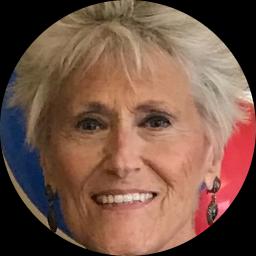
About Vicki
Vicki Budd-Darby uses a client-centered approach to guide people through hard moments. She is a licensed clinical social worker with 30 years of experience and works from Missouri. Her style is straightforward and compassionate, focused on helping people feel heard and find practical ways to cope.
She helps with addiction and substance concerns, trauma and abuse, and relationship problems. She also supports people facing grief, anxiety, stress, low self-esteem, and major life changes.
Background and approach
Issues around intimacy, parenting, caregiving stress, and codependency are also within her focus. Vicki draws on psychodynamic ideas to look at patterns that started in the past and still cause pain today. She uses trauma-focused techniques when events have left someone feeling stuck or unsafe inside their own life.
Sessions are shaped by what each person needs most in the moment. In a typical meeting she listens for what feels most urgent, then helps people try small, doable steps to change how they respond to stress. Conversations are plain and practical; the goal is clearer thinking and steadier moods.
She also offers coaching-style guidance for people who want concrete plans. Clients can expect a steady presence and a focus on building coping skills over time. Vicki supports exploration of difficult emotions like shame, guilt, and emptiness while also working toward stronger relationships and better daily functioning.
Her practice aims to help people rebuild connection and a sense of agency.
Therapeutic approaches for online recovery and growth
Vicki works with client-centered methods that put each person's goals first. This approach focuses on listening closely, reflecting what matters most, and helping people find their own solutions to stress, anxiety, relationship strains, or life changes.She also uses psychodynamic ideas to help uncover patterns that began earlier in life and still affect current relationships and choices. This can help people see repeated behaviors and make different decisions going forward. When past events have caused lasting harm, she draws on trauma-focused therapy to address symptoms and build coping tools that reduce distress and improve day-to-day functioning.
Finding the right approach is a shared process. The therapist will talk with the client about needs, goals, and preferences, and then try methods that fit. Plans are adjusted over time based on how someone responds and what feels most helpful.
Online formats make it easier to fit therapy into busy lives. Video calls work well for visual connection and in-depth work. Phone sessions use less bandwidth and can be simpler to schedule. Live chat and text-based messaging are useful for quick check-ins, short coaching moments, or when someone prefers not to be on camera. These options provide flexibility so people can keep progress steady while managing everyday demands.
Frequently asked questions
What kinds of problems does this therapist help with?
What is the therapist's approach to sessions?
How long has this therapist been practicing?
Where is the therapist licensed and based?
Can I work with this therapist if I live outside the United States?
What session formats are offered?
How are fees and subscriptions handled?
How do I begin therapy with this clinician?
Specialties and expertise
Top specialties
- Addictions
- Relationship issues
- Trauma and abuse
Also works with
- Abandonment
- Aging and geriatric issues
- Anger management
- Attachment issues
- Caregiver issues and stress
- Coaching
- Codependency
- Commitment issues
- Communication problems
- Compassion fatigue
- Control issues
- Coping with life changes
- Coping with natural or human-caused disaster
- Dependent personality
- Depression
- Domestic violence
- Drug and alcohol addiction
- Emptiness
- Family conflicts
- Family of origin issues
- First responder issues
- Forgiveness
- Grief
- Guilt and shame
- Hospice and end-of-life counseling
- Intimacy-related issues
- Isolation / loneliness
- Jealousy
- LGBT
- Men's issues
- Midlife crisis
- Obsessions, compulsions, and OCD
- Parenting issues
- Post-traumatic stress
- Prejudice and discrimination
- Process addiction (porn, exercise, gambling)
- Self esteem
- Self-love
- Sex addiction
- Sexual assault and abuse
- Sexuality
- Stress, Anxiety
- Women's issues
- Young adult issues
Therapeutic approaches
- Experience
- 30 years
- Licensed
- Missouri
- Languages
- English