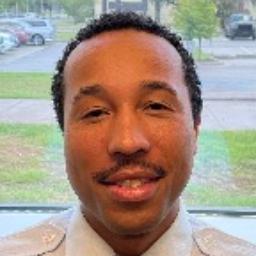
About Tyerell
Tyerell Dotson is a licensed clinical social worker (LCSW) based in Virginia with five years of experience. He focuses on helping people manage stress, anxiety, depression, and trauma. He also supports people dealing with relationship strain, grief, sleep problems, anger, and addictive behaviors.
He uses straightforward, collaborative work in sessions. He treats therapy as a team effort and helps clients set practical goals. Sessions include talking through problems, building coping skills, and practicing new ways of responding to difficult situations.
Background and approach
Dotson draws on approaches such as Acceptance and Commitment Therapy, Cognitive Behavioral Therapy, and client-centered methods. He pairs these approaches with mindfulness and motivational strategies to help people stay engaged with change. The focus is on small, doable steps rather than long lists of tasks.
People come to him for a range of concerns, including caregiver stress, aging issues, first responder struggles, financial stress, and post-traumatic stress. He addresses feelings like guilt, shame, isolation, and low self-worth with practical tools and clear next steps. Sessions are offered by video, phone, live chat, or text messaging to fit different schedules.
To begin, a short questionnaire is completed and a time is scheduled based on availability. Dotson aims to offer steady support as people work toward clearer routines and healthier responses to life’s challenges.
How therapeutic approaches fit into online care
Acceptance and Commitment Therapy (ACT) focuses on helping people notice unhelpful thoughts and choose actions that match their values. It can help with anxiety, depression, and living through major life changes. Cognitive Behavioral Therapy (CBT) looks at the links between thoughts, feelings, and behaviors and gives practical tools to change patterns that keep problems going. Client-Centered Therapy emphasizes understanding and acceptance from the therapist so people can find their own solutions and build confidence.Finding the right approach is part of the work. The therapist will collaborate with each person to figure out which methods fit their goals and preferences. Plans can be adjusted over time so the approach matches how someone is responding and what they need next.
Online formats include video calls, phone sessions, live chat, and text-based messaging. Video is useful for longer sessions and teaching new skills. Phone sessions can be easier when bandwidth is limited or when a camera is not wanted. Live chat and text messaging work well for quick check-ins, shorter reflections, or keeping momentum between longer sessions. These options make it easier to fit therapy into busy schedules and to keep consistent contact with a licensed professional.
Frequently asked questions
What kinds of problems does he address?
What is his style in therapy?
How much experience does he have?
What are his credentials and where is he based?
Which languages are sessions offered in?
Can people outside the U.S. work with him?
What session formats are available?
How are costs handled and how do I begin?
Specialties and expertise
Top specialties
Also works with
- Addictions
- Aging and geriatric issues
- Anger management
- Caregiver issues and stress
- Commitment issues
- Communication problems
- Control issues
- Coping with life changes
- Depression
- Domestic violence
- Family conflicts
- First responder issues
- Grief
- Guilt and shame
- Infidelity
- Isolation / loneliness
- Men's issues
- Money and financial issues
- Mood disorders
- Post-traumatic stress
- Prejudice and discrimination
- Relationship issues
- Self-love
- Sexual assault and abuse
- Sleeping disorders
- Veteran and Armed Forces Issues
- Workplace issues
Therapeutic approaches
- Experience
- 5 years
- Licensed
- Virginia
- Languages
- English