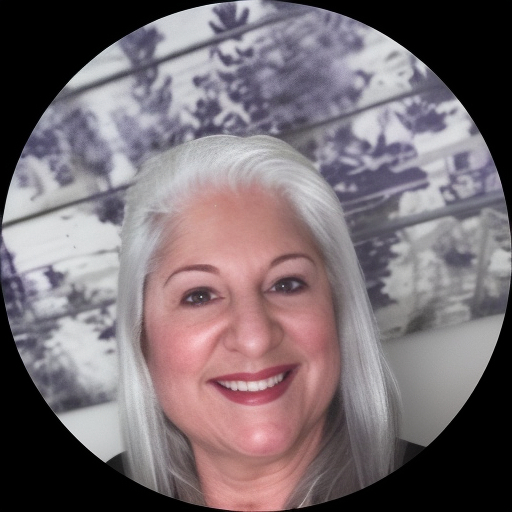
About Sarah
Sarah Bachmaier is a Florida-licensed clinical social worker with nine years of experience helping people manage stress, anxiety, trauma, grief, and depression. She meets each person where they are and focuses on practical steps that fit into daily life. Her approach centers on listening, tracking goals, and building on the client’s own strengths.
Sarah uses evidence-informed methods in sessions to address traumatic memories and motivation for change. She explains techniques plainly and helps clients decide which approach feels right.
Background and approach
Sessions are paced to match what the client can handle, with attention to feeling safe during difficult topics. Common concerns she addresses include abandonment, body image, codependency, and struggles with self-worth. She also supports people coping with chronic illness, caregiver stress, substance issues, and relationship problems such as infidelity and communication breakdowns.
Sarah works to reduce isolation and help people reconnect to values and purpose. In therapy she blends practical problem-solving with space to process emotions. Expect short-term goals and skills you can try between sessions, plus thoughtful review of progress.
She frames each step as a collaboration rather than a fixed plan. Sarah holds the LCSW credential, which indicates licensure to practice as a clinical social worker in Florida. She offers sessions in English and uses a mix of video, phone, chat, and messaging formats to fit different schedules and needs.
EMDR and Motivational Interviewing for online therapy
EMDR, or Eye Movement Desensitization and Reprocessing, uses guided attention to help process distressing memories and reduce their emotional intensity. It is often used when traumatic events or painful memories keep returning and interfere with daily life.Motivational Interviewing is a collaborative conversation style that helps people find and strengthen their reasons for change. It is useful for shifting habits, addressing substance use, and building motivation to reach personal goals.
Choosing the right approach is a team effort. The therapist will talk with the client about goals, concerns, and what feels most manageable. Together they will try methods that match pace and comfort, adjusting as progress is made.
Online therapy formats include video calls, phone sessions, live chat, and text-based messaging. Video calls let people see facial cues for deeper conversation. Phone sessions can be lower-bandwidth and easier to fit into a break at work. Live chat and messaging work well for brief check-ins, daily skill practice, or when writing thoughts feels clearer. These options make scheduling more flexible and help therapy fit into busy lives.
Frequently asked questions
What issues does Sarah commonly help with?
What is her therapeutic style like?
How much experience does she have?
What credentials and location apply?
Can sessions be held in other languages or for international clients?
Which session formats are available?
How does cost and payment work?
What are the first steps to begin?
Specialties and expertise
Top specialties
Also works with
- Abandonment
- Body image
- Caregiver issues and stress
- Chronic pain, illness, and disability
- Codependency
- Communication problems
- Control issues
- Depression
- Domestic violence
- Drug and alcohol addiction
- Emptiness
- Guilt and shame
- Infidelity
- Isolation / loneliness
- Life purpose
- Midlife crisis
- Multicultural concerns
- Panic disorder and panic attacks
- Post-traumatic stress
- Pregnancy and childbirth
- Prejudice and discrimination
- Self esteem
- Self-love
- Sexual assault and abuse
- Sexuality
- Social anxiety and phobia
- Women's issues
- Workplace issues
Therapeutic approaches
- Experience
- 9 years
- Licensed
- Florida
- Languages
- English