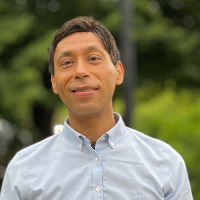
About Roberto
Roberto (Bo) Hess is a licensed clinical social worker who helps people facing stress, anxiety, addiction, trauma, sleep problems, anger, grief, and depression. He also supports those dealing with body image, codependency, isolation, and challenges related to LGBT identity. Bo writes plainly and meets people where they are when life feels stuck or overwhelming.
Bo brings a calm, practical presence to sessions. He treats therapy as a partnership where the client and clinician work toward clear goals.
Background and approach
He leans on straightforward tools and conversation to untangle stuck patterns and reduce day-to-day distress. In sessions he uses cognitive-behavioral methods to spot and change unhelpful thinking. He draws on dialectical behavior ideas to build coping skills and tolerance for intense emotions.
He also uses EMDR and mindfulness techniques when trauma or difficult memories are part of the picture. Bo has three years of clinical experience and holds a Licensed Clinical Social Worker credential, LCSW. He currently practices from North Carolina and offers services in English, and he accepts international clients for online work.
People connect with him for both short-term coaching and longer therapy goals. He favors practical steps you can try between meetings, and he adjusts pace to match each person’s needs. His approach centers on honesty, respect, and a bit of humor to keep things human.
How these approaches work online
CBT, or Cognitive Behavioral Therapy, helps people notice unhelpful thoughts and change them into more useful ones; it is often used for anxiety, depression, and stress. DBT, Dialectical Behavior Therapy, focuses on building coping skills for intense emotions and improving how people handle relationships and crises. EMDR, Eye Movement Desensitization and Reprocessing, is used to lessen the hold of traumatic memories by processing them in targeted ways.Choosing the right approach is part of therapy. The therapist will collaborate with each person to decide what methods fit their goals and comfort level. That choice can change over time as needs shift and progress is made.
Online sessions are offered as video calls, phone sessions, live chat, or text-based messaging to make therapy more flexible. Video calls allow fuller conversation and nonverbal cues. Phone sessions are useful when bandwidth is limited or a quieter check-in is needed. Text or chat sessions let people share brief updates or have shorter, frequent touchpoints between longer meetings.
Frequently asked questions
What concerns does this therapist focus on?
How would you describe his therapy style?
What is his clinical background?
What credentials and location are listed?
Which languages are sessions offered in?
What session formats are available?
How is cost handled for therapy?
What are the steps to begin therapy?
Specialties and expertise
Top specialties
Also works with
- Abandonment
- Anger management
- Antisocial personality
- Avoidant personality
- Bipolar disorder
- Body image
- Co-morbidity
- Coaching
- Codependency
- Coping with life changes
- Coping with natural or human-caused disaster
- Depression
- Dissociation
- Drug and alcohol addiction
- Eating disorders
- Emptiness
- Family problems
- First responder issues
- Grief
- Guilt and shame
- Impulsivity
- Isolation / loneliness
- LGBT
- Life purpose
- Men's issues
- Mood disorders
- Narcissism
- Obsessions, compulsions, and OCD
- Panic disorder and panic attacks
- Parenting issues
- Personality disorders
- Post-traumatic stress
- Postpartum depression
- Process addiction (porn, exercise, gambling)
- Self-harm
- Sex addiction
- Sexual dysfunction
- Sexuality
- Sleeping disorders
- Smoking / vaping cessation
- Social anxiety and phobia
- Veteran and Armed Forces Issues
- Young adult issues
Therapeutic approaches
- Experience
- 3 years
- Licensed
- North Carolina
- Languages
- English