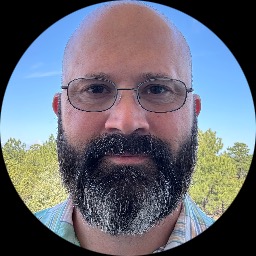
About Paul
Paul Brunner welcomes people who are feeling stuck, overwhelmed, or worn out by stress and anxiety. He is straightforward and calm in sessions, and he works with individuals who want clear tools to manage mood, trauma symptoms, substance concerns, or struggles with self-esteem and sleep. Paul lists LCSW, which stands for Licensed Clinical Social Worker, and also holds the CSW credential.
Paul spent many years in military mental health roles before moving into broader clinical practice.
Background and approach
He began in the Army as a mental health technician and later served as an Army officer and active duty social worker. That time shaped his focus on trauma, substance use, and the strain that comes with high-stress work. In the room Paul uses practical methods to help people change day-to-day patterns.
He draws on approaches such as cognitive behavioral techniques and mindfulness to address unhelpful thinking and improve coping. He also uses EMDR for processing distressing memories when that fits the persons needs. Paul has provided trauma-based therapies and substance abuse treatment, and he has experience supporting survivors of domestic and sexual violence.
Over 15 years of practice he has worked with a wide range of concerns including mood disorders, ADHD, bipolar symptoms, and compassion fatigue. People find his style goal-oriented but respectful of their pace. Sessions focus on short-term skills and longer-term recovery steps based on each person's situation and priorities.
Paul works from Colorado and conducts sessions in English.
Approaches used in online sessions and how they help
Paul commonly uses Cognitive Behavioral Therapy and Eye Movement Desensitization and Reprocessing in online work. Cognitive Behavioral Therapy focuses on identifying unhelpful thoughts and practicing new ways of responding, which can reduce anxiety, depression, and stress-related reactions. Eye Movement Desensitization and Reprocessing, or EMDR, helps people process and reduce the intensity of traumatic memories when those memories continue to cause distress.He also brings mindfulness techniques into sessions to build present-moment awareness and decrease reactivity. Finding the right approach is a collaborative process - the therapist will talk with each person about their goals, try methods that match those goals, and adjust the plan as needed based on what helps most.
Online therapy offers flexible ways to meet. Video calls allow face-to-face conversation and visual cues. Phone sessions can be a simpler option when bandwidth is limited or a quick check-in is needed. Live chat and text-based messaging work well for ongoing support, brief coaching, and skills practice between longer sessions. These options make it easier to fit therapy into busy lives while still using the same clinical methods discussed above.
Frequently asked questions
What kinds of problems does Paul help with?
What is his therapy style like?
How much clinical experience does he have?
What are his credentials and where is he based?
Which languages are sessions offered in?
Can people outside the U.S. work with him?
What session formats are available?
How does the subscription and getting started process work?
Specialties and expertise
Top specialties
- Stress, Anxiety
- Trauma and abuse
- Anger management
Also works with
- ADHD
- Bipolar disorder
- Body image
- Career difficulties
- Communication problems
- Compassion fatigue
- Control issues
- Coping with natural or human-caused disaster
- Depression
- Divorce and separation
- Domestic violence
- Drug and alcohol addiction
- Eating and food-related issues
- Family conflicts
- Family of origin issues
- First responder issues
- Guilt and shame
- Impulsivity
- Isolation / loneliness
- LGBT
- Men's issues
- Midlife crisis
- Mood disorders
- Obsessions, compulsions, and OCD
- Panic disorder and panic attacks
- Personality disorders
- Phobias
- Post-traumatic stress
- Self esteem
- Self-harm
- Sexual assault and abuse
- Sleeping disorders
- Social anxiety and phobia
- Veteran and Armed Forces Issues
- Workplace issues
Therapeutic approaches
- Experience
- 15 years
- Licensed
- North Carolina, Colorado
- Languages
- English