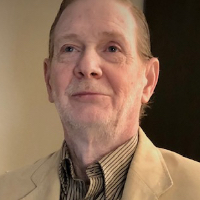
About Patrick
Patrick Shanahan helps people who feel stuck after loss, relationship strain, addiction, or life change. He writes plainly and listens closely to find what matters most to each person. Patrick presents a steady, practical style that aims to restore forward movement rather than focus on labels or blame.
He believes people are often self-correcting when given direction and support. That idea shaped his early work running an outpatient clinic linked to a runaway and homeless youth shelter.
Background and approach
Over 18 years there he provided case management, individual therapy, and family-focused work in both the shelter and community settings. Patrick has worked across many treatment settings and cultural backgrounds. He studied comparative religions and cultures to better understand differing values and life stories.
He also completed a portion of doctoral coursework in family therapy and was offered a fellowship at Washington University’s Ph.D. program. Later roles included providing phone-based therapy and crisis intervention for managed care for 18 years, and time spent in outpatient practices and a faith-based counseling group.
He supervised staff and graduate students and partnered with a university on research to refine clinical methods. In session, Patrick draws on practical tools like problem solving, cognitive behavioral techniques, communication work, and structural approaches to relationships. He aims to help people clarify values, reduce distress, and take manageable steps toward change.
How therapeutic approaches translate to online work
Acceptance and Commitment Therapy, or ACT, focuses on clarifying what matters to a person and taking small actions that match those values. It can help with anxiety, depression, grief, and motivation by shifting attention toward meaningful goals rather than symptom avoidance. Attachment-Based Therapy looks at how early relationships shape current connection patterns and helps people change how they relate to others, useful for intimacy issues and family conflicts. Client-Centered Therapy centers the client's perspective, using empathic listening to help people find their own solutions and regain confidence.Choosing the right approach is part of the work together. The therapist will discuss goals and preferences, try methods that fit, and adjust as progress is seen. That collaborative process helps tailor care to what actually helps each person move forward.
Online formats make that collaboration easier to fit into busy lives. Video calls allow for face-to-face conversation and visual cues, phone sessions are useful when bandwidth is limited or when someone prefers not to be on camera, and live chat or text can support quick check-ins, skill practice, or shorter therapeutic checkups. These options provide flexibility for scheduling, different comfort levels, and varied day-to-day needs while working on the same therapeutic goals.
Frequently asked questions
What issues does this therapist address?
What is the therapeutic style like?
How long has this clinician practiced?
What are the therapist's credentials and location?
Which languages are offered and are international clients supported?
What session formats are available?
How does pricing and billing work?
How do I begin working with this therapist?
Specialties and expertise
Top specialties
- Relationship issues
- Grief
- Anger management
Also works with
- Addictions
- Adoption and foster care
- Aging and geriatric issues
- Blended family issues
- Career difficulties
- Caregiver issues and stress
- Coaching
- Codependency
- Communication problems
- Compassion fatigue
- Coping with life changes
- Coping with natural or human-caused disaster
- Depression
- Divorce and separation
- Domestic violence
- Drug and alcohol addiction
- Family conflicts
- Family of origin issues
- Family problems
- Fatherhood issues
- First responder issues
- Forgiveness
- Guilt and shame
- Hospice and end-of-life counseling
- Infidelity
- Intimacy-related issues
- Isolation / loneliness
- Jealousy
- Life purpose
- Men's issues
- Midlife crisis
- Money and financial issues
- Multicultural concerns
- Parenting issues
- Seasonal Affective Disorder (SAD)
- Self esteem
- Self-love
- Stress, Anxiety
- Trauma and abuse
- Veteran and Armed Forces Issues
- Workplace issues
- Young adult issues
Therapeutic approaches
- Acceptance and Commitment Therapy (ACT)
- Attachment-Based Therapy
- Client-Centered Therapy
- Cognitive Behavioral Therapy (CBT)
- Emotionally-Focused Therapy (EFT)
- Existential Therapy
- Hypnotherapy
- Jungian Therapy
- Mindfulness Therapy
- Narrative Therapy
- Psychodynamic Therapy
- Solution-Focused Therapy
- Internal Family Systems
- Experience
- 44 years
- Licensed
- Missouri
- Languages
- English