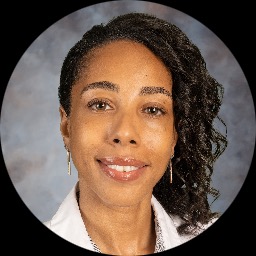
About Pallah
Pallah Burdis offers steady support for people facing stress, anxiety, low self-esteem, addiction concerns, and depression. She meets individuals who are feeling isolated or stuck and helps them find clearer direction. Pallah is a licensed clinical social worker, LCSW, practicing in Texas with six years of experience.
She focuses on straightforward, practical work. Sessions look at current struggles such as mood shifts, relationship tension, or trouble with substance use. She also helps people untangle family of origin issues, attachment concerns, and feelings of guilt or shame.
Background and approach
Pallah pays attention to cultural background and how discrimination shapes emotional life. That perspective shows up when clients want to talk about identity, multicultural stress, or how society affects self-worth. She also supports people navigating postpartum mood changes and the emotional weight of serious health issues like HIV and hospice care.
Her style uses evidence-based therapeutic techniques to help people build new habits, rethink unhelpful patterns, and restore a sense of purpose. Sessions are collaborative and down-to-earth, with practical steps to try between meetings. The work is about small changes that add up over time.
Pallah offers video, phone, live chat, and text-based messaging sessions. People who choose her often want an affirming space to process hard emotions and to develop clearer coping strategies. She aims to make therapy usable and relatable for everyday life.
Practical approaches delivered online
Pallah uses evidence-based therapeutic techniques that focus on clear skills and steady progress. One common approach she uses teaches people how thoughts, feelings, and actions connect and then practices small behavior changes to reduce anxiety and depressive symptoms. Another approach concentrates on strengthening attachment and trust, helping people notice patterns in relationships and try different ways of relating to reduce isolation and conflict.Choosing the right approach is part of the work. She collaborates with each person to identify what feels most helpful based on their goals, preferences, and the issues they bring. That means trying strategies together, then adjusting the plan over time until it fits the client’s life.
Online sessions offer flexible ways to meet. Video calls let the therapist and client connect face-to-face when visual cues matter. Phone sessions can be easier if bandwidth is limited or when being on camera feels uncomfortable. Live chat and text messaging are useful for brief check-ins, quick skill practice, or when someone needs support between longer sessions. These options make it simpler to fit therapy into a busy schedule and keep steady momentum toward change.
Frequently asked questions
What concerns does she commonly help with?
What is her general therapeutic style?
How much clinical experience does she have?
What credentials and location are listed?
Which languages are supported for sessions?
What session formats are available?
How are costs and billing handled?
How do I begin working with her?
Specialties and expertise
Top specialties
- Stress, Anxiety
- Addictions
- Relationship issues
Also works with
- Attachment issues
- Depression
- Drug and alcohol addiction
- Family of origin issues
- Family problems
- Forgiveness
- Guilt and shame
- HIV / AIDS
- Hospice and end-of-life counseling
- Isolation / loneliness
- Jealousy
- Life purpose
- Money and financial issues
- Mood disorders
- Multicultural concerns
- Postpartum depression
- Prejudice and discrimination
- Seasonal Affective Disorder (SAD)
- Self esteem
- Self-love
- Social anxiety and phobia
- Women's issues
- Workplace issues
- Experience
- 6 years
- Licensed
- Texas
- Languages
- English