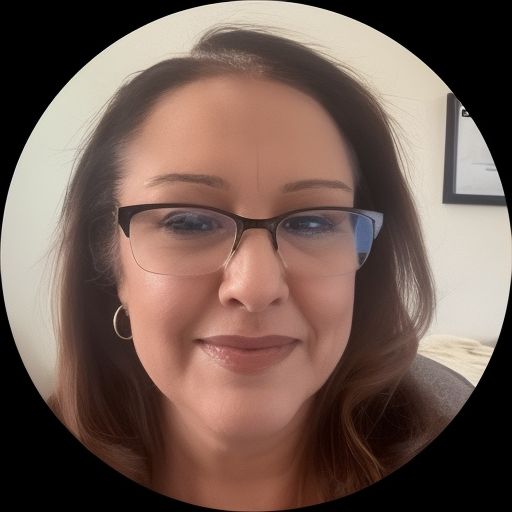
About Monica
Monica Torres is a licensed clinical social worker practicing in Arizona with 10 years of experience. She helps people facing depression, anxiety, trauma, grief, low self-esteem, and chronic stress. Monica creates a calm and respectful space where people can talk about painful events and make practical changes.
She centers care on each person’s life and identity. Monica pays attention to how culture, discrimination, and identity affect wellbeing. She often supports people working through isolation, experiences of prejudice, or the fallout from past abuse.
Background and approach
Monica uses focused, evidence-based methods to help people notice unhelpful patterns and try different ways of coping. She teaches skills for managing strong emotions and for staying more present in day-to-day life. Sessions include practical tools alongside space to process difficult experiences.
Clients can expect a collaborative style. Monica listens for strengths and goals, then tailors strategies that fit each person’s needs. She works step by step so changes feel manageable and relevant to daily life.
Her work also addresses issues like caregiver stress, commitment fears, family of origin concerns, and identity-related struggles such as gender dysphoria. Monica helps people rebuild trust in themselves, find clearer direction, and practice new ways of relating to others.
How therapeutic approaches translate to online care
Monica uses Cognitive Behavioral Therapy to help people notice and change unhelpful thoughts and behaviors; this is useful for anxiety, low mood, and stress. She also incorporates Dialectical Behavior Therapy skills to teach emotional regulation, distress tolerance, and clearer communication when emotions feel overwhelming. When trauma is a central issue, Monica may use Eye Movement Desensitization and Reprocessing to help process disturbing memories and reduce their intense emotional hold.Finding the right approach is part of the work. Monica will talk with each person about goals, history, and what feels most comfortable. Together the client and therapist decide which methods to try and adjust the plan as progress is made, keeping the process collaborative and flexible.
Online therapy offers several practical benefits for this style of care. Video calls allow face-to-face conversation and skill practice. Phone sessions can be easier when bandwidth is limited or for quick check-ins. Live chat and text-based messaging make it possible to get short, timely support between sessions and to share reflections when writing feels easier. These options make it simpler to fit therapy into a busy life while using the same therapeutic strategies she applies in person.
Frequently asked questions
What concerns does she help with?
How would you describe her therapeutic style?
How much clinical experience does she have?
What are her credentials and where does she practice?
Which languages are supported for sessions?
What session formats are available?
How does pricing work?
What are the first steps to begin therapy?
Specialties and expertise
Top specialties
Also works with
- Abandonment
- Caregiver issues and stress
- Commitment issues
- Depression
- Family of origin issues
- Family problems
- Forgiveness
- Gender dysphoria
- Impulsivity
- Isolation / loneliness
- Midlife crisis
- Mood disorders
- Multicultural concerns
- Personality disorders
- Post-traumatic stress
- Prejudice and discrimination
- Seasonal Affective Disorder (SAD)
- Self esteem
- Self-harm
- Self-love
- Sexual assault and abuse
- Sexuality
- Women's issues
- Young adult issues
Therapeutic approaches
- Experience
- 10 years
- Licensed
- Arizona
- Languages
- English