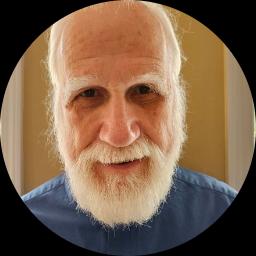
About Mark
Mark Alessandroni is a licensed clinical social worker in Georgia with 35 years of experience supporting people through stress, anxiety, addiction, relationship strain, depression, and ADHD. He speaks plainly and focuses on practical steps clients can use right away. Mark aims to meet each person where they are and talk through problems in a calm, direct way.
He uses approaches that encourage active problem solving and clearer communication. That means identifying patterns that make symptoms worse and trying small, testable changes.
Background and approach
Sessions often include straightforward tools to manage panic, reduce compulsive behaviors, or ease daily anxiety. Mark also works with people facing life transitions such as divorce, midlife questions, caregiving strain, or end-of-life concerns. He helps people sort priorities, set boundaries, and regain a sense of purpose when routines or relationships shift.
For relationship concerns, he draws on methods that sharpen communication and rebuild connection. With issues tied to sexuality, infidelity, or isolation, he focuses on concrete steps that promote understanding and repair where possible. Mark adapts his approach to each person’s needs.
He explains options, outlines simple goals, and revises plans based on what is working. Sessions are offered in English and conducted through multiple online formats to fit different rhythms and schedules.
Therapeutic approaches for online care
Mark uses Cognitive Behavioral Therapy and Imago Relationship Therapy in ways that translate well to online work. Cognitive Behavioral Therapy (CBT) focuses on spotting and changing unhelpful thoughts and behaviors. It is useful for anxiety, panic, depression, and behaviors linked to addiction. Imago Relationship Therapy teaches ways to listen and speak that reduce blame and build understanding in relationships, which can help when trust or communication has broken down.Finding the right approach is a joint process. The therapist will review your concerns, goals, and preferences and suggest which methods to try first. Together you will set small, measurable goals and adjust the plan based on what helps most.
Online sessions are offered by video call, phone, live chat, or text-based messaging to make therapy more flexible. Video calls allow face-to-face conversation and nonverbal cues. Phone sessions are useful when bandwidth is limited or a quick check-in is needed. Live chat and text messaging can support brief updates, homework, or ongoing encouragement between longer sessions. These options make it easier to fit therapy into work, caregiving, or travel routines while keeping a steady path toward your goals.
Frequently asked questions
What kinds of concerns does this therapist address?
What is the therapy style like?
How much experience does the clinician have?
What credentials and location are listed?
Which languages are supported and are international clients accepted?
What session formats are available?
How is cost handled for sessions?
How do I begin working with this therapist?
Specialties and expertise
Top specialties
- Stress, Anxiety
- Addictions
- Relationship issues
Also works with
- ADHD
- Caregiver issues and stress
- Depression
- Divorce and separation
- Forgiveness
- Hospice and end-of-life counseling
- Infidelity
- Isolation / loneliness
- Life purpose
- Men's issues
- Midlife crisis
- Multicultural concerns
- Panic disorder and panic attacks
- Post-traumatic stress
- Process addiction (porn, exercise, gambling)
- Sexuality
- Social anxiety and phobia
- Workplace issues
Therapeutic approaches
- Experience
- 35 years
- Licensed
- Georgia
- Languages
- English