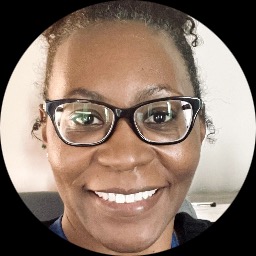
About LaTonya
LaTonya Mangum helps people who are feeling stressed, anxious, low in mood, or struggling with self-esteem. She also addresses relationship concerns, anger, and challenges that come from family conflict and attachment wounds. LaTonya presents a calm, respectful presence and aims to make conversations feel straightforward and human.
She writes a treatment plan with each person instead of using one approach for everyone. Sessions focus on practical tools and small steps people can try between meetings.
Background and approach
She pays attention to how past relationships shape current choices and feelings, including patterns like codependency, control issues, and fear of abandonment. LaTonya draws on several approaches to match what a person needs. That can include looking at unhelpful thinking and behavior patterns, building emotional awareness, and learning acceptance skills to live by personal values.
She also uses client-centered ways of listening so people feel heard and guided rather than judged. She has 11 years of experience working in clinical settings and holds a Licensed Clinical Social Worker credential - LCSW. Her license number is NC LCSW C011831 and she practices in North Carolina.
Conversations are offered in English and take place online using video calls, phone sessions, live chat, or text-based messaging. Getting started involves a short matching questionnaire and scheduling a time that fits the person's needs.
Therapeutic approaches for online care
Acceptance and Commitment Therapy, or ACT, helps people notice their thoughts without getting stuck and take actions that match their values. It is useful for anxiety, low motivation, and people who want clearer direction in life.Attachment-Based Therapy looks at how early relationships affect current feelings and patterns. This approach helps when relationship wounds, abandonment fears, or family of origin issues shape how someone connects with others.
Finding the right approach is part of the work. The therapist will collaborate with each person to choose methods that fit their goals, needs, and preferences. That may mean combining techniques from different approaches and adjusting as progress is made.
Online therapy offers flexible ways to meet. Video calls allow face-to-face dialogue and body language cues. Phone sessions work well when bandwidth is limited or a shorter check-in is needed. Live chat and text-based messaging give options for brief reflections, between-session support, or when writing feels easier than speaking.
These formats make it simpler to fit therapy around work, family, and daily life while still using evidence-informed tools to address stress, anxiety, relationship patterns, and emotional regulation.
Frequently asked questions
What concerns does she address?
What is her therapeutic style?
How much experience does she have?
What are her credentials and where is she based?
In which languages are sessions offered?
Which session formats are available?
How does pricing and payment work?
What do I do to begin therapy?
Specialties and expertise
Top specialties
- Stress, Anxiety
- Relationship issues
- Anger management
Also works with
- Abandonment
- Attachment issues
- Codependency
- Communication problems
- Control issues
- Depression
- Divorce and separation
- Emptiness
- Family of origin issues
- Family problems
- Forgiveness
- Guilt and shame
- Impulsivity
- Infidelity
- Isolation / loneliness
- Jealousy
- Life purpose
- Midlife crisis
- Money and financial issues
- Mood disorders
- Seasonal Affective Disorder (SAD)
- Self esteem
- Self-love
- Social anxiety and phobia
- Women's issues
- Young adult issues
Therapeutic approaches
- Experience
- 11 years
- Licensed
- North Carolina
- Languages
- English