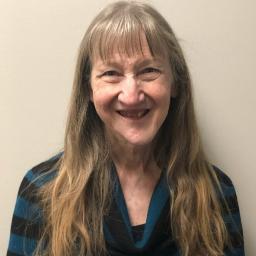
About Karen
Karen Murphree brings three decades of clinical experience to her practice in Montana. She is a Licensed Clinical Social Worker - LCSW - and works with adults on issues like stress, anxiety, grief, depression, self-esteem, and coping with life changes. She also supports people facing relationship concerns, intimacy-related issues, trauma and abuse, anger, and compassion fatigue.
Karen favors a whole-person, strength-based approach rather than an illness-focused model. She combines evidence-informed methods with creative tools.
Background and approach
Sessions can include guided imagery, music, art, movement, rituals, and breath work alongside talk-based techniques. Her background includes earlier work as a licensed practical nurse and later graduate-level study in natural and alternative healing, plus a health coaching course. That history informs her interest in the food-mood and lifestyle connections to mental health.
She often shares educational resources for clients to explore between sessions. Karen is LGBTQIA2S+ friendly and welcomes people with diverse identities, including those who identify as neurodivergent, genderfluid, pansexual, polyamorous, or kink-friendly. She also offers support to people rethinking or leaving organized religion and exploring their own spiritual paths.
In sessions she aims to help people identify limiting beliefs and habits and to build practical steps toward change. She emphasizes collaboration, respect, and curiosity while helping clients find approaches that fit their life and goals.
Therapeutic approaches and online care
Attachment-Based Therapy focuses on how early relationships shape how people relate now. It can help when trust, closeness, or separation feel difficult in current relationships. Client-Centered Therapy centers the person in the room and follows their priorities, offering a respectful, nonjudgmental space to name concerns and goals. Cognitive Behavioral Therapy, or CBT, looks at patterns of thinking and behavior and teaches concrete skills to change them, often helping with anxiety, depression, and stress.Finding the right approach is part of the work. The therapist will talk with each person about their needs, goals, and preferences and then try methods that fit. This process is collaborative, with room to adjust techniques over time if something is not helping.
Online therapy offers several practical benefits. Video calls allow for face-to-face conversations when travel is difficult. Phone sessions can work when bandwidth is limited or when a shorter check-in is needed. Live chat and text-based messaging let people communicate in writing between sessions or when a quick check-in is useful. Together these options make it easier to fit therapy into busy lives and different routines.
Frequently asked questions
What concerns does this therapist commonly address?
What is her therapeutic style like?
How much experience does she have?
What are her credentials and where is she located?
Which languages are supported and can international clients join?
What session formats does she offer?
How is cost handled for sessions?
How do I begin if I want to work with her?
Specialties and expertise
Top specialties
Also works with
- Abandonment
- Aging and geriatric issues
- Anger management
- Attachment issues
- BDSM, kink, and alternative sex culture
- Body image
- Cancer
- Caregiver issues and stress
- Chronic pain, illness, and disability
- Communication problems
- Compassion fatigue
- Control issues
- Coping with life changes
- Depression
- Divorce and separation
- Family conflicts
- Family of origin issues
- Forgiveness
- Gender dysphoria
- Guilt and shame
- Hospice and end-of-life counseling
- Intimacy-related issues
- Isolation / loneliness
- LGBT
- Life purpose
- Midlife crisis
- Panic disorder and panic attacks
- Polyamory / non-monogamous relationships
- Post-traumatic stress
- Relationship issues
- Seasonal Affective Disorder (SAD)
- Self-harm
- Self-love
- Sexual assault and abuse
- Sexuality
- Social anxiety and phobia
- Trauma and abuse
- Visually impaired
- Women's issues
- Workplace issues
Therapeutic approaches
- Experience
- 30 years
- Licensed
- Kansas, Washington, Missouri, Montana, Idaho, Oregon
- Languages
- English