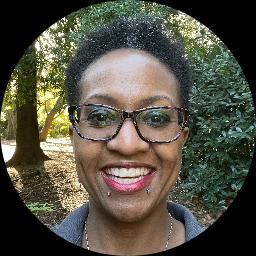
About Iisha
Iisha Toombs is a licensed clinical social worker who helps people facing addictions, trauma and abuse, depression, low self-esteem, and LGBTQ concerns. She speaks plainly and focuses on creating a welcoming space where people can say what they really feel. Taking that first step can feel hard, and she aims to make it easier to reach out.
With 16 years of experience, she draws on practical, evidence-based methods to help clients build clearer goals and steady coping skills.
Background and approach
Sessions tend to focus on what is happening now and on small, doable steps that lead to change. She listens for patterns that keep problems repeating and offers straightforward strategies to shift them. She also supports people dealing with abandonment, body image struggles, chronic illness or pain, communication problems, and isolation.
Work can include managing impulsivity, addressing guilt and shame, and sorting family of origin issues. She pays attention to how life events and identity concerns affect daily functioning. Iisha holds a Licensed Clinical Social Worker credential, listed as LCSW, and practices from California.
Her approach is collaborative - clients and therapist set the pace and priorities together. She explains options and helps people pick what feels workable. Sessions are geared toward real-life problems and real-life solutions.
Conversations are direct but compassionate, with an emphasis on practical skills and emotional understanding. The goal is clearer thinking and better ways to handle stress and relationships.
Approaches that guide online work
Iisha uses evidence-based therapeutic techniques that focus on clear goals and skills. One common approach centers on identifying unhelpful patterns in thinking and behavior and replacing them with practical coping strategies; this helps with depression, low self-esteem, and addictive urges. Another approach emphasizes processing trauma and painful memories at a pace the client can handle, with attention to safety and steady emotional regulation; this supports recovery from abuse and dissociation. Choosing the right approach is part of the work. She collaborates with each person to match methods to their goals and comfort level, adjusting the plan as progress unfolds. Clients help set priorities and try techniques in real life to see what fits. Online formats make it easier to keep therapy consistent. Video calls allow face-to-face conversation and visual cues, phone sessions are helpful when bandwidth or camera use is limited, and live chat or text messaging fit quick check-ins or short updates between meetings. These options help people fit therapy into busy lives and maintain momentum toward their goals.Frequently asked questions
What concerns does she help with?
How would you describe her therapy style?
What is her professional background?
What credentials and location information are provided?
Which languages are available for sessions?
Can people outside the United States work with her?
What session formats does she offer and how do they work?
How are costs and scheduling handled?
Specialties and expertise
Top specialties
Also works with
- Abandonment
- Aging and geriatric issues
- Body image
- Chronic pain, illness, and disability
- Communication problems
- Control issues
- Coping with natural or human-caused disaster
- Depression
- Dissociation
- Divorce and separation
- Drug and alcohol addiction
- Family of origin issues
- Gender dysphoria
- Guilt and shame
- Impulsivity
- Isolation / loneliness
- Life purpose
- Midlife crisis
- Mood disorders
- Post-traumatic stress
- Prejudice and discrimination
- Seasonal Affective Disorder (SAD)
- Self esteem
- Self-love
- Sexuality
- Social anxiety and phobia
- Veteran and Armed Forces Issues
- Women's issues
- Workplace issues
- Young adult issues
- Experience
- 16 years
- Licensed
- California, New Mexico
- Languages
- English