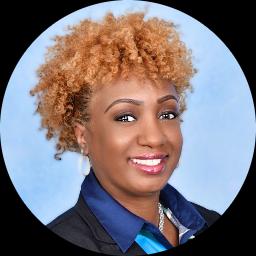
About Dwanne
Dwanne Clayton is a Licensed Clinical Social Worker who helps people facing stress, anxiety, depression, relationship strain, and parenting concerns. She works with individuals on self-esteem, motivation, and coping with life changes. Her approach aims to build practical skills and restore a sense of direction.
Clayton draws on several evidence-informed methods to shape sessions around each person’s needs. She uses cognitive behavioral ideas to identify unhelpful thoughts and test them against reality.
Background and approach
She also employs client-centered principles, offering a respectful, nonjudgmental listening space where people set the pace and goals. Mindfulness and acceptance-based practices are woven into her work to help clients tolerate difficult feelings and stay focused on chosen values. Emotion-focused techniques guide conversations about attachment and intimacy-related issues when feelings are central to the problem.
Sessions include concrete strategies you can try between meetings. She has five years of direct therapy experience and holds Florida and Georgia license information as noted on her profile. Sessions are offered in English and provided through remote formats that fit different schedules.
Clayton emphasizes collaboration. She treats each person as the expert on their own life and helps them build on strengths. The first sessions typically clarify goals, identify a few manageable steps, and begin skill work that fits daily life.
How therapeutic approaches work online
Acceptance and Commitment Therapy (ACT) emphasizes identifying personal values and taking action consistent with them while learning to accept difficult thoughts and feelings. It can help people stuck in avoidance or struggling to make value-driven choices. Cognitive Behavioral Therapy (CBT) focuses on noticing unhelpful thoughts and testing them with practical experiments and behavior changes to reduce symptoms like anxiety and low mood. Client-Centered Therapy centers on warm, nonjudgmental listening so clients can explore their experience and choose their own direction.Choosing the right approach is a collaborative process. The therapist will discuss goals and preferences, try techniques that fit your needs, and adjust the plan as you learn what helps. This collaborative testing helps find what feels most useful for your situation.
Online sessions offer flexibility through video calls, phone work, live chat, or text-based messaging. Video calls let you use visual cues and deeper conversation. Phone sessions use less bandwidth and can fit into breaks or commutes. Live chat and text-based messaging support brief check-ins, ongoing coaching, or moments when writing feels easier. These options make it simpler to fit therapy into a busy life while trying different approaches to see what works for you.
Frequently asked questions
What concerns does this therapist address?
What is the general therapy style here?
How much clinical experience does the therapist have?
What credentials and region apply to this clinician?
Which languages are supported for sessions?
What session formats are available?
How is pricing handled?
How do I begin working with this therapist?
Specialties and expertise
Top specialties
- Stress, Anxiety
- Relationship issues
- Family conflicts
Also works with
- Abandonment
- ADHD
- Adoption and foster care
- Aging and geriatric issues
- Anger management
- Attachment issues
- BDSM, kink, and alternative sex culture
- Bipolar disorder
- Blended family issues
- Body image
- Cancer
- Career difficulties
- Caregiver issues and stress
- Coaching
- Codependency
- Commitment issues
- Communication problems
- Compassion fatigue
- Control issues
- Coping with life changes
- Coping with natural or human-caused disaster
- Dependent personality
- Depression
- Divorce and separation
- Domestic violence
- Emptiness
- Family problems
- First responder issues
- Forgiveness
- Grief
- Guilt and shame
- Hospice and end-of-life counseling
- Impulsivity
- Infidelity
- Intimacy-related issues
- Isolation / loneliness
- Jealousy
- LGBT
- Life purpose
- Midlife crisis
- Mood disorders
- Multicultural concerns
- Narcissism
- Panic disorder and panic attacks
- Parenting issues
- Polyamory / non-monogamous relationships
- Post-traumatic stress
- Postpartum depression
- Prejudice and discrimination
- Process addiction (porn, exercise, gambling)
- Self esteem
- Self-love
- Sex addiction
- Sexuality
- Sleeping disorders
- Social anxiety and phobia
- Trauma and abuse
- Traumatic brain injury
- Veteran and Armed Forces Issues
- Women's issues
- Workplace issues
- Young adult issues
Therapeutic approaches
- Experience
- 5 years
- Licensed
- Florida, Georgia
- Languages
- English