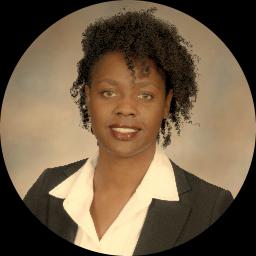
About Angela
Angela Whitlock is a licensed social worker who helps people manage stress, anxiety, depression, and relationship pain. She writes and listens with warmth and respect. Her style is supportive and down-to-earth for people who need clear help getting through hard moments.
Whitlock holds a Master of Social Work from Alabama A&M University and maintains licenses in Alabama as LCSW and LICSW. She has over 11 years of experience and brings that background to conversations about grief, family problems, and identity concerns.
Background and approach
She draws on practical techniques and steady listening rather than jargon. Sessions tend to be interactive and client-led. Angela uses person-centered ways of talking so each person sets the pace and focus.
She mixes that with cognitive-behavioral tools and motivational interview techniques to help people notice patterns and try different responses. She pays particular attention to attachment and relationship dynamics, helping people untangle communication problems, codependency, and commitment issues. She also addresses anger, caregiver stress, body image, and trauma-related concerns with straightforward strategies that feel doable.
People who prefer a calm, respectful tone and an individualized plan will find a clear fit. Angela aims to validate feelings while offering concrete steps to move forward. Her approach is practical and compassionate, with an emphasis on helping people reclaim more stability and purpose in daily life.
How these approaches translate to online therapy
Attachment-based work focuses on relationship patterns and how early bonds influence current trust and closeness. In online sessions this can look like mapping who you turn to, noticing repeated hurts, and practicing new ways of relating in real time. Cognitive behavioral therapy (CBT) helps people spot unhelpful thoughts and test different actions. Over video or phone, this often means identifying a triggering thought, trying a new response, and reviewing what changed the next session.Finding the right approach is part of the process. The therapist will ask about your goals and preferences, then suggest which methods to try first. This is a collaborative decision and can shift as you learn what feels most useful.
Online formats offer practical benefits for busy lives. Video calls allow face-to-face conversation and shared worksheets. Phone sessions can fit into a short break or require less bandwidth. Live chat and text messaging are useful for brief check-ins, quick coping reminders, or when writing feels easier than speaking. These options make it simpler to keep therapy consistent around work, caregiving, or travel.
Frequently asked questions
What concerns does Angela commonly address?
What is her approach to therapy?
What kind of background does she bring?
Where is she licensed and based?
Which languages are sessions offered in?
Can international clients work with her?
What session formats are available?
How does payment and scheduling work?
Specialties and expertise
Top specialties
- Stress, Anxiety
- Anger management
- Self esteem
Also works with
- Abandonment
- Attachment issues
- Body image
- Career difficulties
- Caregiver issues and stress
- Codependency
- Commitment issues
- Communication problems
- Compassion fatigue
- Control issues
- Coping with life changes
- Depression
- Domestic violence
- Emptiness
- Family conflicts
- Family problems
- Forgiveness
- Gender dysphoria
- Guilt and shame
- HIV / AIDS
- Immigration issues
- Impulsivity
- Intimacy-related issues
- Isolation / loneliness
- Jealousy
- LGBT
- Life purpose
- Midlife crisis
- Multicultural concerns
- Panic disorder and panic attacks
- Paranoia
- Prejudice and discrimination
- Relationship issues
- Self-harm
- Self-love
- Sexuality
- Social anxiety and phobia
- Trauma and abuse
- Veteran and Armed Forces Issues
- Women's issues
- Workplace issues
- Young adult issues
Therapeutic approaches
- Experience
- 11 years
- Licensed
- Alabama, Arkansas
- Languages
- English