
Deborah Youngblood, LCSW
Louisiana · 15 yrs exp
Works with Stress, Anxiety / Relationship / Family +13
Works by Acceptance and Commitment Therapy (ACT) / Attachment-Based Therapy
View ProfileThe therapist listings are provided by BetterHelp and we will earn a commission if you use our link - at no cost to you.
Find Licensed Clinical Social Workers (LCSWs) who list eating disorders among their focus areas. Browse the listings below to review credentials, clinical focus, approaches and languages as you explore options.
Louisiana · 15 yrs exp
Works with Stress, Anxiety / Relationship / Family +13
Works by Acceptance and Commitment Therapy (ACT) / Attachment-Based Therapy
View Profile
Colorado · 19 yrs exp · 2 languages
Works with Stress, Anxiety / Relationship / Trauma and abuse +13
Works by Somatic Therapy / Acceptance and Commitment Therapy (ACT)
View Profile
Texas · 13 yrs exp
Works with Stress, Anxiety / Relationship / Trauma and abuse +12
Works by Attachment-Based Therapy / Client-Centered Therapy
View Profile
North Carolina · 21 yrs exp
Works with Stress, Anxiety / Grief / Eating +13
Works by Acceptance and Commitment Therapy (ACT) / Client-Centered Therapy
View Profile
New Jersey · 15 yrs exp
Works with Stress, Anxiety / Family / Trauma and abuse +11
Works by Cognitive Behavioral Therapy (CBT) / Psychodynamic Therapy
View Profile
New York · 24 yrs exp
Works with Stress, Anxiety / Relationship / Anger +13
Works by Client-Centered Therapy / Cognitive Behavioral Therapy (CBT)
View Profile
South Carolina · 14 yrs exp
Works with Stress, Anxiety / Parenting / Depression +15
Works by Client-Centered Therapy / Solution-Focused Therapy
View Profile
Illinois · 30 yrs exp
Works with Trauma and abuse / Grief / Self esteem +15
Works by Client-Centered Therapy / Cognitive Behavioral Therapy (CBT)
View Profile
Missouri · 16 yrs exp
Works with Stress, Anxiety / Trauma and abuse / Self esteem +13
Works by Client-Centered Therapy / Cognitive Behavioral Therapy (CBT)
View Profile
North Carolina · 10 yrs exp
Works with Stress, Anxiety / Relationship / Family +17
Works by Acceptance and Commitment Therapy (ACT) / Client-Centered Therapy
View Profile
Kentucky · 10 yrs exp
Works with Stress, Anxiety / Family / Self esteem +13
Works by Acceptance and Commitment Therapy (ACT) / Client-Centered Therapy
View Profile
New Jersey · 22 yrs exp
Works with Stress, Anxiety / LGBT / Relationship +11
Works by Acceptance and Commitment Therapy (ACT) / Attachment-Based Therapy
View Profile
Illinois · 12 yrs exp
Works with Stress, Anxiety / Trauma and abuse / Parenting +13
Works by Client-Centered Therapy / Cognitive Behavioral Therapy (CBT)
View Profile
Georgia · 25 yrs exp
Works with Stress, Anxiety / Parenting / Anger +16
Works by Attachment-Based Therapy / Client-Centered Therapy
View Profile
Texas · 20 yrs exp
Works with Stress, Anxiety / Addictions / Family +16
Works by Client-Centered Therapy / Cognitive Behavioral Therapy (CBT)
View Profile
Florida · 25 yrs exp
Works with Stress, Anxiety / Trauma and abuse / Parenting +15
Works by Client-Centered Therapy / Cognitive Behavioral Therapy (CBT)
View Profile
Delaware · 28 yrs exp · 2 languages
Works with Stress, Anxiety / Family / Self esteem +12
Works by Acceptance and Commitment Therapy (ACT) / Client-Centered Therapy
View Profile
Arkansas · 44 yrs exp
Works with Stress, Anxiety / Trauma and abuse / Grief +17
Works by Acceptance and Commitment Therapy (ACT) / Client-Centered Therapy
View Profile
California · 20 yrs exp
Works with Stress, Anxiety / Relationship / Family +16
Works by Cognitive Behavioral Therapy (CBT) / Motivational Interviewing
View Profile
Florida · 28 yrs exp · 3 languages
Works with Stress, Anxiety / Addictions / Trauma and abuse +14
Works by Acceptance and Commitment Therapy (ACT) / Attachment-Based Therapy
View Profile
Florida · 20 yrs exp
Works with Stress, Anxiety / Trauma and abuse / Grief +13
Works by Client-Centered Therapy / Cognitive Behavioral Therapy (CBT)
View Profile
New York · 14 yrs exp
Works with Stress, Anxiety / Relationship / Trauma and abuse +6
Works by Acceptance and Commitment Therapy (ACT) / Client-Centered Therapy
View Profile
Illinois · 10 yrs exp
Works with Stress, Anxiety / Trauma and abuse / Grief +12
Works by Client-Centered Therapy / Cognitive Behavioral Therapy (CBT)
View Profile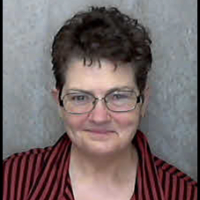
Texas · 35 yrs exp
Works with Stress, Anxiety / Relationship / Family +15
Works by Attachment-Based Therapy / Client-Centered Therapy
View Profile
Connecticut · 3 yrs exp
Works with Stress, Anxiety / Relationship / Grief +13
Works by Client-Centered Therapy / Cognitive Behavioral Therapy (CBT)
View Profile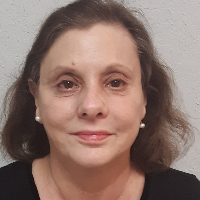
Florida · 32 yrs exp
Works with Stress, Anxiety / Trauma and abuse / Grief +15
Works by Acceptance and Commitment Therapy (ACT) / Client-Centered Therapy
View Profile
Missouri · 30 yrs exp
Works with Stress, Anxiety / Relationship / Family +11
Works by Client-Centered Therapy / Cognitive Behavioral Therapy (CBT)
View Profile
Kentucky · 15 yrs exp
Works with Stress, Anxiety / Relationship / Parenting +14
Works by Acceptance and Commitment Therapy (ACT) / Attachment-Based Therapy
View Profile
Florida · 20 yrs exp
Works with Stress, Anxiety / Relationship / Family +17
Works by Acceptance and Commitment Therapy (ACT) / Attachment-Based Therapy
View Profile
Connecticut · 16 yrs exp
Works with Stress, Anxiety / Addictions / Family +15
Works by Cognitive Behavioral Therapy (CBT) / Dialectical Behavior Therapy (DBT)
View Profile
Florida · 5 yrs exp
Works with Addictions / Relationship / Self esteem +14
Works by Acceptance and Commitment Therapy (ACT) / Attachment-Based Therapy
View Profile
Missouri · 25 yrs exp · 2 languages
Works with Anger / Self esteem / Depression +16
Works by Somatic Therapy / Client-Centered Therapy
View Profile
Kentucky · 9 yrs exp
Works with Stress, Anxiety / Grief / Sleeping +8
Works by Acceptance and Commitment Therapy (ACT) / Client-Centered Therapy
View Profile
Louisiana · 30 yrs exp
Works with Stress, Anxiety / Family / Trauma and abuse +17
Works by Client-Centered Therapy / Cognitive Behavioral Therapy (CBT)
View Profile
North Carolina · 24 yrs exp
Works with Stress, Anxiety / Relationship / Family +15
Works by Client-Centered Therapy / Cognitive Behavioral Therapy (CBT)
View Profile
Florida · 5 yrs exp
Works with Stress, Anxiety / LGBT / Trauma and abuse +11
Works by Somatic Therapy / Acceptance and Commitment Therapy (ACT)
View Profile
Utah · 18 yrs exp
Works with Stress, Anxiety / Relationship / Grief +11
Works by Client-Centered Therapy / Motivational Interviewing
View Profile
Florida · 18 yrs exp
Works with Addictions / LGBT / Trauma and abuse +1
View Profile
Florida · 4 yrs exp · 2 languages
Works with Stress, Anxiety / Parenting / Anger +17
Works by Acceptance and Commitment Therapy (ACT) / Client-Centered Therapy
View Profile
Florida · 35 yrs exp
Works with Stress, Anxiety / Addictions / LGBT +16
Works by Client-Centered Therapy / Cognitive Behavioral Therapy (CBT)
View Profile
Florida · 40 yrs exp
Works with Stress, Anxiety / Relationship / Family +9
Works by Client-Centered Therapy / Cognitive Behavioral Therapy (CBT)
View Profile
Florida · 42 yrs exp
Works with Stress, Anxiety / Addictions / Relationship +16
Works by Somatic Therapy / Acceptance and Commitment Therapy (ACT)
View Profile
New York · 30 yrs exp
Works with Stress, Anxiety / Addictions / Relationship +13
Works by Client-Centered Therapy / Cognitive Behavioral Therapy (CBT)
View Profile
Missouri · 21 yrs exp
Works with Stress, Anxiety / Relationship / Trauma and abuse +11
Works by Client-Centered Therapy / Cognitive Behavioral Therapy (CBT)
View Profile
Missouri · 5 yrs exp
Works with Family / Trauma and abuse / Parenting +13
Works by Acceptance and Commitment Therapy (ACT) / Client-Centered Therapy
View Profile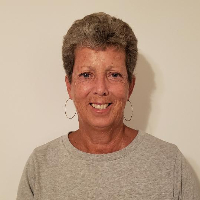
Illinois · 37 yrs exp
Works with Stress, Anxiety / Family / Anger +12
Works by Client-Centered Therapy / Solution-Focused Therapy
View Profile
Wisconsin · 20 yrs exp
Works with Stress, Anxiety / Relationship / Trauma and abuse +16
Works by Attachment-Based Therapy / Client-Centered Therapy
View Profile
New Mexico · 12 yrs exp
Works with Stress, Anxiety / Relationship / Self esteem +14
Works by Attachment-Based Therapy / Client-Centered Therapy
View ProfileEating disorders are complex patterns of thinking, feeling and behavior around food, weight and body image that can significantly affect daily life. You might see them appear as persistent restriction of food, cycles of binge eating, compensatory behaviors such as purging or excessive exercise, or an ongoing preoccupation with shape and weight. These conditions do not only affect nutrition and physical health; they commonly intertwine with mood, anxiety, relationships and how you function at work or school. Because eating-related challenges can be influenced by your environment - including family dynamics, cultural pressures, access to food, stressors at home or work, and social supports - a holistic view is often important when you’re seeking help.
People of any age, gender or background can experience an eating disorder. The way it presents can vary widely from person to person. Some people struggle primarily with control around eating, others primarily with bingeing and shame, and some present with medically risky restriction. You may also find that eating struggles shift over time, or that disordered behaviors coexist with other concerns such as depression, trauma responses or substance use. Recognizing the wide range of experience can help you approach treatment with realistic expectations and find a clinician whose focus and background align with your needs.
Deciding to seek therapy often follows noticing patterns that interfere with your well-being. You might want to talk with an LCSW if thoughts about food, weight or body image occupy a large portion of your day, if eating behaviors are disrupting your relationships or work, or if you notice physical changes such as energy loss, digestive problems or significant weight fluctuation. Feelings of guilt, shame or isolation related to eating or body image are common signals that a therapeutic conversation could help. Likewise, if you find yourself using food behaviors to cope with stress, numb emotions, or manage anxiety and you want different tools, therapy can provide support.
Because eating difficulties often involve both psychological and practical factors, you may also choose therapy when life circumstances - housing instability, caregiving responsibilities, workplace stress or financial strain - complicate your ability to maintain regular meals or recovery routines. An LCSW’s training in person-in-environment perspectives means they routinely consider these external factors alongside your internal experience, which can be especially useful when social or structural issues are part of what you need to address.
When you begin working with an LCSW on eating-related concerns, the early sessions usually focus on creating a comprehensive picture of your experience. You can expect a careful review of eating patterns, mood, medical history and the social factors that influence your life. The clinician will likely ask about your goals, what has helped or not helped in the past, and what matters most to you in recovery. Sessions are typically collaborative - you and the therapist set goals together and check in on progress over time.
A practical component often accompanies emotional work. You may discuss meal planning, coping strategies for intense urges or situations that trigger disordered behaviors, and ways to rebuild routines that support wellbeing. Privacy and trust are important parts of the clinical relationship, and many people find it helpful when a clinician takes a person-in-environment approach to integrate real-life constraints and supports into treatment planning. Therapy may involve coordination with medical providers, dietitians or family members when appropriate, though decisions about coordination depend on your preferences and clinical needs.
There is no single method that fits everyone, and LCSWs use a variety of clinical approaches. On directory profiles you will see therapists who list cognitive behavioral therapy among their approaches, therapists who list family-based approaches, and therapists who list acceptance and commitment style work, among others. These labels indicate what a clinician says they draw on when working with eating concerns, but they do not guarantee a particular outcome. Many clinicians integrate elements from multiple approaches to match your needs and preferences rather than adhere strictly to one model.
Online therapy has become a common option for people seeking help for eating disorders. When you choose remote sessions, you typically connect with an LCSW via video or phone, allowing you to speak from home, a car between appointments, or another convenient location. Online work can increase access if you live far from specialized providers, if transportation is a barrier, or if your schedule makes in-person visits difficult. For some, virtual sessions also make it easier to involve family members or other supports who live elsewhere. Online care follows the same clinical principles as in-person work - assessment, goal-setting and therapeutic interventions - but you and your clinician will also discuss practical matters such as how to handle medical emergencies and whether coordination with local medical services is needed.
Not every issue is best managed entirely online, and certain medical situations require in-person monitoring. A responsible LCSW will discuss when in-person medical evaluation is important and may recommend that you maintain contacts with local medical providers when needed. If you are considering online sessions, think about where you will sit during appointments, how comfortable you are talking about sensitive topics in that setting, and whether you have a personal place to speak without interruptions. These practical considerations can affect how beneficial virtual work is for you.
When you look through profiles, pay attention to the elements that matter most to you. Consider clinical focus areas, years of experience working with eating concerns, languages offered, and any experience noted with specific populations such as adolescents, athletes, LGBTQ+ people or those navigating cultural pressures. Remember that the credential LCSW indicates a master level social work license, a period of supervised post-graduate clinical experience and passing a state licensing exam. Licensing rules vary by state, so scope of practice and title can differ depending on where the clinician practices. These details can help you understand the professional background of a clinician listed on this site.
Also be mindful of how a clinician describes their approach. Profiles often list several methods a therapist uses; you can think of these as the lenses a clinician may bring rather than guaranteed techniques. If family involvement, medical coordination or a focus on body image work are important to you, look for clinicians who explicitly mention those areas in their profiles. Similarly, if cultural sensitivity or experience with co-occurring conditions matters, seek profiles that reflect that experience. The aim is to find a match between what you need and what a clinician highlights as part of their work.
Finally, your comfort and rapport with a clinician are central to progress. You may decide to reach out to several LCSWs to learn more about how they approach eating disorders and whether their style aligns with your preferences. Take the time to reflect on how each clinician frames goals and what role they see for external supports such as family or medical providers. Matching with a clinician who honors your values, context and goals can make a meaningful difference as you work toward healthier patterns.
Finding help for eating concerns can feel daunting, but focusing on practical factors - credentials, focus areas, therapeutic approaches listed on profiles, languages and life experience - can guide you toward an LCSW who fits your needs. Use the listings below to learn more about individual clinicians and to gather information that will help you decide which professionals to contact as you begin this step toward care.
Alabama
26 therapists
Alaska
19 therapists
Arizona
115 therapists
Arkansas
68 therapists
California
989 therapists
Colorado
177 therapists
Connecticut
133 therapists
Delaware
42 therapists
District of Columbia
8 therapists
Florida
982 therapists
Georgia
268 therapists
Hawaii
39 therapists
Idaho
50 therapists
Illinois
450 therapists
Indiana
247 therapists
Iowa
9 therapists
Kansas
33 therapists
Kentucky
166 therapists
Louisiana
165 therapists
Maine
66 therapists
Maryland
29 therapists
Massachusetts
17 therapists
Michigan
43 therapists
Minnesota
16 therapists
Mississippi
86 therapists
Missouri
188 therapists
Montana
62 therapists
Nebraska
2 therapists
Nevada
71 therapists
New Hampshire
24 therapists
New Jersey
300 therapists
New Mexico
69 therapists
New York
659 therapists
North Carolina
441 therapists
North Dakota
12 therapists
Ohio
39 therapists
Oklahoma
87 therapists
Oregon
78 therapists
Pennsylvania
272 therapists
Rhode Island
4 therapists
South Carolina
45 therapists
South Dakota
2 therapists
Tennessee
134 therapists
Texas
617 therapists
Utah
121 therapists
Vermont
3 therapists
Virginia
232 therapists
Washington
20 therapists
West Virginia
9 therapists
Wisconsin
161 therapists
Wyoming
22 therapists