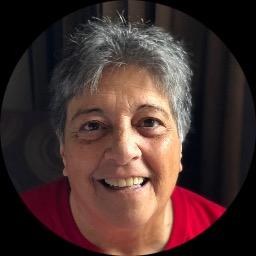
About Linda
Linda Losi is a licensed clinical social worker with more than 35 years of experience. She completed her graduate studies at Barry University and brings a background as a retired registered nurse to her counseling work. Linda aims to make therapy feel less intimidating and more like a practical conversation aimed at change.
She uses straightforward, collaborative work with people who come in feeling stressed, anxious, overwhelmed by grief, or struggling with addiction or mood concerns.
Background and approach
Sessions focus on real-life steps. Linda encourages actions you can try between meetings and checks progress together. Her past roles in nursing and long clinical experience shape a calm, matter-of-fact style.
She draws on approaches that center the person, and on methods that help shift unhelpful thinking and build coping skills. She also brings techniques that address deeper meaning and life direction when that fits the need.
Linda works with a wide range of concerns including relationship and intimacy issues, parenting strain, career stress, eating and body image struggles, ADHD, compassion fatigue, and complicated grief. She also helps people facing personality-related patterns, shame and guilt, communication problems, and commitment worries. Clients will find a practitioner who values honesty, practical steps, and a warm, nonjudgmental stance.
She asks for commitment to the work and partners with people to find useful changes that fit their lives.
Therapeutic approaches and how they work online
Client-Centered Therapy emphasizes listening and responding to the person in front of the therapist. It focuses on understanding feelings and building self-directed insight, which can help with low self-esteem, relationship stress, and life transitions. Cognitive Behavioral Therapy, or CBT, looks at the thoughts and behaviors that keep problems going and teaches concrete skills to change them. It is useful for anxiety, depression, and coping with difficult situations. Dialectical Behavior Therapy, DBT, combines acceptance and change strategies and teaches skills like emotion regulation, distress tolerance, and clearer communication. DBT can help with strong emotions, impulsive behaviors, and relationship patterns.Finding the right approach is part of the work. The therapist will discuss goals, try methods that match those goals, and adjust the plan together. This collaborative process helps identify which techniques feel useful and which need change over time.
Online sessions are offered by video calls, phone sessions, live chat, or text-based messaging to make therapy more flexible. Video sessions allow face-to-face conversation and nonverbal cues. Phone sessions use less bandwidth and can be easier on busy days. Live chat and text sessions make short check-ins and skill practice possible between meetings. These options let people fit therapy into work, caregiving, and other routines while keeping focus on practical progress.
Frequently asked questions
What kinds of concerns does she address?
How would you describe her therapeutic style?
What is her professional background?
What are her credentials and where is she located?
Can sessions be conducted in other languages or for international clients?
Which session formats are available?
How are fees and billing handled?
What should I do to begin sessions?
Specialties and expertise
Top specialties
Also works with
- ADHD
- Anger management
- Antisocial personality
- Bipolar disorder
- Career difficulties
- Coaching
- Codependency
- Commitment issues
- Communication problems
- Compassion fatigue
- Coping with life changes
- Depression
- Eating disorders
- Family conflicts
- Grief
- Guilt and shame
- Intimacy-related issues
- Parenting issues
- Personality disorders
- Post-traumatic stress
- Relationship issues
- Self esteem
- Self-love
- Trauma and abuse
Therapeutic approaches
- Experience
- 35 years
- Licensed
- Florida
- Languages
- English