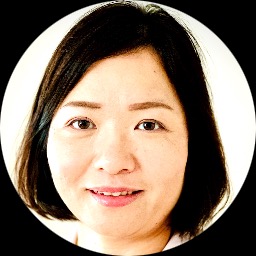
About Yoko
Yoko Farmer is a licensed clinical social worker with 18 years of experience in New York. She helps people notice what they are feeling and find practical ways to move forward. Sessions are offered in English and Japanese, and she offers several online formats to fit different needs.
Yoko listens for the meaning behind painful feelings rather than covering them up. She encourages clients to understand patterns that keep them stuck.
Background and approach
Then she helps people learn new skills to manage day-to-day stress and difficult emotions. Her work addresses common concerns like anxiety, low mood, self-esteem struggles, and relationship stress. She also supports people facing life changes, caregiving strain, aging-related concerns, obsessive thoughts, panic, and cultural or family-of-origin issues.
In sessions, Yoko uses a mix of looking at what happened in the past and teaching practical tools for today. This combination aims to clarify why patterns repeat and to reduce their hold on daily life. Conversations are straightforward and focused on small, achievable changes.
She asks clients to notice how old habits show up now, and then practices alternative responses together. Over time the goal is less reactivity and more choice about how to respond to stress. Yoko helps people find steady, manageable steps toward feeling better.
Approaches that combine insight and practical skills
Yoko uses evidence-based techniques that include combining attention to past patterns with practical tools for the present. One approach focuses on understanding early relationship and attachment patterns to see how they show up now; this helps people notice repeated reactions and where they come from. Another approach emphasizes skill-building - learning breathing, grounding, and behavioral strategies to reduce anxiety, manage panic, and handle everyday stressors. These techniques aim to give clear actions someone can use between sessions to feel steadier.Finding the right mix of approaches is a collaborative process. The therapist will talk with each person about their goals, history, and what feels most helpful. Together they adjust the focus over time so the work matches changing needs and preferences rather than following a fixed plan.
Online therapy supports several practical benefits. Video calls let people work face-to-face from different places and allow visual cues during conversation. Phone sessions can be shorter check-ins or useful when bandwidth is limited. Live chat and text-based messaging make it easier to have brief updates or to get support between meetings. These options add flexibility so therapy can fit into busy days and varying schedules.
Frequently asked questions
What concerns does she help with?
What is her therapeutic style like?
How much experience does she have?
Where is she licensed and based?
Which languages are supported?
What session formats are offered?
How are costs handled?
How do I begin working together?
Specialties and expertise
Top specialties
- Stress, Anxiety
- Relationship issues
- Self esteem
Also works with
- Abandonment
- Aging and geriatric issues
- Attachment issues
- Caregiver issues and stress
- Commitment issues
- Control issues
- Coping with life changes
- Dependent personality
- Depression
- Family of origin issues
- Family problems
- Guilt and shame
- Isolation / loneliness
- Mood disorders
- Multicultural concerns
- Obsessions, compulsions, and OCD
- Panic disorder and panic attacks
- Prejudice and discrimination
- Social anxiety and phobia
- Somatization
- Workplace issues
- Young adult issues
- Experience
- 18 years
- Licensed
- New York
- Languages
- English, Japanese