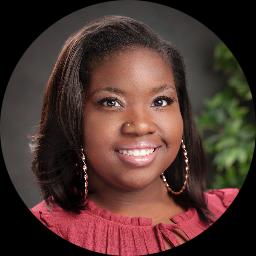
About Whitney
Whitney McDonald is a Licensed Clinical Social Worker who supports people facing stress, anxiety, relationship struggles, trauma and low self-esteem. She practices from North Carolina and brings three years of clinical experience to conversations about coping and change. Whitney speaks English and aims to make sessions direct and useful for day-to-day life.
Her approach centers on practical steps you can try between meetings. She helps people identify what is getting in the way, test small changes, and build new habits that fit their life.
Background and approach
Sessions focus on skills for handling strong emotions and breaking unhelpful patterns. Whitney works with adults on a wide range of concerns including life transitions, grief, guilt and shame, and issues around intimacy and sexual expression such as BDSM and kink. She also supports people dealing with communication problems, codependency, jealousy, and the emotional impacts of divorce or domestic violence.
She uses evidence-based therapeutic techniques and tailors them to each person’s needs. Meetings are collaborative and goal-oriented, with attention to strengths and practical coping tools. Whitney aims to make therapy feel doable rather than overwhelming.
People who prefer straightforward, skills-focused sessions may find her style a good fit. She offers video, phone, live chat, and text-based messaging to adapt to different schedules and preferences. To begin, prospective clients follow a short matching questionnaire and schedule a time that works for them.
Evidence-based approaches and flexible online care
Whitney uses evidence-based therapeutic techniques that aim to change patterns of thinking and behavior. Cognitive-behavioral methods focus on identifying unhelpful thoughts and testing new ways of responding; this can help with anxiety, stress, and managing upsetting memories. A trauma-informed approach centers on safety and pacing, helping people regain a sense of control after traumatic events.Finding the right approach is a collaborative process. The therapist will talk with each person about goals, preferences, and what has or hasn’t worked before. Together they decide which strategies to try and adjust them as progress is made.
Online therapy offers several practical benefits. Video calls let people see facial cues and have deeper conversations when time allows. Phone sessions work when bandwidth is limited or when a camera-free option is preferred. Live chat and text-based messaging are useful for brief check-ins, skill practice, or quick support between longer sessions. These formats make it easier to fit therapy into busy schedules and to continue work on goals without traveling.
Frequently asked questions
What concerns does Whitney commonly address?
How would you describe the therapy style here?
What is Whitney's clinical background?
What credentials and location are listed for this clinician?
Are sessions offered in other languages or to international clients?
What session formats are available?
How does cost and billing work?
How do I begin working with this therapist?
Specialties and expertise
Top specialties
- Stress, Anxiety
- Relationship issues
- Trauma and abuse
Also works with
- Aging and geriatric issues
- BDSM, kink, and alternative sex culture
- Codependency
- Communication problems
- Control issues
- Coping with life changes
- Dependent personality
- Divorce and separation
- Domestic violence
- Family problems
- Forgiveness
- Guilt and shame
- Isolation / loneliness
- Jealousy
- Life purpose
- Men's issues
- Narcissism
- Panic disorder and panic attacks
- Personality disorders
- Post-traumatic stress
- Postpartum depression
- Self esteem
- Self-harm
- Self-love
- Social anxiety and phobia
- Women's issues
- Young adult issues
- Experience
- 3 years
- Licensed
- North Carolina
- Languages
- English