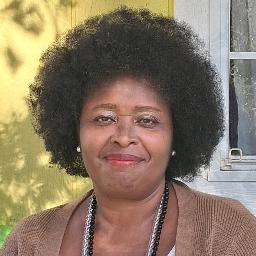
About Ursula
Ursula Rice is a Licensed Clinical Social Worker who helps adults facing stress, anxiety, depression, and life transitions. She speaks plainly and meets people where they are, helping them find concrete coping strategies. Ursula draws on more than two decades of experience in clinical settings across Texas.
She has practiced since 1997 in hospitals, schools, long-term care facilities, independent practice, and telehealth programs. Those roles shaped a practical view of how physical health and emotions connect.
Background and approach
She uses that view to help people manage chronic illness, caregiving strain, and changes that come with aging. Ursula focuses on issues like trauma and abuse, relationship struggles, parenting concerns, grief, anger, and intimacy-related challenges. She also supports people working through ADHD, bipolar mood concerns, and self-esteem problems.
Her approach emphasizes small, usable steps rather than abstract theory. Her sessions tend to be warm and collaborative. She often uses cognitive ways of looking at thoughts and behaviors, solution-focused methods to set goals, and strengths-based ideas to build confidence.
The work aims to reduce distress and increase practical skills for daily life. People who choose her can expect straightforward communication and a steady emphasis on what helps right now. She combines lived clinical experience with clear tools that can be used between sessions.
Ursula practices in Texas and works by video, phone, chat, or messaging.
How evidence-based approaches translate to online care
Ursula commonly uses cognitive behavioral ideas to help people spot and change unhelpful thoughts and behaviors; this can reduce anxiety, manage depressive patterns, and improve daily routines. She also uses solution-focused techniques that help clients set clear, practical goals and try small experiments between sessions to see what works.Finding the right approach is a collaborative process. Ursula will listen to your goals and concerns and suggest methods that match your situation. Together you can try different techniques and adjust the plan based on what helps most.
Online therapy offers different ways to fit mental health care into busy lives. Video calls let you work face to face when a longer conversation is needed. Phone sessions can be simpler when bandwidth or camera use is an issue. Live chat and text messaging are useful for short check-ins, brief problem-solving, or when you prefer written reflection. These options make it easier to keep regular contact and practice skills between sessions.
Frequently asked questions
What concerns does she commonly address?
What is her general approach to therapy?
How much clinical experience does she have?
What are her credentials and where does she practice?
Which languages are supported for sessions?
In what formats are sessions offered?
How does payment and cost work?
What are the steps to begin therapy?
Specialties and expertise
Top specialties
- Family conflicts
- Trauma and abuse
- Parenting issues
Also works with
- Abandonment
- ADHD
- Aging and geriatric issues
- Anger management
- Attachment issues
- Bipolar disorder
- Blended family issues
- Caregiver issues and stress
- Chronic pain, illness, and disability
- Codependency
- Commitment issues
- Communication problems
- Control issues
- Coping with life changes
- Dependent personality
- Depression
- Divorce and separation
- Emptiness
- Family of origin issues
- Family problems
- Forgiveness
- Grief
- Guilt and shame
- Hospice and end-of-life counseling
- Impulsivity
- Intimacy-related issues
- Isolation / loneliness
- Jealousy
- Mood disorders
- Multicultural concerns
- Panic disorder and panic attacks
- Post-traumatic stress
- Postpartum depression
- Pregnancy and childbirth
- Prejudice and discrimination
- Relationship issues
- Self esteem
- Self-love
- Social anxiety and phobia
- Stress, Anxiety
- Women's issues
- Workplace issues
- Young adult issues
- Experience
- 23 years
- Licensed
- Texas
- Languages
- English