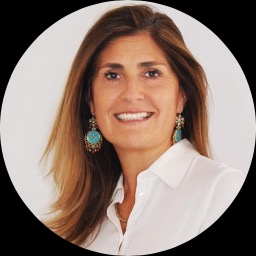
About Susana
Susana Mejia-Vargas is a bilingual clinician who works in Florida and offers care in English and Spanish. She holds a Licensed Clinical Social Worker credential and focuses on helping people who carry the effects of unresolved trauma. Susana speaks plainly and aims to make therapy approachable for people feeling overwhelmed by anxiety, stress, or grief.
She listens first to understand how traumatic events show up in day-to-day life. Then she and the person agree on practical steps to reduce distress and build coping skills.
Background and approach
Sessions often focus on managing anxiety, improving sleep and irritability, and making sense of painful memories. Susana uses evidence-based therapeutic techniques to guide work on attachment, identity concerns, and family-related stress. Her background includes experience with adoption and foster care topics, grief and loss, and relationship and communication problems that follow from trauma.
Therapy with her includes skill practice, talking through difficult moments, and planning small changes that fit each person’s life. She pays attention to how feelings show up in the body and links that to patterns of thought and behavior. Susana emphasizes clear, practical strategies alongside emotional processing.
People can expect an open, respectful approach that values their knowledge about themselves. She makes clinical judgments when needed, while inviting collaboration on goals and pace. For many, the work includes building resilience, strengthening support, and reconnecting with a sense of purpose.
How evidence-based approaches work online
Susana uses evidence-based therapeutic techniques to guide recovery from trauma and related concerns. Cognitive approaches focus on identifying unhelpful thoughts and testing new ways of thinking to reduce anxiety and worry. Narrative-style work helps people tell and reframe their story so painful experiences feel less overwhelming and identity issues become clearer.Finding the right approach is a shared process. The therapist will ask about goals, symptoms, and what feels most comfortable, then suggest a plan to try together. That plan can be adjusted over time based on what feels helpful and what does not.
Online sessions give practical flexibility. Video calls let the therapist and client work face to face when visual cues help progress. Phone sessions can be easier when bandwidth is limited or a shorter check-in fits a busy day. Live chat and text-based messaging support ongoing reflection between sessions and quick access to coping strategies when needed. These options let people fit therapy into work, caregiving, or other routines while still working with licensed professionals.
Frequently asked questions
What concerns does she help people with?
What is her therapeutic style like?
How much clinical experience does she have?
What are her credentials and where is she located?
Which languages are offered in sessions?
What session formats are available?
How are sessions priced?
How do I begin working with her?
Specialties and expertise
Top specialties
- Stress, Anxiety
- Family conflicts
- Trauma and abuse
Also works with
- Abandonment
- Adoption and foster care
- Attachment issues
- Blended family issues
- Body image
- Caregiver issues and stress
- Commitment issues
- Communication problems
- Control issues
- Dependent personality
- Divorce and separation
- Domestic violence
- Emptiness
- Family problems
- Forgiveness
- Grief
- Guilt and shame
- Impulsivity
- Infidelity
- Isolation / loneliness
- Jealousy
- Life purpose
- Midlife crisis
- Money and financial issues
- Mood disorders
- Panic disorder and panic attacks
- Pregnancy and childbirth
- Self esteem
- Self-love
- Social anxiety and phobia
- Somatization
- Women's issues
- Workplace issues
- Young adult issues
- Experience
- 4 years
- Licensed
- Florida
- Languages
- English, Spanish