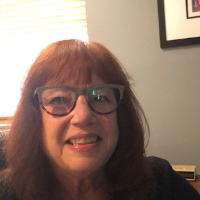
About Susan
Susan Banco is a Licensed Clinical Social Worker who practices in New York. She brings three decades of experience in community settings, schools, and day programs. Susan aims to create a warm, conversational space where people can talk through problems and figure out practical next steps.
She combines several practical approaches to help people build useful skills. Sessions often focus on clear goals like managing anxiety, handling life changes, or improving relationships.
Background and approach
She also offers coaching around career challenges and substance use concerns. Susan has worked with individuals and groups, and has experience training other social workers. That background informs a straightforward style that emphasizes tools people can use between sessions.
She helps people weigh options and choose what fits their life. When relationships and parenting are at the center, sessions focus on communication, boundaries, and problem solving. For those facing grief, transition, or identity questions she helps clarify values and next steps.
Eating, intimacy-related issues, anger, and feelings of emptiness are also areas she addresses with practical strategies. Susan offers flexible formats to fit busy schedules, including video calls, phone sessions, live chat, and text-based messaging. Her approach is collaborative: she listens, helps set goals, and works with clients to track progress over time.
Therapeutic Approaches and Online Support
Client-Centered Therapy focuses on creating an empathetic space where the person leads the conversation. The therapist listens closely and follows the client’s pace to help clarify values and priorities. Cognitive Behavioral Therapy, or CBT, looks at unhelpful thoughts and behaviors and teaches concrete skills to change them; it often helps with anxiety, depression, and anger. Motivational Interviewing helps people resolve mixed feelings and find internal motivation for change, which can be useful for addictions or behavior shifts.Finding the right approach is part of the process. The therapist and client work together to decide which methods fit best based on goals, needs, and comfort. Techniques can be adjusted over time so sessions stay relevant and useful.
Online therapy offers flexibility for busy lives. Video calls allow face-to-face conversation when visual cues matter. Phone sessions can be useful when bandwidth is limited or a shorter check-in fits better. Live chat and text-based messaging make it easier to share thoughts between sessions or to schedule brief support during the day. These options help people keep therapy going even with work, family, or travel commitments.
Frequently asked questions
What concerns does she address?
How would you describe her therapy style?
What experience does she bring?
What are her credentials and location?
Which languages are supported?
What session formats are available?
How is cost handled?
How do I begin working with her?
Specialties and expertise
Top specialties
- Stress, Anxiety
- Relationship issues
- Parenting issues
Also works with
- Addictions
- Anger management
- Avoidant personality
- Blended family issues
- Career difficulties
- Coaching
- Commitment issues
- Communication problems
- Control issues
- Coping with life changes
- Depression
- Divorce and separation
- Eating and food-related issues
- Eating disorders
- Emptiness
- Family conflicts
- Fatherhood issues
- Forgiveness
- Grief
- Guilt and shame
- Infidelity
- Intimacy-related issues
- Isolation / loneliness
- Jealousy
- Life purpose
- Midlife crisis
- Post-traumatic stress
- Self esteem
- Self-harm
- Sexual assault and abuse
- Social anxiety and phobia
- Somatization
- Trauma and abuse
- Women's issues
- Workplace issues
- Young adult issues
Therapeutic approaches
- Experience
- 30 years
- Licensed
- New York
- Languages
- English