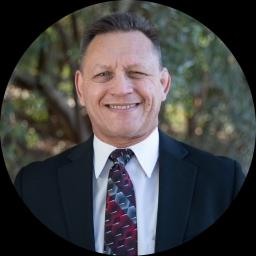
About Stephen
Stephen Chop is a licensed clinician based in Maryland with 30 years of experience. He helps people who are dealing with stress, anxiety, depression, anger, relationship troubles, parenting strain, addiction concerns, grief, trauma and mood challenges. He also supports those facing career stress, low self-esteem, ADHD, and the emotional fallout of life changes.
Stephen uses clear, practical methods in sessions. He listens first, then helps people set small, concrete goals.
Background and approach
Sessions often include skills practice, problem-solving, and talking through painful memories at a pace that feels manageable. His background includes both medical and social work training, listed as MD and Licensed Certified Social Worker in Maryland. That combination informs a rounded view of emotional and behavioral health and how life stress affects bodies and minds.
Typical sessions focus on what feels most urgent. He helps people build coping strategies for panic, manage mood swings, and repair strained relationships. He works with adults and young adults who want straightforward tools and clear next steps.
Over three decades Stephen has worked with a wide range of concerns from first responder stress to adoption and fatherhood issues. He blends approaches like cognitive behavioral techniques and emotion-focused work to match the person in front of him. The goal is steady progress, more self-compassion, and better daily functioning.
How specific approaches work in online sessions
Acceptance and Commitment Therapy, or ACT, focuses on clarifying personal values and taking small steps toward them while learning to accept difficult thoughts and feelings. It can help with anxiety, low mood, and decisions about career or relationships.Cognitive Behavioral Therapy, or CBT, teaches practical techniques to change unhelpful thinking and behavior patterns. It is useful for panic, social anxiety, depression, and managing day-to-day stress by practicing skills between sessions.
Finding the right approach is part of the work. The therapist will talk with each person about goals and preferences, then suggest which methods to try first. That choice is revisited as progress is made so the plan stays useful and realistic.
Online therapy offers flexible ways to meet. Video calls allow face-to-face discussion and exercises. Phone sessions are a good option when bandwidth is limited or a shorter check-in is needed. Live chat and text messaging work well for people who prefer short, frequent check-ins or written reflection between sessions.
Frequently asked questions
What types of problems does he help with?
What is his therapy style like?
How much clinical experience does he bring?
What credentials and region are listed?
Can I work with him if I live outside the U.S.?
Which session formats are available?
How are costs handled?
What are the first steps to begin?
Specialties and expertise
Top specialties
- Stress, Anxiety
- Anger management
- Self esteem
Also works with
- Abandonment
- Addictions
- ADHD
- Adoption and foster care
- Antisocial personality
- Attachment issues
- Bipolar disorder
- Body image
- Career difficulties
- Caregiver issues and stress
- Coaching
- Compassion fatigue
- Control issues
- Coping with life changes
- Depression
- Disruptive Mood Dysregulation Disorder (DMDD)
- Domestic violence
- Eating and food-related issues
- Emptiness
- Family conflicts
- Family problems
- Fatherhood issues
- First responder issues
- Forgiveness
- Grief
- Impulsivity
- Intellectual disability
- Isolation / loneliness
- Life purpose
- Men's issues
- Midlife crisis
- Mood disorders
- Narcissism
- Obsessions, compulsions, and OCD
- Panic disorder and panic attacks
- Parenting issues
- Personality disorders
- Phobias
- Post-traumatic stress
- Relationship issues
- Seasonal Affective Disorder (SAD)
- Self-harm
- Self-love
- Sexual assault and abuse
- Social anxiety and phobia
- Trauma and abuse
- Veteran and Armed Forces Issues
- Workplace issues
- Young adult issues
Therapeutic approaches
- Experience
- 30 years
- Licensed
- Maryland, Virginia, Pennsylvania
- Languages
- English