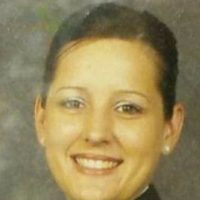
About Stephanie
Stephanie Silva is a licensed clinical social worker with 14 years of experience. She helps people dealing with stress, anxiety, depression, relationship and intimacy concerns, grief, parenting strain, and work or career transitions. Stephanie listens without judgment and focuses on short, practical steps people can try between sessions.
She uses everyday language and clear goals when working with clients. Sessions often include learning new coping skills, looking at unhelpful thoughts, and practicing ways to stay calm under pressure.
Background and approach
She tailors plans to each person rather than using the same approach for everyone. Her background includes work in emergency settings and roles supporting people after traumatic events. That experience shaped how she responds to crisis and grief, and how she coordinates with other supports when needed.
Stephanie has also worked with people facing relationship conflict, caregiving stress, and complex family history. Therapeutic approaches she commonly draws on include acceptance and commitment ideas, cognitive-behavioral techniques, and dialectical skills to manage strong emotions. She also values a client-centered stance that keeps the person’s goals front and center.
These methods are mixed to fit what a person needs that week or month. Stephanie practices in Florida and works with people from diverse backgrounds, including those with concerns about sexuality, identity, and multicultural stress. She conducts sessions in English and can meet with international clients.
For many people she aims to make therapy practical, steady, and focused on real-life changes.
How therapy approaches translate to online care
Acceptance and Commitment Therapy, or ACT, helps people notice difficult thoughts and choose actions that match their values. It is useful for stress, anxiety, and life changes when someone wants clearer direction. Cognitive Behavioral Therapy, or CBT, focuses on identifying unhelpful thinking and testing small behavioral changes to reduce distress and improve day-to-day functioning. It often helps with depression, anxiety, and coping skills.Finding the right approach is a team effort. The therapist will listen to a person’s goals and try methods that fit those needs. If one way does not help, she will adjust the plan and try other techniques until the client finds what works best.
Online sessions can fit into busy lives. Video calls let people use visual cues and role-play skills. Phone sessions work when bandwidth is low or when someone prefers not to be on camera. Live chat and text-based messaging are useful for quick check-ins, brief coaching, or keeping momentum between longer appointments. These options make it easier to schedule consistent work on goals across different routines and time zones.
Frequently asked questions
What problems does she help with?
What is her therapeutic style like?
What relevant background does she bring?
What credentials and location are listed?
Which languages are supported for sessions?
How can sessions be delivered?
How is cost handled?
What are the first steps to begin?
Specialties and expertise
Top specialties
- Stress, Anxiety
- Relationship issues
- Family conflicts
Also works with
- ADHD
- Aging and geriatric issues
- Anger management
- BDSM, kink, and alternative sex culture
- Blended family issues
- Career difficulties
- Caregiver issues and stress
- Coaching
- Communication problems
- Coping with life changes
- Depression
- Divorce and separation
- Domestic violence
- Family of origin issues
- Family problems
- Grief
- Hospice and end-of-life counseling
- Intimacy-related issues
- LGBT
- Money and financial issues
- Multicultural concerns
- Parenting issues
- Prejudice and discrimination
- Self esteem
- Sexuality
- Trauma and abuse
- Traumatic brain injury
- Veteran and Armed Forces Issues
- Women's issues
- Workplace issues
- Young adult issues
Therapeutic approaches
- Experience
- 14 years
- Licensed
- North Carolina, Florida
- Languages
- English