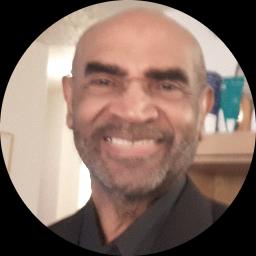
About Stalburn
Stalburn VanSluytman uses a psychodynamic perspective alongside practical, evidence-informed methods to help people move through difficult emotions and life changes. He is a Licensed Clinical Social Worker with four decades of experience and a long history of work in community and institutional settings in Florida and beyond.
He began studying social and individual behavior as an undergraduate at Howard University in the late 1960s. Early volunteer work at non-profit agencies led to case management and substance abuse counseling roles in New York City.
Background and approach
Those experiences prompted graduate study in clinical social work at Adelphi University. Over his career he has worked in community agencies, run an independent practice, and spent the final ten years before retirement as a mental health therapist for the Florida Department of Corrections.
He has led trainings and supervised masters-level therapists in cognitive behavioral approaches and has presented on emotional disorders in schools and churches. Since retiring from full-time work in 2014 he has done part-time quality-control work for a community mental health center and volunteered with Big Brothers Big Sisters, a hospice center, and the American Cancer Society.
Much of that volunteer activity has been paused since the COVID pandemic. Sessions focus on clear goals and practical steps. People often seek him out for stress, anxiety, addiction concerns, grief, relationship difficulties, parenting strain, mood disorders, and coping with major life transitions.
He works with adults to identify patterns, learn coping tools, and build realistic plans for change.
Approach and Online Support to Guide Change
Stalburn combines psychodynamic ideas with Cognitive Behavioral Therapy to address what brings people into sessions and what can be changed day to day. Psychodynamic work looks at recurring patterns and personal history to make current problems easier to understand. CBT focuses on specific thoughts and behaviors and teaches practical tools for managing anxiety, mood, and addictive urges.Finding the right mix of approaches is part of the process. The therapist works collaboratively with each person to clarify goals, try methods, and adjust the plan based on what helps. That means tracking progress and shifting strategies when needed so treatment matches the individual’s needs and preferences.
Online formats include video calls, phone sessions, live chat, and text-based messaging to provide flexibility. Video allows face-to-face conversation and visual cues. Phone can be easier when bandwidth is limited or a quick check-in is needed. Live chat and text messaging let people send short updates or ask questions between sessions and can fit into busy days. These options make it simpler to keep therapy consistent around work, caregiving, or travel while still focusing on meaningful change.
Frequently asked questions
What concerns does this therapist address?
What style of therapy does he use?
How much experience does he have?
Where is this therapist based and what are his credentials?
Which languages are supported for sessions?
What formats are available for online work?
How does billing and cost work?
How do I begin a therapy match?
Specialties and expertise
Top specialties
- Stress, Anxiety
- Addictions
- Anger management
Also works with
- ADHD
- Aging and geriatric issues
- Bipolar disorder
- Cancer
- Caregiver issues and stress
- Codependency
- Coping with life changes
- Depression
- Divorce and separation
- Drug and alcohol addiction
- Eating and food-related issues
- Eating disorders
- Family conflicts
- Fatherhood issues
- Grief
- Guilt and shame
- Isolation / loneliness
- LGBT
- Men's issues
- Midlife crisis
- Mood disorders
- Multicultural concerns
- Panic disorder and panic attacks
- Parenting issues
- Phobias
- Post-traumatic stress
- Prejudice and discrimination
- Relationship issues
- Self esteem
- Social anxiety and phobia
- Trauma and abuse
Therapeutic approaches
- Experience
- 40 years
- Licensed
- Florida
- Languages
- English