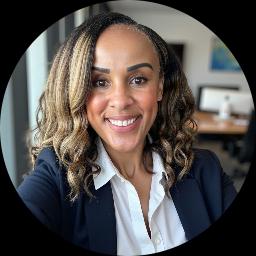
About Sonya
Dr. Sonya Boone is a licensed clinical social worker with 16 years of experience based in Hawaii. She brings a life spent studying behavioral health and social work to everyday therapy.
People come to her for help with stress, anxiety, trauma, depression, and relationship or career concerns. She offers down-to-earth guidance and a steady presence during hard moments. She holds a Doctorate in Behavioral Health and multiple graduate degrees that include social work and health service administration.
Background and approach
Those studies shape how she listens and how she builds practical plans with clients. The focus is on clear steps and small changes rather than jargon-filled explanations. Her approach centers on each person’s story.
She uses proven methods such as acceptance and commitment work, cognitive behavioral ideas, and mindfulness to address thoughts, feelings, and behaviors. Sessions aim to build skills for handling stress, improving communication, and coping with life changes. Dr.
Boone pays attention to cultural context and to how daily life affects mental health. She helps people untangle family and relationship patterns, deal with grief, and manage challenges like ADHD, chronic illness, or burnout. The tone is collaborative: she listens, offers options, and supports clients as they try new strategies.
Practical tools, emotional validation, and goal-focused plans are common parts of her work. She supports people through transitions and complex emotions, helping them create routines and habits that fit real life.
Therapeutic approaches and online care that fit your life
Acceptance and Commitment Therapy, often called ACT, focuses on helping people notice unhelpful thoughts and commit to actions that match their values. It can help when worry or avoidance gets in the way of living a meaningful life.Cognitive Behavioral Therapy, or CBT, looks at the link between thoughts, feelings, and actions. It teaches practical skills to reduce anxiety, lift mood, and change patterns that cause problems.
Finding the right approach is part of the work together. The therapist will talk with each person about goals, preferences, and what feels most useful. Decisions about techniques are made collaboratively and can change as needs shift.
Online sessions make regular work easier to keep up. Video calls let people have fuller conversations and see nonverbal cues. Phone sessions can be useful when bandwidth is limited or a simpler check-in is needed. Live chat and text-based messaging allow brief check-ins, homework support, and flexible contact between longer sessions. These options help fit therapy into busy schedules, travel, or different time zones and support ongoing progress without forcing big routine changes.
Frequently asked questions
What kinds of concerns does she address?
What is her therapy style like?
How much experience does she have?
What are her credentials and where is she based?
Can I work with her if I live outside the U.S.?
Which session formats are available?
How does payment and cost work?
What do I do to start working together?
Specialties and expertise
Top specialties
- Stress, Anxiety
- Family conflicts
- Trauma and abuse
Also works with
- Abandonment
- ADHD
- Anger management
- Attachment issues
- Autism and Asperger Syndrome
- Avoidant personality
- Bipolar disorder
- Blended family issues
- Career difficulties
- Chronic pain, illness, and disability
- Co-morbidity
- Coaching
- Communication problems
- Compassion fatigue
- Control issues
- Coping with life changes
- Coping with natural or human-caused disaster
- Depression
- Divorce and separation
- Emptiness
- Family problems
- First responder issues
- Forgiveness
- Grief
- Guilt and shame
- Immigration issues
- Impulsivity
- Intimacy-related issues
- Isolation / loneliness
- Life purpose
- Midlife crisis
- Money and financial issues
- Mood disorders
- Multicultural concerns
- Obsessions, compulsions, and OCD
- Parenting issues
- Personality disorders
- Post-traumatic stress
- Prejudice and discrimination
- Relationship issues
- Seasonal Affective Disorder (SAD)
- Self esteem
- Self-harm
- Sexual assault and abuse
- Somatization
- Veteran and Armed Forces Issues
- Women's issues
- Workplace issues
- Young adult issues
Therapeutic approaches
- Experience
- 16 years
- Licensed
- Virginia, Texas, Hawaii, New Jersey, Utah, Arizona, Nevada, Oregon
- Languages
- English