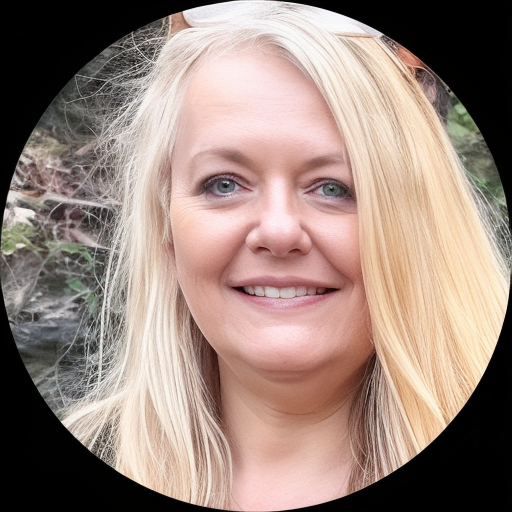
About Roxanna
Roxanna Tipton is a licensed clinical social worker who helps people facing relationship strain, family conflict, trauma and abuse, anger, and low self-esteem. She writes plainly and listens carefully to what matters most. Roxanna aims to make steps feel manageable rather than overwhelming.
Roxanna draws on practical approaches to help people sort out hurt and move forward. She uses methods that focus on present problems and on changing patterns that keep people stuck.
Background and approach
Sessions are collaborative and paced to match each person’s needs. She has 13 years of experience working with concerns such as blended family issues, commitment problems, communication breakdowns, and control issues. Roxanna also supports people coping after disasters, separation, domestic violence, and infidelity.
She helps with feelings of emptiness, guilt, shame, isolation, and jealousy. In sessions she blends client-centered listening with tools from cognitive behavioral and solution-focused work. She also uses trauma-focused strategies and elements of the Gottman Method when relationship work is needed.
The goal is to build clearer choices and practical skills. Roxanna holds a Licensed Clinical Social Worker credential - LCSW - and practices in Oklahoma. She emphasizes respectful collaboration and simple, concrete steps people can use between sessions.
Her style is steady, direct, and warm. People can expect a straightforward, goal-minded approach that still makes room for their emotions. Roxanna aims to help clients find next steps that fit their lives and values.
How therapeutic approaches translate to online care
Client-Centered Therapy focuses on listening and reflecting what matters most to the person. It helps clients feel heard and decide on goals that match their values. Cognitive Behavioral Therapy, or CBT, looks at how thoughts and behaviors influence feelings and teaches concrete skills for managing anger, anxiety, and low self-esteem. The Gottman Method brings practical tools for improving communication and repairing trust in close relationships.Choosing the best approach is part of the work together. The therapist will discuss goals, try approaches that fit the situation, and adjust based on what helps. This collaborative process helps people find methods that feel useful and realistic for their life.
Online sessions offer several practical benefits for this work. Video calls let therapists and clients read tone and body language while meeting from different places. Phone sessions can be a simpler option when bandwidth is limited or when someone prefers not to use video. Live chat and text-based messaging make it easy to check in between sessions, share short updates, or use brief coaching during a busy day. These options make therapy more flexible and easier to fit into real schedules.
Frequently asked questions
What kinds of problems does she help with?
How would you describe her therapy style?
How much clinical experience does she have?
What are her credentials and where is she based?
Can I work with her if I live outside the United States?
What formats are used for sessions?
How are payments and costs handled?
What should I do to begin working together?
Specialties and expertise
Top specialties
- Relationship issues
- Family conflicts
- Trauma and abuse
Also works with
- Anger management
- Blended family issues
- Commitment issues
- Communication problems
- Control issues
- Coping with natural or human-caused disaster
- Divorce and separation
- Domestic violence
- Emptiness
- Family of origin issues
- Family problems
- Forgiveness
- Guilt and shame
- Infidelity
- Isolation / loneliness
- Jealousy
- Life purpose
- Midlife crisis
- Post-traumatic stress
- Self esteem
- Self-harm
- Self-love
- Sexual assault and abuse
- Veteran and Armed Forces Issues
- Women's issues
- Workplace issues
- Young adult issues
Therapeutic approaches
- Experience
- 13 years
- Licensed
- Oklahoma
- Languages
- English