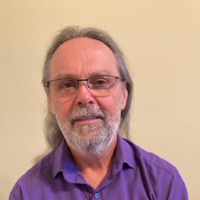
About Robert
Robert Bronson is a Licensed Clinical Social Worker with nineteen years of clinical experience. He offers straightforward, practical support for people facing anxiety, depression, trauma, and stress. He speaks plainly and listens closely to each person’s story before suggesting a path forward.
Robert uses a client-centered style that focuses on each person’s goals and values. He blends cognitive behavioral ideas with mindfulness and acceptance strategies to help people manage difficult thoughts and feelings.
Background and approach
Sessions often involve learning simple skills to reduce symptoms and to respond differently to stressors. He commonly helps people dealing with grief, anger, sleep trouble, addictions, and relationship concerns. He also supports those facing life changes, compassion fatigue, and mood disorders such as bipolar.
Additional areas of focus include issues tied to aging, first responder stress, veteran and armed forces issues, and hospice and end-of-life concerns. Robert aims to make therapy practical. That can mean short, focused skill-building or longer work on long-standing patterns.
He keeps language plain and uses examples that fit everyday life. Humor and warmth appear when they help move things forward. Sessions are offered in English and take place online through a mix of video, phone, chat, and text-based messaging.
His Arkansas license is AR LCSW 2146-C and he bases his approach on what the person needs in the moment.
Therapeutic approaches brought to online care
Acceptance and Commitment Therapy focuses on identifying what matters most to a person and taking small steps toward those values while accepting uncomfortable feelings. It helps with anxiety, depression, and living through major life changes. Cognitive Behavioral Therapy looks at the link between thoughts, feelings, and actions and teaches practical skills to change patterns that cause distress. It is often helpful for anxiety, mood disorders, and sleep difficulties.Finding the right approach is part of the work. The therapist will talk through goals and preferences and then try methods that fit the person’s needs. That collaborative process means approaches can be adjusted as progress and challenges emerge.
Online sessions offer flexibility and easier access to care. Video calls let visual connection for deeper conversation. Phone sessions work well when bandwidth is limited or a camera feels uncomfortable. Live chat and text-based messaging are useful for brief check-ins, tracking progress, or when written reflection is preferred. These options make it easier to schedule therapy around work, caregiving, or other commitments and to keep continuity when life gets busy.
Frequently asked questions
What concerns does he commonly address?
How would you describe his therapeutic style?
What is his clinical background?
Where is he licensed and based?
Which languages are supported for sessions?
What session formats are available?
How is cost handled for sessions?
How do I begin working with him?
Specialties and expertise
Top specialties
- Stress, Anxiety
- Trauma and abuse
- Sleeping disorders
Also works with
- Addictions
- Aging and geriatric issues
- Anger management
- Antisocial personality
- Bipolar disorder
- Compassion fatigue
- Control issues
- Coping with life changes
- Coping with natural or human-caused disaster
- Depression
- Eating and food-related issues
- Eating disorders
- Family conflicts
- Family of origin issues
- First responder issues
- Grief
- Guilt and shame
- Hospice and end-of-life counseling
- Jealousy
- LGBT
- Life purpose
- Men's issues
- Midlife crisis
- Mood disorders
- Multicultural concerns
- Panic disorder and panic attacks
- Parenting issues
- Personality disorders
- Phobias
- Polyamory / non-monogamous relationships
- Post-traumatic stress
- Prejudice and discrimination
- Relationship issues
- Self esteem
- Social anxiety and phobia
- Veteran and Armed Forces Issues
- Young adult issues
Therapeutic approaches
- Experience
- 19 years
- Licensed
- Arkansas
- Languages
- English