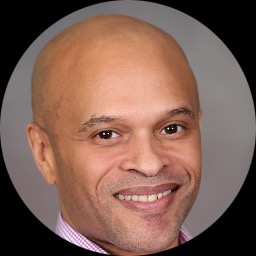
About Ray
Ray Fisher is a licensed clinical social worker in Pennsylvania with 21 years of experience. He focuses on relationship struggles, low self-esteem, career setbacks, depression, and coaching for professionals. Ray aims to make the first step feel manageable for someone who may be nervous about starting therapy.
He works from the view that each person knows their own life best. Sessions build on the client’s strengths while addressing the problems that feel stuck.
Background and approach
Conversations are practical and goal-oriented, with attention to everyday decisions and patterns. Ray has spent two decades helping people with communication problems, divorce and separation concerns, and issues tied to family of origin. He also supports those dealing with guilt, shame, isolation, and questions about life purpose.
Workplace issues and men’s concerns are other common topics he addresses. Veteran and armed forces issues and multicultural challenges, including experiences of prejudice and discrimination, are part of his practice focus. Ray also offers coaching-style support for career transitions and professional confidence.
He uses straightforward language and avoids jargon so people can apply what they talk about right away. Sessions are offered in English and are available through video calls, phone sessions, live chat, or text-based messaging. Ray encourages small first steps and helps clients set realistic goals for the short term and longer term.
Evidence-based techniques adapted for online care
Ray uses evidence-based therapeutic techniques that focus on practical change. One approach emphasizes identifying unhelpful patterns in thinking and behavior and replacing them with clearer, goal-focused actions to reduce depression and build confidence. Another approach centers on improving communication skills by practicing concrete ways to speak up, set boundaries, and repair misunderstandings in everyday relationships.Finding the right approach is a collaborative process. The therapist will work with each person to match methods to their goals and preferences, adjusting the plan as progress and needs become clearer. Clients and the therapist decide together which strategies fit best for the situation.
Online therapy offers flexible ways to meet. Video calls let people keep face-to-face connection when that is helpful. Phone sessions can be a good option when bandwidth is limited or when someone prefers not to be on camera. Live chat and text-based messaging support shorter check-ins, ongoing coaching-style work, or quick problem-solving between longer appointments. These options make it easier to fit therapy into work, caregiving, and travel schedules while keeping focus on practical steps and real-life progress.
Frequently asked questions
What kinds of concerns does this therapist address?
What is the therapist's style in sessions?
How much experience does he have?
Where is the therapist licensed and based?
Which languages are supported for sessions?
What formats are available for therapy sessions?
How does cost and payment work?
How do I begin working with this therapist?
Specialties and expertise
Top specialties
- Relationship issues
- Self esteem
- Career difficulties
Also works with
- Experience
- 21 years
- Licensed
- Pennsylvania
- Languages
- English